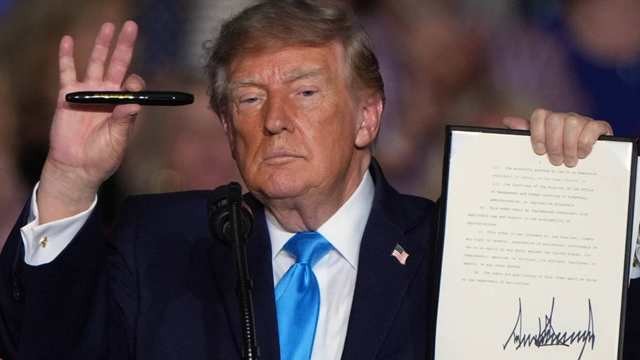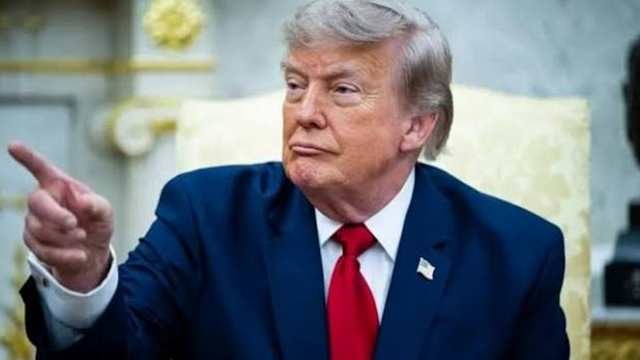


There has been no modern precedent of a U.S. president publicly threatening to remove a Federal Reserve Chair. However, according to Reuters, Donald Trump, after returning to office for a second term, has repeatedly threatened to dismiss Fed Chair Jerome Powell — an unusual development in American political history.
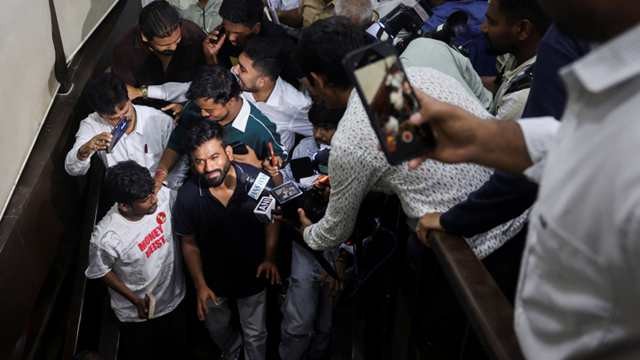
On Wednesday, Dhaka witnessed a similarly rare event. Following protests by a group of central bank officials, Bangladesh Bank Governor Ahsan H. Mansur stepped down. Shortly after his departure, the government issued a notification cancelling his appointment and naming businessman Mostakur Rahman as the new Governor. This marks the first time in the country’s history that a businessman has been appointed as head of the central bank.
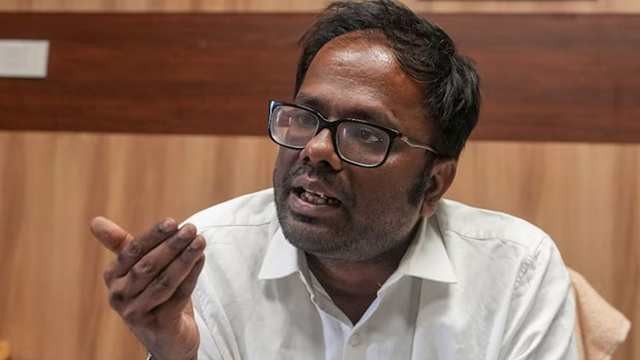
Mansur, an economist and former executive director of the Policy Research Institute (PRI), had been appointed Governor in August 2024 by the interim government. His removal triggered widespread reactions on social media, with many raising concerns about central bank independence and political interference.
About four months ago, Finance Minister Amir Khosru Mahmud Chowdhury had emphasized the importance of granting greater independence to Bangladesh Bank. Speaking at an event organized by PRI in October last year, he stated that the BNP had never made political appointments to Bangladesh Bank or the securities regulator, and argued that the institution should be granted full independence rather than limited autonomy.
However, just eight days after the new government assumed office, the Governor was replaced through what many described as an unusual process — a move the Finance Minister defended as routine. Addressing journalists on Wednesday afternoon, he said the new administration was making changes across various institutions to implement its priorities and policy agenda, adding that such changes may continue if necessary.
The BNP’s election manifesto outlines plans to strengthen Bangladesh Bank’s capacity and oversight authority, stating that the Governor will be appointed by the government and that supervision over banks and financial institutions will be enhanced. At the same time, the manifesto also promises to ensure central bank autonomy and strengthen its supervisory powers to guarantee discipline, transparency, and accountability in the financial sector.
It further pledges to end political interference in banking operations and eliminate familial influence in bank management. However, newly appointed Governor Mostakur Rahman was a member of the BNP’s 41-member central election management committee in the recent national election, raising questions among critics.
The Bangladesh Bank Order, 1972 does not specify qualifications for the Governor but states that the appointment is made by the government. The government may also extend the Governor’s four-year term.
Last October, Bangladesh Bank had sent a draft amendment to the Finance Ministry proposing changes to the Bangladesh Bank Order. Earlier, in September, a draft ordinance titled “Bangladesh Bank (Amendment) Ordinance 2025” proposed elevating the Governor’s status to that of a full cabinet minister and revising the appointment process.
In a letter accompanying the draft, Mansur argued that granting ministerial rank to the Governor would enhance the institutional standing of the central bank and serve as a structural step toward strengthening policy independence, international representation, and financial stability. The proposal, he noted, aligned with the International Monetary Fund’s 2021 Central Bank Independence framework.
However, then Finance Adviser Salehuddin Ahmed reportedly declined to pursue such fundamental legal reforms during the interim government’s final phase, stating that amendments of this nature would be more appropriate under an elected government. Ironically, the newly elected government has now replaced the very Governor who proposed those reforms.
Professor Selim Raihan of the University of Dhaka’s Economics Department expressed concern that the reform momentum initiated under the interim government may now face setbacks. He said the manner in which a professional economist like Mansur was removed and replaced by a businessman and accountant has raised eyebrows and created uncertainty about the country’s economic future.
Raihan warned that instability at the central bank could undermine confidence among depositors and investors. If small and medium-sized entrepreneurs lose faith in the banking sector, he said, the broader economy could suffer. He called on the government to clearly explain the process by which Mansur was removed and the basis for appointing the new Governor.
While protests led to the Governor’s departure in Dhaka, Washington has seen no such public mobilization against the Fed Chair. However, Powell is reportedly facing a criminal investigation over allegations of misleading Congress regarding building renovation matters. He remains in office, with his term set to expire in May. President Trump has nominated economist Kevin Warsh as the next Chair. According to media reports, Warsh’s father-in-law has long been known as a financial supporter of Trump’s political activities.
Observers told Reuters that political influence over central banks can erode their ability to make independent decisions based on economic necessity.
Commenting on the latest appointment in Bangladesh, Professor Raihan said many had hoped the current government would break free from past cycles of politicization. Senior BNP leaders had assured the public that institutions like Bangladesh Bank would operate independently under professional leadership. Instead, he said, recent developments suggest a return to political and vested-interest influence.
He also raised concerns about conflicts of interest, questioning how a person with a history of loan default — or whose institution has been linked to such processes — could credibly take strict action against defaulters.
The sudden leadership change at Bangladesh Bank has therefore reignited debate over central bank independence, political neutrality, and the future direction of Bangladesh’s financial governance.