১০ আশ্বিন ১৪৩৩



Bangladesh’s New Government Faces Post-Eid Challenges Amid Global Energy Crisis
22 March 2026 06:03 AM
NEWS DESK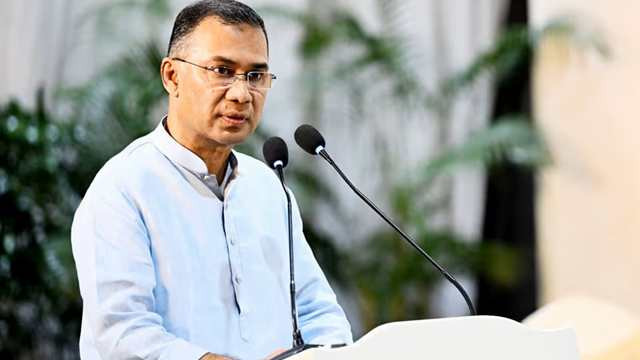
Bangladesh’s newly formed government is expected to face a series of economic and political challenges after Eid, as global tensions—particularly the ongoing conflict involving Iran, Israel, and the United States—drive concerns over energy security and economic stability.
The situation in the Middle East, including disruptions around the Strait of Hormuz, has heightened fears of fuel shortages and rising costs. Analysts warn that these pressures could significantly impact Bangladesh’s agriculture, industry, and overall economy.
Economists and political analysts say the government’s primary challenges will revolve around three key areas: managing the energy crisis, keeping the economy stable, and maintaining political stability. Meeting public expectations—after a prolonged period of political uncertainty—will also be a major test for the administration.
Energy security has emerged as the most pressing concern. Experts warn that demand for electricity and fuel will surge after Eid, as offices, courts, and industries resume full operations. Additionally, the agriculture sector will require increased fuel for irrigation and fertilizer production during the peak farming season in April and May.
Centre for Policy Dialogue Distinguished Fellow Mustafizur Rahman বলেছেন, rising global fuel prices are already putting pressure on Bangladesh’s finances, particularly at a time when government revenue collection is under strain. He noted that meeting energy demand may require additional spending from foreign exchange reserves.
Energy Adviser Iqbal Hasan Mahmud also acknowledged that ensuring energy security will be the government’s biggest immediate challenge. He said the global impact of the Middle East conflict is already being felt and warned of a “chain reaction” affecting all sectors, including food security, industrial output, and overall economic growth.
The government has begun exploring alternative energy sources, promoting efficient usage, and considering spot market purchases to manage the situation. However, officials admit that prolonged conflict could force difficult decisions, including possible fuel price adjustments.
Beyond energy, political challenges are also expected to intensify. Issues such as local government elections, implementation of the “July Charter,” and demands from opposition parties could put pressure on the government soon after Eid.
Political analyst Mohiyuddin Ahmed noted that concerns over politicization in administrative appointments and reform agendas may further complicate the situation. He warned that opposition groups are likely to increase pressure on the government over governance, legal accountability, and reform commitments.
Economists emphasize that maintaining macroeconomic stability will be the most complex long-term challenge. Inflation control, market stability, and maintaining foreign exchange reserves will require careful policy coordination.
The upcoming national budget is also seen as a critical test. Analysts say the government must balance expenditure with revenue while delivering on election promises, including expanding social safety net programs such as family and agriculture support schemes.
They also stress the importance of ensuring adequate fertilizer supply and supporting agricultural production amid global uncertainties.
Overall, experts believe the government’s ability to navigate energy constraints, stabilize the economy, and manage political expectations will determine its success in the months ahead.