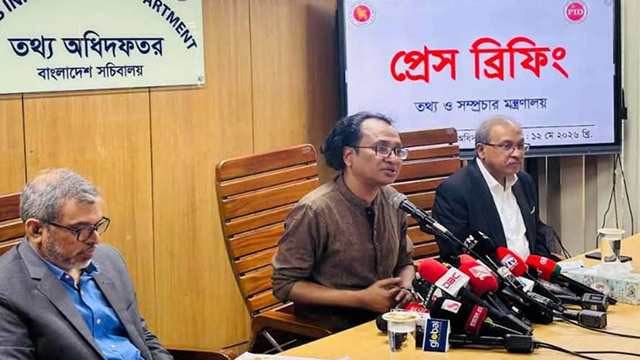
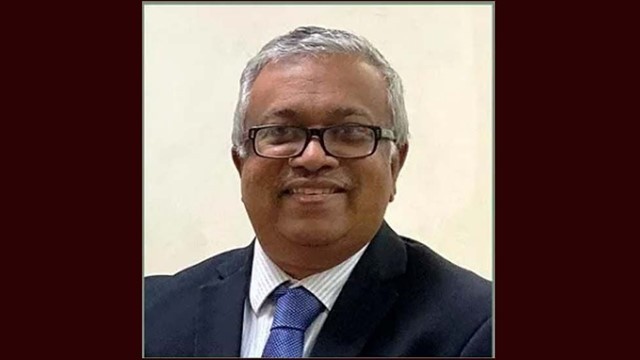
Speaking at a press conference held at the conference room of the Press Information Department (PID) at the Secretariat on Tuesday, Rahman said the agreement contains provisions both for cancellation and for modification through mutual discussion.
“If we examine the agreement, we will see that there is an option to cancel it by giving a 60-day notice. That is one aspect,” he said.
“The second point is that the agreement also includes a condition allowing both countries to modify various terms through discussion,” he added.
Rahman said that, in his opinion, the government should first review the agreement thoroughly before taking any further steps.
“I have seen newspaper columns and videos discussing problematic aspects of the agreement. Those discussions should continue,” he said.
The adviser also revealed that he had discussed the matter with the Prime Minister and that the government would conduct an internal review of the agreement.
“This is a very significant agreement, and we certainly understand the potential consequences of canceling it. At the same time, we also understand the context in which the agreement was signed,” he stated.
He suggested that the government may seek reconsideration of clauses considered problematic or harmful to national interests.
“We may take the opportunity to review whether certain parts of the agreement can be reconsidered — especially those we believe are more problematic or damaging for the state. We will first conduct a preliminary assessment and hope to engage in discussions with them on the matter,” Rahman said.
He also warned that canceling the agreement outright could create new tensions in bilateral relations or trigger disputes over reciprocal tariffs.
Responding to another question, Rahman noted that not all international arrangements are the same and that agreements come in different forms, including formal agreements and memorandums of understanding (MoUs).
“Even agreements can sometimes be exited, but in many cases the legal obligations are so strict that leaving may become more harmful than remaining within them,” he explained.
He further said that some agreements include confidentiality clauses, although citizens have a right to know and there are constitutional provisions requiring such matters to be presented in parliament.
“Any agreement that is harmful to our people — including those signed previously — will be evaluated by the government,” Rahman said.
He added that some memorandums of understanding may be relatively easier to withdraw from, but formal agreements are more complex. “Still, we will certainly review them,” he said.