According to updated data from the Office of Textiles and Apparel (OTEXA) under the US Department of Commerce, the United States imported garments worth $11.73 billion during January–February this year, marking a decline of approximately 13.5% compared to the same period last year.
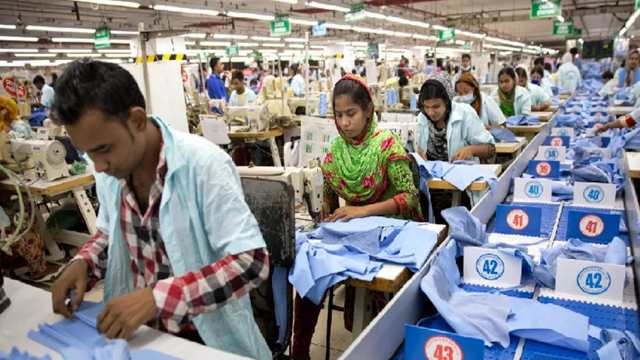
During this period, Vietnam retained its position as the top exporter, shipping $2.7 billion worth of garments to the US, reflecting a 2.86% increase year-on-year. Bangladesh ranked second, exporting $1.37 billion, down from $1.5 billion in the same period last year.
China experienced a dramatic drop, exporting only $1.17 billion compared to $2.77 billion a year earlier—a steep decline of 57.65%.
Indonesia and India ranked fourth and fifth, respectively. Indonesia’s exports rose by 4% to $810 million, while India’s exports fell sharply by nearly 24% to $720 million, down from $960 million the previous year.
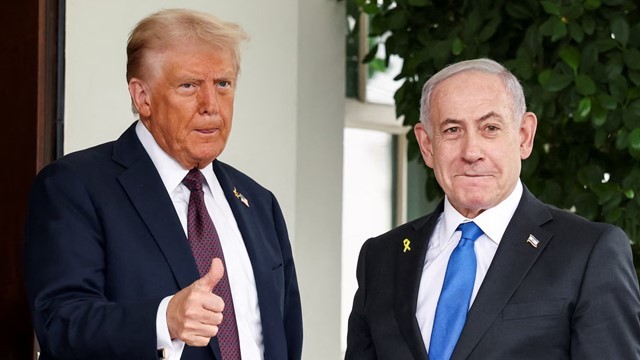
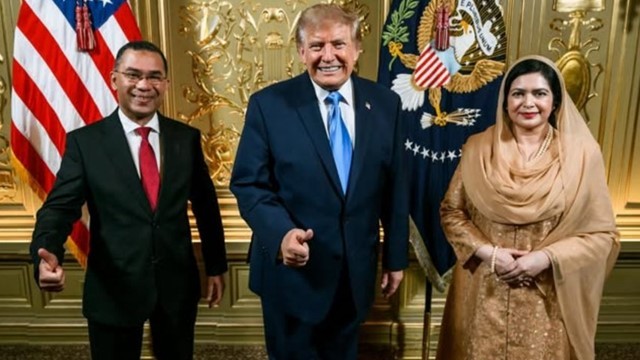
The shift in rankings is largely attributed to trade policies introduced by Donald Trump. On April 2 last year, the US imposed retaliatory tariffs on goods from 157 countries. Although initially scheduled to take effect on April 9, implementation was delayed for three months to allow bilateral negotiations.
Bangladesh initially faced a 37% tariff, which was later reduced to 35% on July 8. Following commitments to increase imports from the US, Bangladesh reached an agreement with the Trump administration, bringing the tariff down to 20%, effective August 7.
A further bilateral trade agreement signed on February 9 reduced the tariff rate to 19%. However, within weeks, the US Supreme Court declared the retaliatory tariffs unlawful.
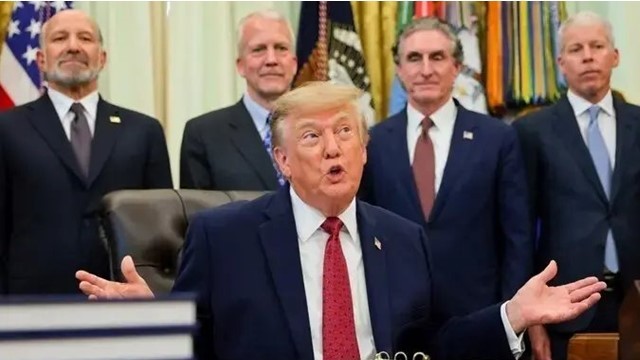
Shortly after the ruling, President Trump announced new tariffs under the Trade Act of 1974, initially set at 10% and later increased to 15%, effective February 24.
Despite initial challenges, Bangladesh gained a competitive edge over rivals due to relatively lower tariffs. For instance, Vietnam faced similar tariff levels (around 20%), while India’s total tariff burden reached 50%, and China’s was even higher. This led to increased orders for Bangladeshi garments and footwear, although the momentum has not been sustained in recent months.