[email protected] সোমবার, ১৮ মে ২০২৬
৪ জ্যৈষ্ঠ ১৪৩৩

BD Signs Energy Cooperation MoU with US Amid Debate Over Long-Term Imports

17 May 2026 21:05 PM

NEWS DESK

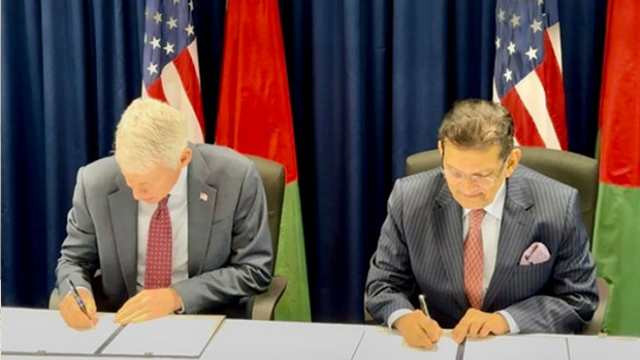
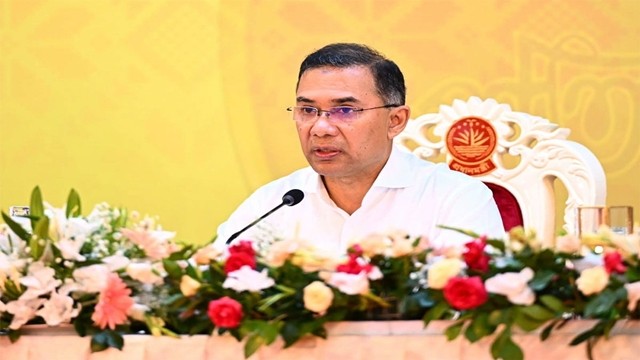
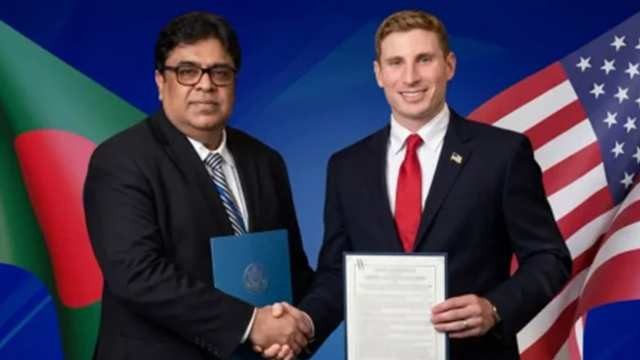
Photo: Collected

A newly signed Memorandum of Understanding (MoU) between Bangladesh and the United States on strategic cooperation in the energy sector has sparked widespread discussion in Bangladesh.

The debate intensified because only a few months earlier, under the interim government, Bangladesh had already agreed through a separate trade deal to purchase $15 billion worth of energy from the United States over the next 15 years. The latest agreement has therefore raised questions about why another energy-related understanding was needed so soon.

Following the signing ceremony, a statement issued by the Bangladesh Embassy in Washington highlighted the goals of “diversifying energy sources” and “opening new areas of broader energy cooperation” between the two countries.

State Minister for Power, Energy and Mineral Resources Anindya Islam Amit said the primary objective of the MoU is to strengthen Bangladesh’s energy security, particularly by creating the United States as a major alternative source for liquefied petroleum gas (LPG) and liquefied natural gas (LNG).

He stated that ensuring energy security is critically important for the country and noted that Bangladesh already has similar understandings with several other nations. According to him, the agreement with the U.S. will help safeguard national interests.

Analysts believe the MoU will expand the role of American companies in Bangladesh’s energy sector while also creating alternative import sources for Bangladesh, reducing the country’s heavy dependence on Middle Eastern suppliers during times of crisis.

Bangladesh currently relies heavily on Middle Eastern countries — especially Qatar and Saudi Arabia — for its energy imports. However, after the recent Iran conflict, some contracted supplies of oil and LNG reportedly failed to arrive according to schedule.

Energy expert and former caretaker government adviser M. Tamim said diversifying energy sources through cooperation with the United States is beneficial for Bangladesh.

He added that having more import options would help Bangladesh meet future energy demands, but cautioned that forcing Bangladesh to purchase energy under the guise of cooperation would not be in the country’s interest. He stressed that the detailed contents of the agreement must be made public to fully assess its implications.

What Does the MoU Include?

According to the Bangladesh Embassy in Washington, the MoU was signed on Thursday local time in Washington by Foreign Minister Khalilur Rahman and U.S. Energy Secretary Chris Wright.

The embassy said the agreement would support Bangladesh’s efforts to strengthen long-term energy security by diversifying energy supply sources.

The statement added that the MoU would ensure affordable pricing and sustainable supply systems while opening broader areas of energy cooperation between Bangladesh and the United States.

The agreement also aims to facilitate capacity building, knowledge exchange, and research cooperation in oil, gas, geothermal energy, and bioenergy sectors.

Additionally, it is expected to help Bangladesh import LNG, LPG, and other energy products from the United States at competitive prices.

Chairman of the Bangladesh Energy Regulatory Commission, Jalal Ahmed, said alternative energy sources are essential for national energy security because dependence on a single source creates significant risks.

Professor M. Tamim again emphasized that the detailed terms of the agreement would determine what kind of commitments have actually been made in different sectors.

“At first glance, the agreement appears to focus on diversifying energy sources,” he said. “Since Bangladesh depends heavily on imports, having multiple options is beneficial.”

Growing U.S. Influence in Bangladesh’s Energy Sector

The interim government’s trade agreement with the United States before the parliamentary elections in February had already faced criticism because it included a commitment to purchase $15 billion worth of American energy products over 15 years.

At the same time, U.S. companies already hold a significant presence in Bangladesh’s gas sector. Several American firms have also expressed interest in exploring all deep-sea oil and gas blocks in Bangladesh, although offshore exploration activities have remained largely stagnant for years.

Bangladesh’s maritime territory has been divided into 15 deep-sea blocks and 11 shallow-water blocks for exploration purposes.

Officials from the Bangladesh Energy Regulatory Commission said that around 40 percent of Bangladesh’s LPG imports in April this year came from the United States.

Earlier, in January 2025, the interim government led by Muhammad Yunus signed an LNG import agreement with the United States. Political and diplomatic circles have since speculated that Washington exerted pressure on Dhaka to finalize the deal.

Editor of the energy magazine Energy and Power, Molla Amjad Hossain, said the United States is already a major player in Bangladesh’s energy sector and appears determined to strengthen its position further.

He noted that U.S. energy giant Chevron currently produces about 40 percent of Bangladesh’s domestic gas output. An American company also operates one of the country’s LNG terminals, while another U.S. firm has proposed conducting oil and gas exploration across all offshore blocks.

Meanwhile, under the February agreement, Bangladesh is also expected to sign long-term contracts for purchasing LNG from the United States.

Analysts now believe the newly signed MoU could further increase Bangladesh’s imports of LNG, LPG, and other American energy products.

Search for Alternatives Amid Middle East Crisis

According to Bangladesh’s Energy and Mineral Resources Division, nearly 95 percent of the country’s fuel demand is met through imports, most of which come from Middle Eastern countries.

Bangladesh imports crude oil through long-term agreements with countries such as Saudi Arabia, the United Arab Emirates, and Kuwait. Likewise, LNG imports depend heavily on a small number of suppliers, mainly Qatar and Oman.

However, the Iran conflict has significantly disrupted oil shipments from the Middle East. Qatar reportedly failed to supply LNG according to existing contracts, worsening the energy crisis and forcing Bangladesh to purchase LNG from the spot market at much higher prices.

The disruption caused by instability in the Strait of Hormuz has also affected Bangladesh’s energy supply chain.

In response, the Bangladesh government is now seeking alternative energy sources from other regions, including the United States, to reduce future risks and ensure long-term energy security.


Comments Here:

Related Topic