১৮ আশ্বিন ১৪৩৩



Israeli Parliament to Vote on Early Election Bill Amid Pressure on Netanyahu
21 May 2026 07:05 AM
NEWS DESK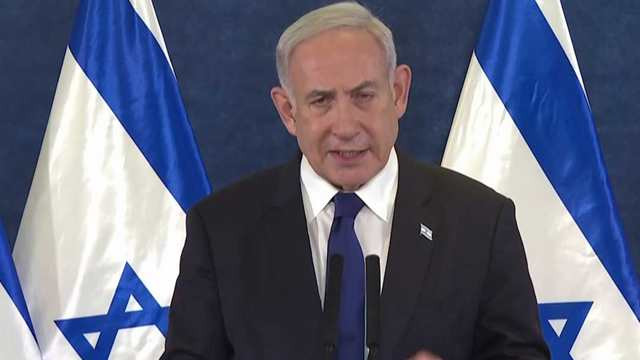
A bill seeking to dissolve the Knesset and trigger an early national election has been introduced in Israel, with lawmakers scheduled to vote on the proposal on Wednesday.
If passed, the bill could pave the way for elections ahead of schedule and potentially threaten the political future of Prime Minister Benjamin Netanyahu.
Although no official election date has yet been set, political analysts believe voting could take place as early as September, while others suggest late October remains possible. Israel normally holds national elections every four years, but early elections have become common in recent decades. The last election was held in November 2022, and the next vote was originally expected by October 27 this year.
Recent opinion polls indicate Netanyahu could face significant challenges in retaining power. Surveys suggest his coalition may struggle to secure a parliamentary majority, largely due to growing public dissatisfaction over security, governance and the ongoing war situation.
Pressure on Netanyahu intensified after one of his longtime ultra-Orthodox Jewish allies announced earlier this month that it no longer viewed him as a political partner and would support early elections. The party accused Netanyahu’s coalition of failing to deliver legislation that would exempt members of the ultra-Orthodox community from mandatory military service.
Opposition parties have also continued efforts to remove Netanyahu from office. A previous attempt to collapse the government failed in June, but analysts say the possibility of early elections could energize opposition campaigns and weaken the government’s ability to pass controversial legislation.
In an attempt to manage the political crisis, Netanyahu’s coalition reportedly submitted its own parliamentary dissolution bill on May 13 before opposition parties could move first.
The proposal will now move through committee discussions before returning to parliament for final approval. Under Israeli law, the bill must pass three rounds of voting and secure support from at least 61 members in the 120-seat Knesset.
Netanyahu’s political standing has remained under pressure since the surprise Hamas attack on October 7, 2023, which triggered major criticism of his government’s security preparedness.
Despite declining poll numbers, Netanyahu could still remain interim prime minister if opposition parties fail to unite and form a governing coalition. Israel has experienced similar political deadlock before. Prior to the 2022 election, the country held five elections in less than four years.
Former Prime Minister Naftali Bennett is currently seen as Netanyahu’s main rival. Bennett, once a close ally of Netanyahu, helped remove him from office in 2021 before later returning to opposition politics.
Bennett has now formed a new political alliance called “Together” with opposition leader Yair Lapid. Polls show the new bloc running nearly level with Netanyahu’s Likud party. Former military chief Gadi Eisenkot has also emerged as a popular centrist figure in recent surveys.