৫ কার্তিক ১৪৩৩



Geopolitical Tensions in Middle East Disrupt Bangladesh Maritime Trade
22 April 2026 10:04 AM
NEWS DESK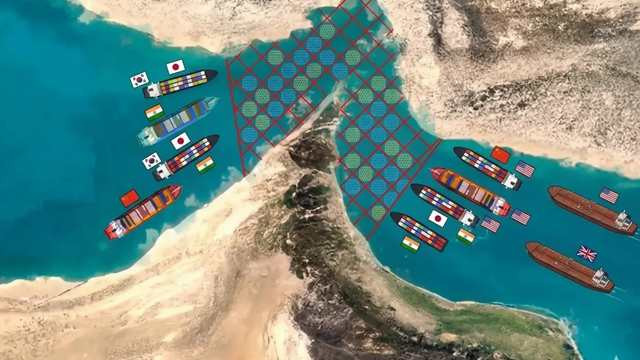
Rising geopolitical tensions in the Middle East are now affecting Bangladesh’s maritime trade, as stricter controls in the strategically vital Strait of Hormuz begin to impact import-dependent countries.
One such impact involves the Bangladeshi vessel Banglar Joyjatra, which remains stranded after failing twice to cross the strait. The ship, carrying around 37,000 tonnes of fertilizer, is currently waiting near a port in the United Arab Emirates.
The vessel, owned by the Bangladesh Shipping Corporation (BSC), is operated by a Singapore-based firm but crewed entirely by Bangladeshi sailors. Its intended destinations are Cape Town and Durban.
According to BSC Managing Director Commodore Mahmoodul Malek, the ship has been unable to proceed due to a lack of clearance from Iran’s Islamic Revolutionary Guard Corps (IRGC). Diplomatic efforts are underway through multiple channels to secure permission.
Diplomatic Efforts Intensify
Bangladesh has stepped up diplomatic engagement to resolve the situation. During a meeting in Turkey, Foreign Minister Khalilur Rahman directly requested assistance from Iran’s Deputy Foreign Minister Saeed Khatibzadeh to ensure safe passage for the vessel.
Officials from the Ministry of Foreign Affairs say the matter has escalated to high-level diplomatic discussions, with ongoing communication aimed at a swift resolution.
Wider Disruptions in Shipping
The crisis extends beyond a single vessel. Another ship, flying the Cayman Islands flag and scheduled to transport Arabian Light crude oil from Saudi Arabia’s Juaymah terminal to Chattogram, has also been unable to depart due to similar clearance issues.
Despite earlier assurances from Iran’s ambassador and Foreign Minister Abbas Araghchi that fuel-carrying vessels from Bangladesh and other countries would be allowed passage, the current situation appears inconsistent with those statements, raising questions about a possible shift in Iran’s stance.
Diplomatic Friction Behind the Crisis?
Diplomatic observers in Dhaka suggest that recent tensions may be linked to Bangladesh’s response following attacks on Iran and the death of Ali Khamenei.
In its initial statement, Bangladesh criticized retaliatory actions by Iran but did not explicitly mention the United States or Israel. This was perceived in Tehran as an ambiguous or one-sided position.
Although a revised statement later described Khamenei’s death as a violation of international law, diplomats believe it may not have fully addressed Iran’s concerns.
Iran’s ambassador to Dhaka, Jalil Rahimi Jahanabadi, has publicly expressed dissatisfaction, stating that Bangladesh could have taken a stronger stance condemning the attacks.
Debate Over Foreign Policy Balance
Analysts argue that Bangladesh’s longstanding foreign policy principle—opposing aggression and respecting sovereignty—was not clearly reflected in this instance.
Former diplomat Humayun Kabir noted that ambiguity in Bangladesh’s position may have created confusion internationally, with tangible consequences such as disruptions in maritime movement.
He emphasized that a consistent moral foundation in foreign policy is essential, particularly in condemning aggression regardless of the parties involved.
Security Situation and Regional Instability
Following attacks reportedly involving the United States and Israel in late February, Iran responded with countermeasures, increasing instability across the Gulf region. In response, Iran imposed stricter monitoring and control in the Strait of Hormuz, requiring individual clearance for vessels—effectively slowing global shipping traffic.
Uncertain Path Ahead
The fate of Banglar Joyjatra now depends largely on diplomatic negotiations. Officials remain hopeful that improved bilateral understanding and restored trust will lead to a resolution.
Commodore Mahmoodul Malek expressed optimism that ongoing diplomatic efforts will soon secure Iranian approval for the vessel’s passage.
The situation underscores how geopolitical crises extend far beyond war zones, directly affecting trade, energy supply chains, and international diplomatic relations.