[email protected] শুক্রবার, ৫ জুন ২০২৬
২২ জ্যৈষ্ঠ ১৪৩৩
USA

U.S. Embassy in Dhaka Requires Certain Visa Applicants to Make Social Media Profiles Public

05 June 2026 21:06 PM

NEWS DESK

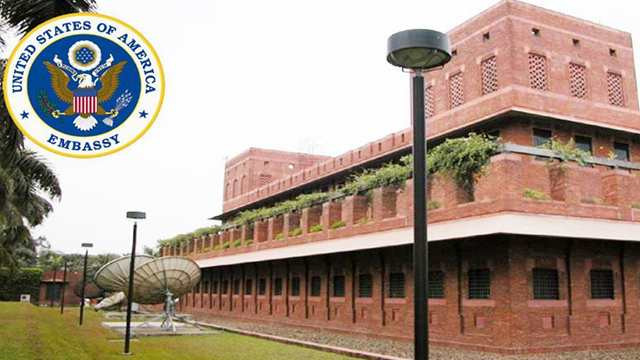
File Photo

The U.S. Embassy in Bangladesh has announced that applicants in several non-immigrant visa categories must ensure that their social media profiles are set to “public” as part of the visa screening process.

In a notice published Friday on the embassy’s verified Facebook page and X account, the embassy said the measure is intended to facilitate identity verification and assessments of eligibility for entry into the United States.

According to the announcement, effective March 30, 2026, applicants for specific visa categories—including A-3, C-3 (for domestic workers), G-5, H-3, H-4 dependents, K-1, K-2, K-3, Q, R-1, R-2, S, T, and U visas—will be required to make all of their social media profiles publicly accessible during the application process.

The embassy stated that public access to social media accounts helps U.S. authorities conduct necessary background checks and verify information provided by visa applicants.

Part of Broader Screening Measures

The requirement is not entirely new. The United States has been expanding its review of visa applicants’ social media activity for several years as part of broader security screening efforts.

According to an updated statement published by the U.S. Department of State on March 25, U.S. authorities use all available information during visa screening and vetting procedures to identify applicants who may pose risks to national security.

The State Department has emphasized that social media information can be one of several sources used to verify identities, assess eligibility, and detect potential security concerns.

Possible Expansion of Social Media Reviews

In December of last year, reports indicated that the administration of President Donald Trump was considering additional measures that could require some travelers seeking entry to the United States to provide up to five years of social media history as part of the immigration and visa review process.

Supporters of such measures argue that they enhance national security and improve the government’s ability to identify potential threats. Critics, however, have raised concerns about privacy, free expression, and the scope of government monitoring of online activity.

What Applicants Should Know

Under the new guidance, affected visa applicants are expected to:

  • Ensure that their social media profiles are publicly viewable.
  • Provide accurate information regarding their online presence.
  • Be prepared for social media activity to be reviewed as part of the visa adjudication process.

The embassy did not indicate any changes to visa eligibility criteria themselves but stressed that compliance with screening requirements is an important part of the application process.

The announcement reflects the United States’ continuing emphasis on enhanced vetting procedures for visa applicants amid ongoing national security concerns.


Comments Here:

Related Topic