১১ আশ্বিন ১৪৩৩



Bangladesh FM Urges Comparison of U.S. Trade Deal with Global Agreements Amid Criticism
06 May 2026 09:05 AM
NEWS DESK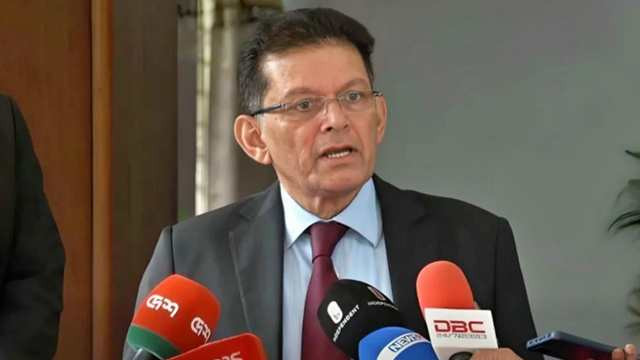
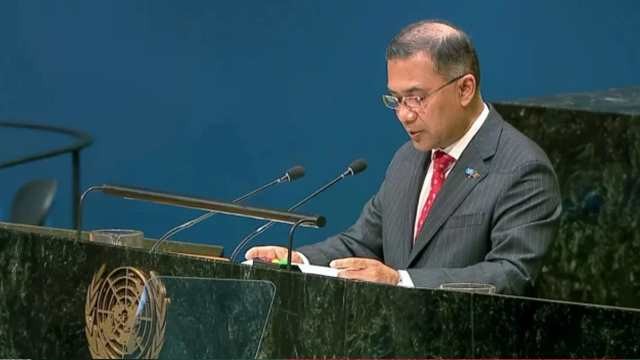
Bangladesh’s Foreign Minister Khalilur Rahman has urged critics of the country’s recent trade agreement with the United States to compare it with similar deals signed by other nations before passing judgment.
Speaking to journalists in Dhaka on Tuesday after a meeting with a visiting U.S. delegation led by Brendan Lynch, Rahman welcomed open discussion but emphasized the importance of context.
The trade agreement—signed during the interim government led by Muhammad Yunus—has faced criticism for allegedly imposing more obligations on Bangladesh than on the United States. Reports suggest that Bangladesh agreed to 131 conditions, compared to just six for the U.S.
Responding to these concerns, Rahman noted that similar agreements with countries such as Indonesia, Vietnam, and Cambodia include even higher numbers of commitments. He cited Indonesia as having agreed to 231 such provisions.
“Read Bangladesh’s agreement alongside those of other countries, and you’ll better understand what we have achieved,” he said. He also highlighted that tariff negotiations were part of a broader reciprocal framework, with Bangladesh securing a rate of around 19%, comparable to Vietnam’s 20%.
Rahman encouraged analysts and the public to examine not only the number of conditions but also factors such as policy commitments and purchase obligations across different agreements.
China Visit and Teesta Issue
Later in the day, Rahman departed for a three-day official visit to China, describing it as an important step in strengthening bilateral ties under a “strategic cooperative partnership.”
He said discussions would include the long-pending Teesta River project, calling it a matter of “life and livelihood” for people in northern Bangladesh.
The Teesta water-sharing agreement with India has remained unresolved for over a decade, largely due to objections from West Bengal Chief Minister Mamata Banerjee. With recent political changes in West Bengal, questions have arisen about whether progress is now possible.
Rahman said it was too early to predict outcomes, noting that the new state government’s position is not yet clear. However, he stressed that Bangladesh would continue exploring all possible avenues, including cooperation with China, to address the region’s ecological and economic challenges.
Response to Anti-Bangladesh Remarks
Addressing concerns over recent remarks by Indian political figures, including Assam Chief Minister Himanta Biswa Sarma, Rahman reaffirmed Bangladesh’s firm stance.
“We have already strongly protested such statements and will take necessary measures,” he said, responding to questions about potential increases in cross-border “push-in” incidents.
Rahman concluded by reiterating the government’s commitment to prioritizing national interests: “The most important consideration is the welfare of our people—Bangladesh first.”