১০ আশ্বিন ১৪৩৩


INCB Reports
Bangladesh Emerging as Cocaine Transit Route for International Drug Syndicates
27 June 2026 08:06 AM
NEWS DESK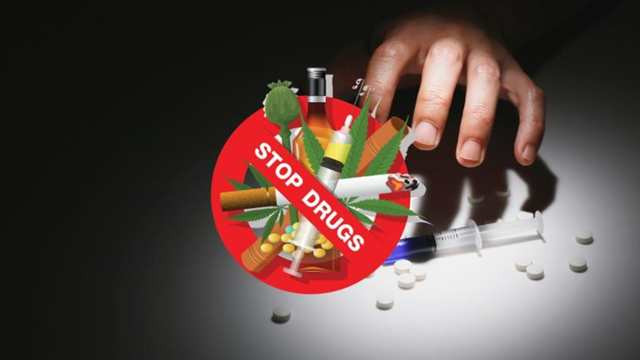
International drug trafficking networks are increasingly attempting to use Bangladesh as a transit point for cocaine smuggling, according to a report by the International Narcotics Control Board (INCB), a United Nations body.
The report, published on February 26, 2026, examines global drug trafficking trends during 2025. It states that record levels of cocaine production in South America have prompted traffickers to seek new markets and smuggling routes, with South Asia emerging as one of their primary destinations.
Bangladesh's Department of Narcotics Control (DNC) echoed the concern in its 2025 Annual Report, warning that international drug trafficking syndicates are attempting to establish the country as a transit hub for cocaine shipments.
According to the report, cocaine produced in Colombia, Peru, and Bolivia is first transported to several African countries before being flown into Bangladesh by members of international criminal networks. Bangladesh is then used as a transit point to smuggle part of the consignments to destinations across South Asia and Europe.
The INCB noted that South Asia is no longer serving merely as a transit region but is gradually becoming a consumer market for cocaine, raising concerns about the potential growth of cocaine use within Bangladesh.
Senior officials of the DNC said that at least 10 cocaine consignments have been intercepted in Bangladesh over the past four years.
The DNC's annual report states that nationals of Malawi, Nigeria, Tanzania, and Cameroon have been arrested in Bangladesh for their involvement in cocaine trafficking. Most of them entered the country by air, with the intention of smuggling cocaine onward to India and other South Asian countries.
According to official statistics, law enforcement agencies seized approximately 130 kilograms of cocaine in 2024, while 14.651 kilograms were confiscated in 2025. Laboratory analysis conducted by the DNC's Central Chemical Laboratory confirmed the presence of cocaine in all seven samples tested during the year.
Beyond air routes, the INCB report highlights that drug trafficking networks in Southeast Asia have expanded their operations beyond local markets and are increasingly targeting South Asia.
The report states that large quantities of methamphetamine, the primary ingredient used in yaba tablets, are produced in Myanmar's Shan and Kachin states. These drugs are transported through Myanmar's border regions into India's northeastern states before entering Bangladesh via border areas in Assam, Mizoram, Manipur, Tripura, and Meghalaya.
The DNC's 2025 report further identifies the Naf River, Teknaf, Shah Porir Dwip, Ukhia, Saint Martin's Island, and the Cox's Bazar coastline as major routes used to smuggle narcotics from Myanmar into Bangladesh.
Officials say Bangladesh has witnessed a rapid spread of synthetic and previously uncommon narcotics in recent years.
"Since 2018, the rate of detecting new types of drugs has increased significantly. Most of these substances are chemically manufactured," said Mehedi Hasan, Deputy Director of the DNC's Dhaka Divisional Intelligence Office.
According to the DNC, authorities identified and seized 13 new or emerging types of narcotics between 2018 and 2025, reflecting changing patterns in the country's illicit drug market.
Although Bangladesh is not a drug-producing country, officials warn that its strategic geographic location makes it highly vulnerable to international trafficking networks.
The DNC notes that Bangladesh lies between three major global drug-producing and trafficking regions:
Golden Triangle — covering Myanmar, Laos, and Thailand to Bangladesh's east.
Golden Crescent — comprising Iran, Afghanistan, and Pakistan to the west.
Golden Wedge — including parts of India's Himachal Pradesh, Uttar Pradesh, Arunachal Pradesh, Nepal, and Bhutan to the north.
This position has made Bangladesh an increasingly attractive transit corridor and a potential consumer market for international drug syndicates.
The government has announced plans to strengthen the country's legal framework to combat drug-related crimes. Bangladesh is officially observing the International Day Against Drug Abuse and Illicit Trafficking on June 26, under the theme:
"The World Drug Problem: Current Challenges, New Threats, and Innovative Responses."
DNC Director General Hasan Maruf said Bangladesh regularly shares intelligence with the authorities of source countries to facilitate coordinated action against traffickers.
"We inform the relevant authorities in countries from where drugs originate so they can also take appropriate action. At the same time, the Department of Narcotics Control, along with other law enforcement agencies, is working in coordination to bring drug traffickers to justice," he said.
Maruf also warned that traffickers are increasingly using cyberspace to facilitate drug smuggling operations. He said the DNC is enhancing its technological capabilities and strengthening legal measures to detect and prevent cyber-enabled narcotics trafficking.