৪ কার্তিক ১৪৩৩



Hundreds of Bangladeshi Workers Left Homeless After Kuwait Crackdown, Embassy Response Questioned
20 July 2026 02:07 AM
NEWS DESK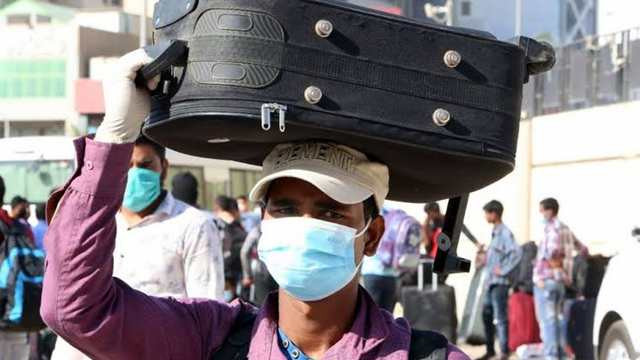
Hundreds of Bangladeshi migrant workers have reportedly been left without shelter following a large-scale government crackdown on unsafe buildings and immigration violations in Kuwait, forcing many to spend days and nights outdoors in extreme summer heat.
The operation, which began on July 15, has affected residents in Jleeb Al-Shuyoukh, Hasawi and Abbasiya, areas that are home to large migrant communities, including thousands of Bangladeshis.
According to updated Kuwaiti government figures, about 350,000 Bangladeshi workers live in Kuwait, making them one of the country's largest expatriate communities.
The crackdown, carried out under the supervision of First Deputy Prime Minister and Interior Minister Sheikh Fahad Al-Yousef Al-Sabah, involved the military, National Guard, Fire Force, and several government ministries. Authorities disconnected electricity and water supplies to buildings found to be in violation of safety or housing regulations and imposed fines on property owners.
Several affected workers told local media they have been sleeping on streets or in open spaces since being evicted.
Abdul Kaiyum, a Bangladeshi migrant worker, said electricity and water supplies to his building were cut shortly after midnight on Wednesday before residents were ordered to leave.
"Since then, we've been spending our days and nights on the streets," he said. "With temperatures reaching nearly 50 degrees Celsius, the heat is unbearable. We've gone days without proper sleep, showers or even enough drinking water."
He also alleged that while he had heard embassy officials visited the area, neither he nor many other displaced Bangladeshis had received direct assistance.
Workers said the crackdown has triggered a sharp rise in rental prices as landlords respond to increased demand.
Apartments that previously rented for 200 to 250 Kuwaiti dinars are now reportedly being offered for 400 to 500 dinars, putting accommodation beyond the reach of many low-income migrant workers.
Riyazul Islam, a Bangladeshi worker from Narail who had lived in Abbasiya for two years, said police ordered residents to leave within minutes during the overnight operation.
"They told us to take only our passports, phones and residency permits and leave within five minutes," he said. "Many couldn't collect their belongings. Some later tried to return, while others spent the night on rooftops before being forced out again."
A day after the evictions, the Embassy of Bangladesh in Kuwait announced that the Kuwaiti government had opened a temporary shelter at a public school for displaced residents.
According to the embassy, individuals and families with valid residency documents are eligible to stay there temporarily. However, residents are not permitted to leave the shelter to go to work or for other purposes while staying there.
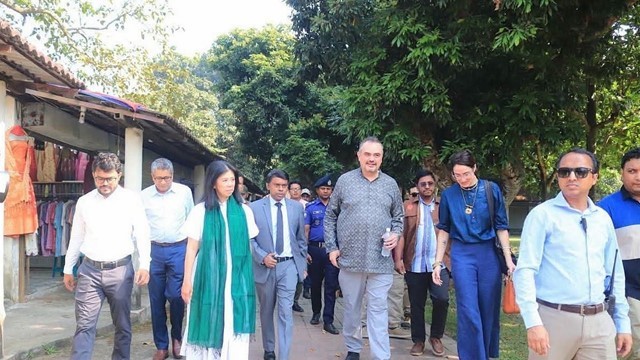
The embassy also said a delegation led by senior diplomatic and labour officials had visited the shelter to assess the situation of displaced Bangladeshi nationals.
However, many workers said they chose not to use the facility because remaining there would prevent them from reporting to work and earning an income.
Some also criticized what they described as insufficient assistance from the Bangladeshi mission, saying they had received little warning before the evictions and limited support afterward.
Sources at the Bangladeshi embassy said the demolitions and evictions had been planned for some time and that notices had been sent to building owners, who may not have informed tenants for fear of losing rental income.
The sources added that the embassy does not have the capacity or resources to rent accommodation for the large number of displaced workers. They also noted that those who wish to leave the government shelter must declare that they have alternative accommodation outside the affected areas.
According to Bangladesh Bank, Bangladeshi workers in Kuwait sent home $1.61 billion in remittances during the first 11 months of the 2025-26 fiscal year (July-May), compared with $1.63 billion during the entire 2024-25 fiscal year. Kuwait is Bangladesh's eighth-largest source of remittances.
Bangladesh's State Minister for Expatriates' Welfare and Overseas Employment, Nurul Haque Nur, said he was not yet fully briefed on the situation but pledged that the government would provide as much assistance as possible.
"If the Kuwaiti government has declared certain buildings unsafe and prohibited people from living there, that is a sovereign decision," he said. "We will gather detailed information and take whatever steps are appropriate through discussions with the Kuwaiti authorities."
Kuwaiti authorities have said the operation primarily targets unsafe and illegally occupied buildings, overcrowded housing, residency permit violations, absconders, and unlicensed businesses operating in residential areas.