৪ কার্তিক ১৪৩৩



Triple Extreme Weather Emergencies Grip U.S., Affecting More Than 70 Million People
20 July 2026 02:07 AM
NEWS DESK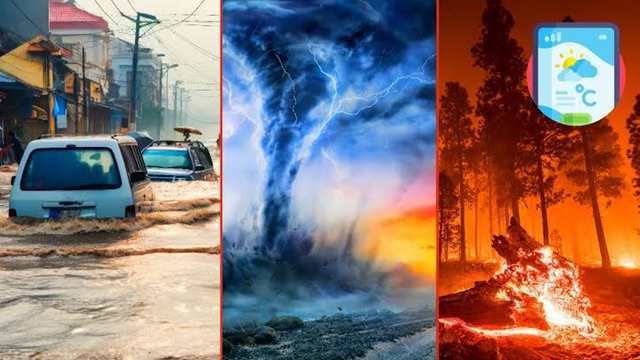
The United States is facing three major weather-related emergencies at the same time, as wildfire smoke blankets the East Coast, flash flooding inundates parts of Texas, and new wildfires spread across the West, affecting more than 70 million people nationwide.
According to Reuters, smoke from Canadian wildfires spread across a vast area from the Great Lakes to Washington, D.C., on Friday. At the same time, flash flooding continued for a third consecutive day in Texas Hill Country, while lightning ignited multiple new wildfires across the Pacific Northwest.
The National Interagency Fire Center (NIFC) said 68 large wildfires are currently burning across 15 states, an increase of nearly two dozen fires in just one day. In the Pacific Northwest alone, lightning sparked 17 new wildfires.
More than 17,400 firefighters and emergency personnel, supported by 140 helicopters and four military C-130 air tankers, have been deployed to combat the fires.
So far this year, wildfires have burned approximately 3.72 million acres, more than one million acres above the area burned during the same period last year.
Wildfire Smoke Degrades Air Quality
Smoke drifting south from Canada has significantly worsened air quality across the Midwest, Northeast, and Mid-Atlantic regions.
The National Weather Service (NWS) has issued air quality alerts covering more than 100 million people, urging residents to limit outdoor activities and remain indoors whenever possible.
In Chicago, authorities temporarily closed parks and beaches along Lake Michigan because of hazardous air pollution. Several outdoor events were canceled or moved indoors. Forecasters also warned that temperatures in the city could exceed 32 degrees Celsius (90 degrees Fahrenheit).
Flash Floods Continue in Texas
Meanwhile, relentless rainfall has triggered severe flash flooding across parts of Texas.
The National Weather Service said some areas have received more than 27 inches of rain since Tuesday.
At least two people have died, while emergency crews have rescued more than 100 residents from flood-affected communities.
Texas Governor Greg Abbott urged residents to remain vigilant, warning that river levels could continue rising even after rainfall subsides and that major rivers may approach flood stage throughout the weekend.
Climate Experts Warn of Growing Risks
Climate scientists say the simultaneous occurrence of multiple extreme weather events is becoming more likely as global temperatures continue to rise.
A warmer atmosphere dries out soil and vegetation more rapidly, creating conditions favorable for wildfires. At the same time, it can hold more moisture, increasing the likelihood of intense rainfall over short periods.
As a result, scientists say seemingly opposite disasters—such as large wildfires and catastrophic flash floods—are increasingly occurring at the same time, posing growing challenges for emergency responders and communities across the United States.