[email protected]
বুধবার, ১৬ সেপ্টেম্বর ২০২৬
৩১ ভাদ্র ১৪৩৩
৩১ ভাদ্র ১৪৩৩

Tuesday, 15th September 2026


Moody’s Upgrades Bangladesh’s Outlook to Stable on Economic Recovery
15 September 2026 23:09 PM
NEWS DESK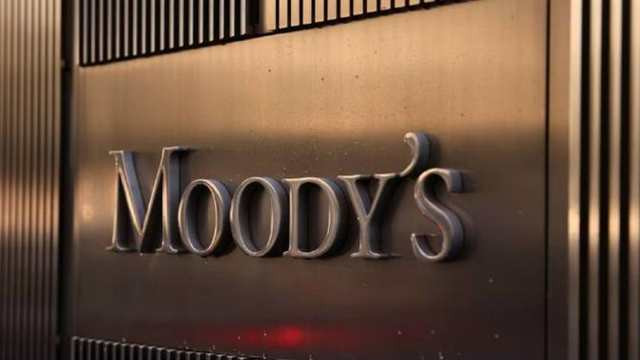
Bangladesh’s economic outlook has improved amid a return to political stability, rising foreign exchange reserves and record remittance inflows, prompting international credit rating agency Moody’s Ratings to upgrade the country’s sovereign outlook from “negative” to “stable.”
However, Moody’s has kept Bangladesh’s sovereign credit rating unchanged at B2, citing continued weaknesses in the banking sector and a high level of non-performing loans.
In its latest assessment released Tuesday, Moody’s said political uncertainty is no longer expected to pose a major obstacle to economic reforms, following post-election political changes and broad public support for the new government.
The agency also noted that continued assistance from the International Monetary Fund (IMF) is helping strengthen Bangladesh’s financing position. Moody’s had downgraded Bangladesh’s outlook to negative in March 2025 amid concerns over the country’s economic crisis.
Industry experts believe the improved Moody’s outlook could strengthen Bangladesh’s international image and boost confidence among foreign financial institutions.
They say foreign banks may become more willing to increase dollar and external credit limits for Bangladeshi banks, potentially making it easier for local businesses to finance imports and open letters of credit (LCs) on more favorable terms.
According to Moody’s, the adoption of a more market-based foreign exchange regime and record remittance inflows through formal banking channels have helped rebuild Bangladesh’s foreign currency reserves.
By mid-2026, the country’s reserves had risen to approximately $32.9 billion, enough to cover more than four months of import payments. This represents a significant recovery from 2024, when reserves had fallen to around $21.4 billion.
Moody’s also said Bangladesh’s economic growth is gradually recovering. GDP growth increased to 4.1 percent in fiscal year 2025–26, with further improvement expected in the coming fiscal years.
Despite the positive developments, however, the agency warned that significant challenges remain.
The non-performing loan ratio in Bangladesh’s banking sector has climbed to approximately 32.8 percent, creating substantial pressure on the government because of the large amount of capital potentially required to stabilize the sector.
Moody’s also highlighted Bangladesh’s weak tax revenue collection, noting that a large share of government revenue is consumed by debt-servicing costs. Weaknesses in parts of the power sector were also identified as a continuing concern.
The latest assessment therefore presents a mixed picture: Bangladesh has made notable progress in rebuilding its external financial position and restoring economic stability, but deep-rooted weaknesses in the banking and fiscal sectors continue to pose significant risks to the country’s credit profile.
Advertisement