২৫ আশ্বিন ১৪৩৩



Iran Claims Full Control Over Country Amid Unprecedented Protests, Warns Against Foreign Intervention
13 January 2026 06:01 AM
NEWS DESK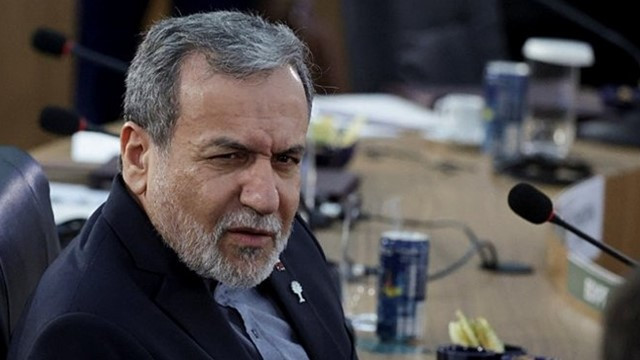
Iran’s Foreign Minister Abbas Araghchi has asserted that the country is now “fully in control” following weeks of unprecedented nationwide protests and unrest.
Araghchi made the statement during a high-level meeting on Monday with foreign diplomats stationed in Tehran. He noted that although violent incidents surged over the past weekend, the law and order situation across the country has now stabilized.
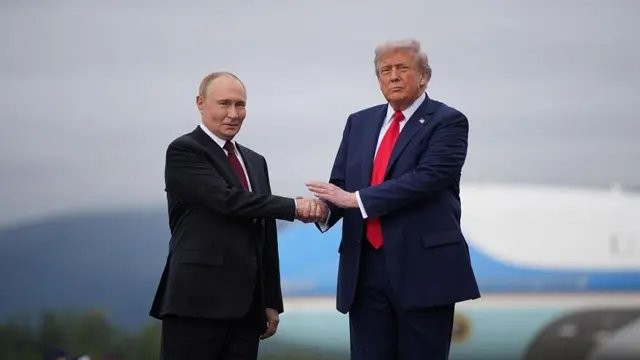
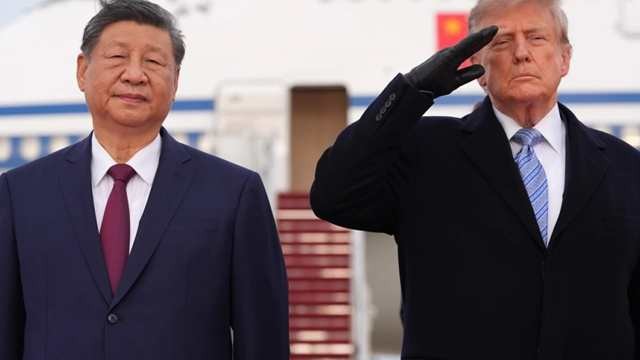
He accused external actors of deliberately turning the widespread protests into a bloody and violent movement, suggesting that former U.S. President Donald Trump could have used the unrest as a pretext for direct military intervention in Iran.
Speaking on Iran’s current stance toward the crisis, Araghchi said, “We are prepared for war, but we have also kept the door open for dialogue.” He added that authorities are working to restore internet services nationwide in coordination with security forces, prioritizing connectivity at embassies and government ministries, which were disrupted during the crackdown that began on December 28.
Meanwhile, Iran’s Supreme Leader Ayatollah Ali Khamenei delivered a stern message on social media, indirectly criticizing Trump and likening him to historical despots. Khamenei wrote, “Those who arrogantly sit in judgment over the world, know that tyrants such as Pharaoh, Nimrod, and Reza Shah fell at the height of their power. His [Trump’s] fall is inevitable.” Analysts interpret Khamenei’s remarks as a firm rejection of Trump’s calls for a “Great Iran” and a signal of Tehran’s uncompromising position.
International human rights organizations report that over 500 people have been killed in clashes with security forces during the past two weeks, with thousands arrested amid the demonstrations. Despite this, Araghchi’s statements suggest that Tehran is now attempting to project a stabilized image of the country to the international community.
Analysts note that while the streets of Tehran remain calm, the Iranian government has adopted a dual strategy of defensive preparedness and diplomatic engagement in response to Trump’s threats. Observers argue that this approach has introduced a new phase in the U.S.-Iran standoff, with tensions now extending beyond conventional channels into strategic and psychological arenas.