১৯ আশ্বিন ১৪৩৩



Cuba Faces Severe Economic and Humanitarian Crisis Amid Fuel Shortages
18 February 2026 06:02 AM
NEWS DESK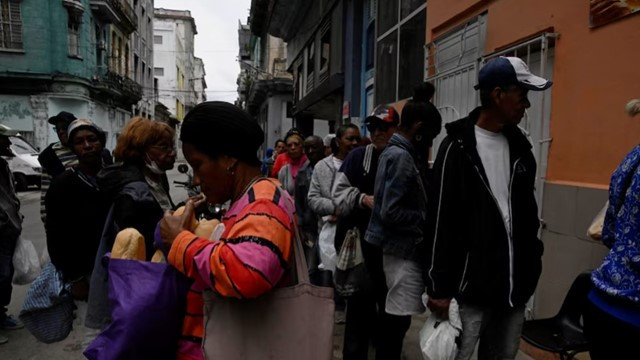
The Caribbean island nation of Cuba is facing an unprecedented economic and humanitarian crisis as its fuel supply system collapses, leaving daily life paralyzed. Shortages of fuel and foreign tourists have drained cash reserves, while U.S. sanctions have intensified the country’s hardships. I
International diplomats and aid agencies have warned that without urgent intervention, the situation could escalate into a major humanitarian disaster.
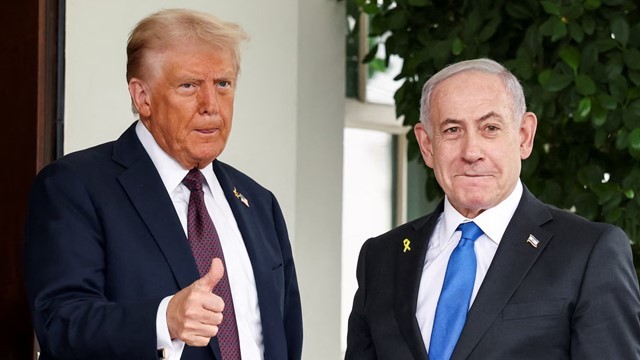
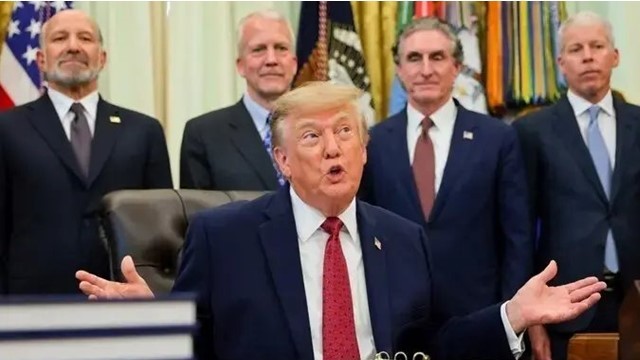
The crisis stems largely from recent U.S. measures. In January, U.S. President Donald Trump signed an executive order threatening high tariffs on countries supplying oil to Cuba. In response, friendly nations such as Mexico have halted oil shipments. Fuel supplies from Venezuela were also cut due to U.S. pressure. Consequently, electricity production and transportation have ground to a halt. Mexican President Claudia Sheinbaum has sent 800 tons of aid and warned of a looming humanitarian crisis.
The capital, Havana, shows visible signs of the shortages. Buses and taxis are scarce, and the government has closed universities, schools, and non-essential offices. Electricity and water supplies are critically low. With cooking gas and kerosene unavailable, many residents have resorted to wood and coal stoves. The demand for coal stoves has skyrocketed, and many students have been sent back to their villages despite limited rural electricity.
Cuba’s tourism sector, a major source of income, has been hit hard. Canada and Russia have suspended all flights to the island this week due to fuel shortages, forcing thousands of tourists to be repatriated. Some countries, including the U.K., have issued travel advisories for their citizens. While around 750,000 Canadians visited Cuba in 2025, Havana’s hotels and bars now stand empty.
The United Nations World Food Programme (WFP) has reported that aid delivery, already hampered by last year’s Hurricane Melissa, is now severely restricted by fuel shortages. Fresh vegetables and essential supplies in cities have become scarce. Diplomats warn that a widespread food crisis could emerge within weeks if conditions do not improve.
International observers suggest that the U.S. is pursuing a “pressure strategy” aimed at provoking public unrest to create conditions for regime change. Meanwhile, ordinary Cubans are bearing the brunt of the crisis, facing uncertainty reminiscent of the 1962 missile crisis. The world is closely watching how Cuba navigates this historic emergency.