২৯ আশ্বিন ১৪৩৩



CNN Analysis: 48 Hours Into U.S.-Israel Strikes, Iran Faces Military Dominance and Leadership Uncertainty
03 March 2026 08:03 AM
NEWS DESK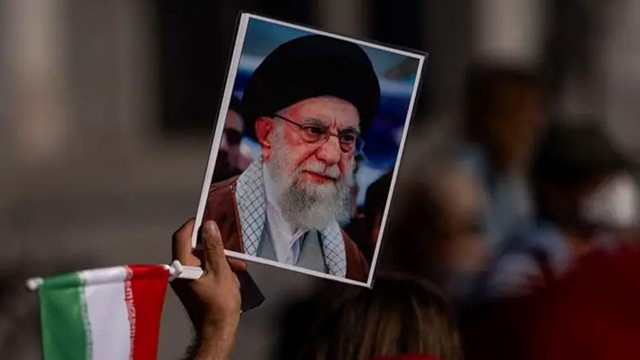
Nearly 48 hours after the joint U.S.-Israel military operation in Iran, the conflict has escalated significantly, with the skies over Tehran largely dominated by coalition forces, according to a report by CNN. The Islamic Republic has lost its Supreme Leader, Ayatollah Ali Khamenei, and missile exchanges continue across the Middle East.
Air Superiority in Iran
U.S. military forces reportedly destroyed the remnants of Iran’s air defense systems on Saturday night. Most of these systems had already been degraded in previous Israeli strikes over the past year, including Russian-supplied units. American and Israeli forces now appear to maintain full aerial dominance, allowing coalition aircraft to operate in Iranian airspace with relatively low risk.
Disorder Among Iranian Leadership
Within hours of the operation, 48 senior Iranian officials, including Khamenei, were reportedly killed. Since the 1979 revolution, power in Iran has rarely changed hands, and the loss of top leaders has created uncertainty and disarray. Iranian Foreign Minister admitted in an interview that some military units may be operating independently, without clear communication with the upper chain of command, highlighting confusion over who is currently in control.
Uncertainty in Succession
The constitutional process to appoint Khamenei’s replacement is ongoing, theoretically managed by an interim council including the President, Chief Justice, and a designated religious leader. However, none of these figures have appeared publicly. Israeli and U.S. aircraft continue to strike Iranian leadership targets, including areas near former President Mahmoud Ahmadinejad’s residence. Khamenei lacks a clear successor; potential candidates, such as former President Ebrahim Raisi, died in a helicopter crash two years ago, and his son Mojtaba faces significant obstacles. This absence of a defined successor could weaken the Islamic Republic’s governance in the coming days.
Missile Exchanges
Iran has retaliated by striking U.S. bases, while coalition forces focus on neutralizing Iran’s missile launchers. Iran has large reserves of short- and medium-range missiles capable of striking nearby targets like Iraq and Gulf states, though long-range missiles capable of reaching Israel are limited. The operational status of these launchers will influence the trajectory of the conflict.
Impact on Gulf States
Iranian missiles have struck both U.S. bases and civilian infrastructure—including hotels and residential areas—in Saudi Arabia, the UAE, Qatar, Bahrain, Kuwait, and Oman. Although Gulf states sought to remain outside the conflict, Iran’s strikes have drawn them in, raising questions about potential responses and the risk of broader escalation. The UK, France, and Germany have also signaled they may join operations against Iran.
Limited Support from China and Russia
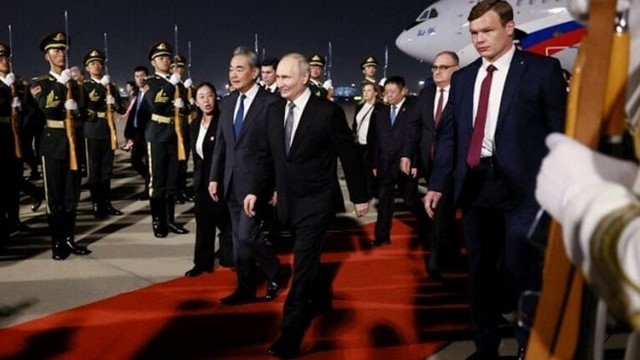
Historically, Iran has relied on strategic partnerships with Russia and China. Russian-supplied air defense systems have now been destroyed, and Russia lacks capacity to replace them. China, heavily reliant on Iranian oil via the Strait of Hormuz, has shown minimal response, suggesting Iran is largely isolated in the battlefield.
Proxies Remain Inactive
Iran has cyber capabilities, proxy militias, and naval routes it could exploit. So far, these remain largely inactive. Hezbollah and Iraqi militias have avoided direct engagement, indicating either disarray or preparation for a larger operation.
Energy Market Disruption
Prolonged conflict threatens global oil prices, especially if shipping through the Strait of Hormuz is disrupted. OPEC, led by Saudi Arabia, has pledged to increase production by 206,000 barrels per day, yet prices surged 10% at market opening. The global oil market is more resilient now due to U.S. production, so long-term disruption may be limited.
Military Advantage vs Political Outcomes
While U.S. forces enjoy technological and operational superiority, military success alone may not determine political outcomes. New Iranian leaders may remain committed to revolutionary and anti-Western policies despite battlefield losses.
No Clear Endpoint
The conflict’s trajectory remains uncertain. Washington has achieved early military gains, but no clear “exit point” is evident. Potential civil unrest in Iran could provoke harsh suppression, raising questions about further U.S. intervention. How the coalition balances military pressure with political consequences will be critical in the coming days.
The situation remains fluid, with rising tensions and an unpredictable outcome.