২২ আশ্বিন ১৪৩৩



Surprise Troop Deployment Sparks Strategic Confusion and Uncertainty Across Europe
23 May 2026 02:05 AM
NEWS DESK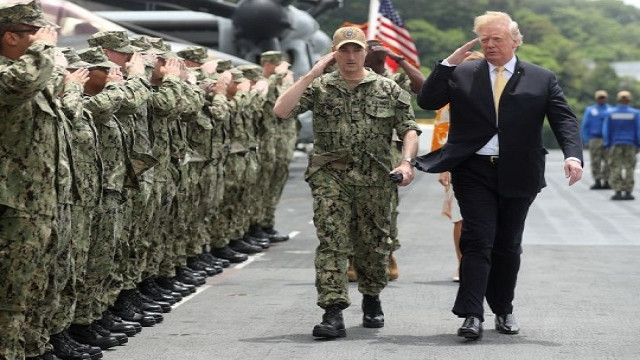
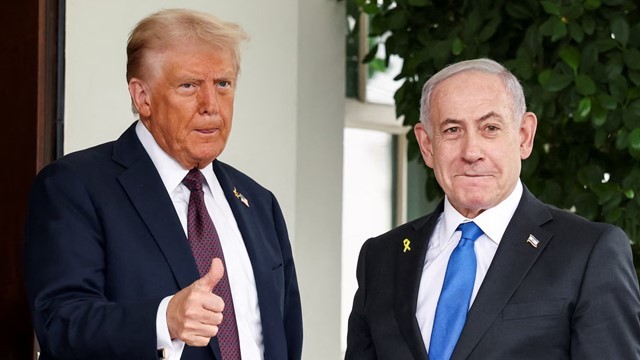
President Donald Trump has abruptly announced a plan to deploy 5,000 additional troops to Poland, citing his strong relationship with the newly elected Polish President Karol Nawrocki.
While Warsaw warmly welcomed the decision as a testament to mutual respect and shared security commitments, the sudden move has intensified strategic ambiguity among transatlantic allies. Coming just days after a previously scheduled deployment was scrapped, this unpredictable policy shift complicates long-term defense planning for European NATO partners, leaving them confused over which areas to prioritize.
This latest decision represents a sharp U-turn from the administration's "America First" rhetoric, which previously hinted at a reduction of military footprints overseas. For years, the White House has heavily criticized European allies for failing to meet defense spending targets—a frustration that recently peaked when several nations refused to support ongoing Middle Eastern military campaigns. Additionally, prior friction with Berlin had triggered threats of massive troop withdrawals from Germany, leaving regional officials scrambling to assess the reliability of external defense commitments.
Against this backdrop of diplomatic friction, a pivotal meeting of NATO foreign ministers is set to take place in Sweden, with Secretary of State Marco Rubio in attendance. Discussions are expected to focus on demanding that member nations increase their financial contributions and bear greater responsibility for their own security. While NATO Secretary-General Mark Rutte welcomed the reinforcement in Poland, he warned that Europe must urgently reduce its reliance on external powers. With the ongoing conflict in neighboring Ukraine and growing anxiety over territorial stability, allied leaders are increasingly realizing the need to build independent defense capabilities.