২ কার্তিক ১৪৩৩



Google Seeks Approval to Release 32 Million Sterile Mosquitoes in U.S. Anti-Disease Project
03 June 2026 09:06 AM
NEWS DESK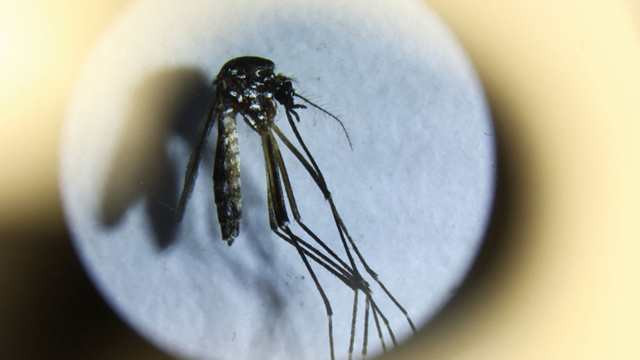
In a project that resembles the process of fixing software bugs, technology giant Google is seeking permission from U.S. regulators to release 32 million sterile mosquitoes in an effort to reduce populations of disease-carrying insects.
According to reports, the initiative is part of Google's "Debug" program, which aims to combat mosquito-borne diseases by releasing specially bred sterile male mosquitoes into the environment. The project targets mosquito species responsible for spreading illnesses such as dengue fever, Zika virus, chikungunya, yellow fever, and other infectious diseases.
Mosquitoes are among the world's deadliest animals, transmitting diseases that kill hundreds of thousands of people annually. Public health experts have long sought innovative ways to control their populations beyond traditional insecticides.
According to a notice published by the United States Environmental Protection Agency, regulators are reviewing an application to release up to 16 million mosquitoes annually in both California and Florida over a two-year period. A final decision is expected after the public comment period closes on June 5.
The project focuses exclusively on male mosquitoes, which do not bite humans and do not transmit diseases. Scientists involved in the program introduce a naturally occurring bacterium known as Wolbachia into male mosquitoes. When these males mate with wild female mosquitoes, the eggs fail to hatch, gradually reducing mosquito populations over successive generations.
Google has explained that this approach causes mosquito numbers to decline naturally over time without relying heavily on chemical insecticides.
The effort originated within Alphabet Inc. through the company's experimental research division and later became part of the health technology initiative known as Verily Life Sciences. Verily confirmed that Google assumed full ownership of the Debug project in late 2024.
Although the idea of producing bacteria-infected mosquitoes in a technology company's laboratory may seem unusual, the underlying science is well established. The technique, known as the Sterile Insect Technique (SIT), has been used for decades to control agricultural pests and disease-carrying insects.
Eric Caragata, an assistant professor at the University of Florida, noted that Wolbachia-based mosquito sterilization has been studied and implemented for roughly 15 years.
The project currently targets the mosquito species Aedes aegypti, which is responsible for transmitting dengue, Zika, yellow fever, and chikungunya.
Google says its engineers and scientists use advanced sensors, data analytics, and AI-powered computer vision systems to automate mosquito breeding and accurately separate male mosquitoes from females. One of the biggest technical challenges is ensuring that only sterile males are released and that they are deployed in the right locations and quantities.
The Debug project has already reported promising results in Singapore. According to data cited by the company from Singapore's National Environment Agency, large-scale releases of Wolbachia-infected male mosquitoes reduced Aedes aegypti populations by 80–90 percent in targeted areas. Dengue cases reportedly fell by more than 70 percent within six to twelve months of deployment.
Project leader Linus Upson said the initiative was designed to use technology to scale mosquito-control efforts and extend the benefits to regions heavily affected by dengue fever, particularly across Asia, where a large share of global dengue cases occur.
The company says the success of its Singapore program has encouraged it to expand the technology and explore wider deployment in other regions, subject to regulatory approval.