৪ কার্তিক ১৪৩৩



Germany Fails to Secure UN Security Council Seat, Blames Russian Lobbying
05 June 2026 08:06 AM
NEWS DESK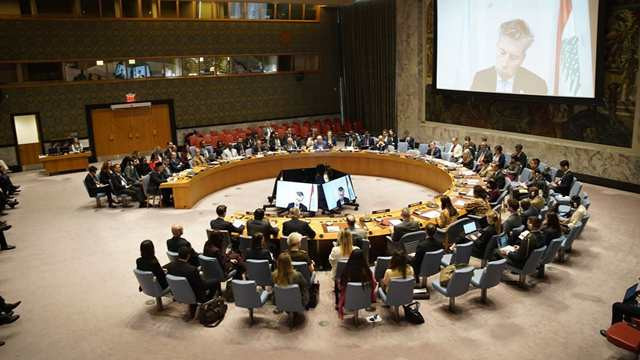
Germany has failed to win a non-permanent seat on the United Nations Security Council despite an intensive diplomatic campaign, with German officials attributing the setback partly to Russia's lobbying efforts and Germany's foreign policy positions on Ukraine and Israel.
Speaking after the election held at the United Nations General Assembly on Wednesday, German Foreign Minister Johann Wadephul described the outcome as a "bitter defeat."
Germany competed for one of two seats allocated to the Western European and Others Group (WEOG). However, the seats were won by Portugal and Austria, which received 134 and 131 votes respectively. Germany secured 104 votes.
Wadephul said Germany's unwavering support for Ukraine may have cost it support among some member states.
"It is no secret that Russia does not want a voice like Germany's on the Security Council," he said, alleging that Russia had conducted extensive lobbying against Berlin's candidacy.
He also suggested that Germany's strong sense of responsibility toward Israel amid the ongoing Middle East crisis may have influenced voting decisions. According to Wadephul, Germany's positions on certain international issues do not always align with those of all UN member states.
Russia did not immediately respond to the allegations.
What Is the UN Security Council?
The United Nations Security Council is the most powerful body within the United Nations and bears primary responsibility for maintaining international peace and security.
Established in 1945 following World War II, the Security Council is the only UN body authorized to adopt legally binding resolutions. Its powers include imposing economic sanctions, authorizing peacekeeping missions, enforcing arms embargoes, and approving the use of military force.
The council consists of 15 members. Five countries — United States, United Kingdom, Russia, China, and France — are permanent members with veto power. The remaining 10 seats are held by non-permanent members elected for two-year terms without veto authority.
Newly Elected Members
The five countries elected as new non-permanent members are Austria, Kyrgyzstan, Portugal, Trinidad and Tobago, and Zimbabwe.
They will begin their terms on January 1, 2027, and serve until the end of 2028.
Kyrgyzstan was elected to the Security Council for the first time in its history. It secured the required two-thirds majority after four rounds of voting against the Philippines for the Asia-Pacific seat.
Why the Seat Mattered to Germany
Germany is one of the world's largest economies and the second-largest financial contributor to the United Nations. For years, Berlin has advocated for reform of the Security Council and has sought permanent membership alongside Japan, India, and Brazil.
Since taking office, Chancellor Friedrich Merz has pledged to strengthen Germany's international role, making the Security Council campaign a significant diplomatic objective.
Following the result, Merz said Germany had pursued the seat with determination but had fallen short of its goal.
"Germany's responsibilities and role within the United Nations will not change. We will continue to serve as a reliable partner of the multilateral international order," he said.
Ahead of the vote, Wadephul had called for Security Council reform and greater representation for countries from the Global South.
Meanwhile, Khalilur Rahman was elected President of the 81st session of the United Nations General Assembly on Tuesday. He is scheduled to assume office when the new session begins in September.