[email protected] বৃহঃস্পতিবার, ১১ জুন ২০২৬
২৮ জ্যৈষ্ঠ ১৪৩৩

Iran-Israel Conflict Escalates as Tehran Shifts Toward Direct Military Confrontation

11 June 2026 20:06 PM

NEWS DESK

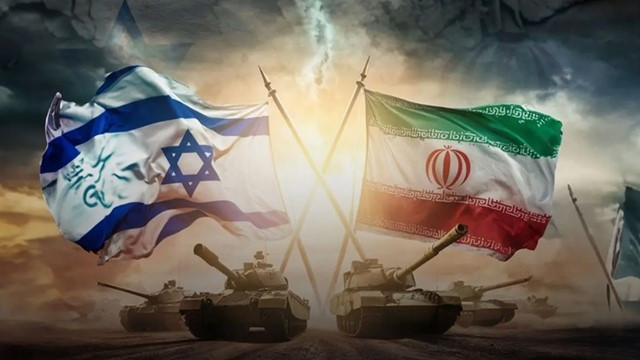
Photo: Graphics

Iran has carried out a direct attack on Israel this week, marking what analysts describe as one of the most significant escalations in decades of hostility between the two countries.

Until now, the conflict between Iran and Israel had largely remained in the shadows, characterized by covert operations, proxy warfare, and carefully calibrated retaliations. However, in response to Israeli strikes in Lebanon, Tehran has now moved toward overt military action, signaling a shift in its strategic posture.

According to analysts, Iran’s decision reflects an expansion of its “red lines,” which are no longer limited to its own borders. The country’s emerging leadership is reportedly more willing to take high-risk decisions in pursuit of regional influence and deterrence.

Tensions further escalated following the April 8 U.S.–Iran ceasefire agreement, which Tehran claims has been repeatedly violated by both Israel and the United States. Despite ongoing indirect diplomatic talks, Iranian officials allege that U.S. forces have continued strikes on Iranian-linked targets, prompting retaliatory attacks on American and Gulf-linked positions.

Iran has also warned that if diplomacy fails, the conflict could expand beyond the Persian Gulf to the Indian Ocean, the Red Sea, and even the Mediterranean—signaling a broader regional dimension to the confrontation.

The situation intensified earlier this week after reports of a U.S. military helicopter being shot down, followed by a series of tit-for-tat attacks between U.S. and Iranian forces from Tuesday night into Wednesday.

Iranian officials say the recent strike on Israel demonstrates a new doctrine: attacks on Iranian allies will now be met with direct retaliation from Tehran itself. The stated objectives reportedly include breaking the diplomatic deadlock and reinforcing support for Hezbollah amid ongoing regional tensions.

Iran’s lead negotiator Mohammad Bagher Ghalibaf said the ceasefire agreement has been repeatedly violated in practice, adding that Iran’s response will continue unless genuine efforts to build trust are made.

Foreign Ministry spokesperson Esmail Baghaei also rejected the idea of unilateral compliance, arguing that Iran cannot be expected to adhere to a ceasefire while Israel and the United States continue military operations.

Observers say this marks a notable shift in Iranian policy. Unlike earlier years—such as the restrained retaliation after the 2020 killing of General Qassem Soleimani, or the calibrated response to joint U.S.–Israeli strikes in 2025—Tehran now appears less inclined toward proportional responses and more willing to escalate directly.

Trita Parsi, Executive Vice President of the Quincy Institute, described the development as the first time in decades that a regional power has demonstrated both the capability and willingness to directly confront Israeli military actions.

Meanwhile, Iran’s Tasnim News Agency quoted a military source warning that any assumption by Israel or the United States that “controlled escalation” can contain Iranian responses is fundamentally mistaken.

Former head of the Iranian military intelligence division on Israel, Danny Citrinowicz, wrote on X that recent developments indicate Iran’s leadership now believes that what cannot be achieved through diplomacy may be pursued through military force.

The situation underscores growing fears that the long-running shadow conflict between Iran and Israel is entering a more open and unpredictable phase, with wider regional implications.


Comments Here:

Related Topic