১ আশ্বিন ১৪৩৩



Japan, U.S. Launch Joint Currency Intervention to Stabilize Yen
02 August 2026 15:08 PM
NEWS DESK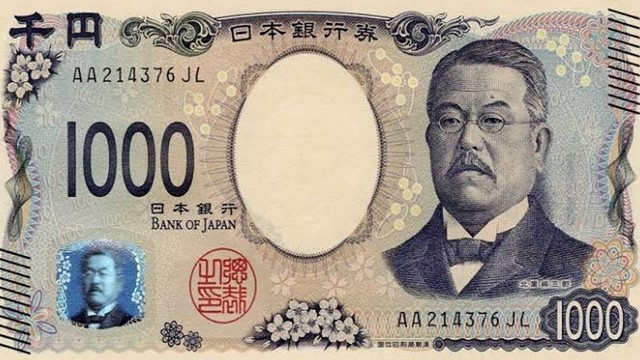
Japan and the United States have jointly intervened in the foreign exchange market to stabilize the Japanese yen, which recently fell to its weakest level against the U.S. dollar in nearly four decades.
Japan's Finance Minister Satsuki Katayama is expected to formally announce the coordinated action on Monday, according to Japanese government officials.
Two Japanese government officials told Reuters that Tokyo and Washington have worked together to curb the yen's rapid depreciation against the dollar. Speaking on condition of anonymity due to the sensitivity of the matter, the officials said the intervention reflects a shared determination to prevent excessive weakness in Japan's currency.
One official said Katayama's statement would emphasize the two countries' commitment to addressing the yen's sharp decline. Asked whether the intervention was still underway, the official replied, "Yes, the operation is ongoing."
Japan's Ministry of Finance declined to comment immediately, while the U.S. Treasury Department did not respond to Reuters' request for comment.
Market sources said Japan and the United States have intervened several times in recent days by purchasing yen in the currency market. The move marks the first coordinated intervention by the two countries since 2011 and aims to reverse the yen's slide to its lowest level against the dollar since 1986.
According to one source, the Japanese government sold U.S. dollars to buy yen during trading in New York last Thursday. Data from the Bank of Japan (BOJ) also suggests authorities may have sold approximately $58.97 billion worth of dollars to support the Japanese currency.
Hours after Japan's initial intervention, the Bank of Japan kept its monetary policy unchanged but signaled that an interest rate hike could come sooner than previously expected.
Analysts say the widening interest rate gap between Japan and the United States—driven largely by the Federal Reserve's relatively tighter monetary policy—has been a major factor behind the yen's prolonged weakness.
The yen strengthened sharply on Friday shortly after BOJ Governor Kazuo Ueda explained the central bank's policy decision at a news conference. Market participants believe Japanese authorities may have conducted another round of yen-buying intervention during that period.
Following the currency's rebound, Japan's top currency diplomat, Atsushi Mimura, told reporters that authorities would manage foreign exchange policy "in close coordination with monetary policy," signaling continued cooperation between the Ministry of Finance and the Bank of Japan.
On the same day, the U.S. Treasury Department reportedly informed several major banks that it could intervene in the yen market and advised them to be prepared.
Last week, U.S. Treasury Secretary Scott Bessent also suggested that the yen appeared significantly undervalued, adding to speculation about closer policy coordination between the two governments.
In another indication of cooperation, Japan's Ministry of Finance posted a rare message in English on social media platform X, stating that the government has multiple tools available to address liquidity pressures in financial markets. These include temporary access to U.S. dollar liquidity through the Federal Reserve's repurchase (repo) facility.
The facility, introduced during the COVID-19 pandemic in 2020, allows Japan to obtain U.S. dollars without selling its holdings of U.S. Treasury securities, reducing funding pressure for future currency interventions in support of the yen.
Analysts note that sustained intervention to strengthen the yen could eventually require Japan to sell a substantial amount of its U.S. Treasury holdings, potentially putting downward pressure on Treasury prices and pushing bond yields higher.
Former Bank of Japan official Nobuyasu Atago told Reuters that both Japan and the United States face the risk of renewed inflation, making policy coordination increasingly beneficial.
"Both countries are at risk of inflation picking up again. In such an environment, their central banks could fall behind the curve, making cooperation the more practical approach," Atago said.
Meanwhile, Japan's Minister for Economic Affairs, Minoru Kiuchi, expressed concern over rising yields on Japanese government bonds (JGBs), saying the government would strengthen its communication with financial markets.
Speaking on a television program on Sunday, Kiuchi stressed that maintaining market confidence in Japan's fiscal management and financial stability remains a top priority.