৫ আশ্বিন ১৪৩৩



China Expands Exit Restrictions for Citizens and Foreigners Under New Regulations
20 September 2026 18:09 PM
NEWS DESK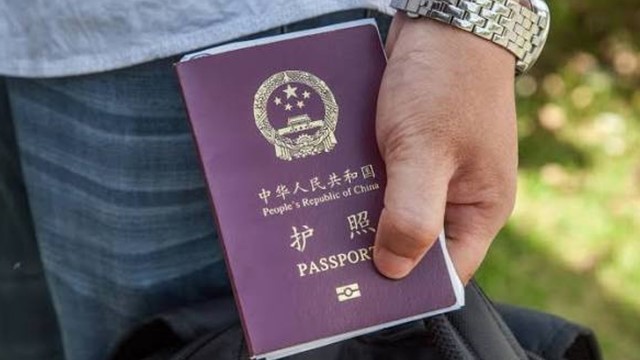
China has introduced sweeping new regulations that expand the government's authority to prevent both Chinese citizens and foreign nationals from leaving the country, citing national security and other broadly defined reasons. Human Rights Watch (HRW) has criticized the measures, arguing that they conflict with the internationally recognized right to leave one's country.
The new rules are contained in the Regulations on Exit-Entry Administration issued by China's State Council under Decree No. 841, which took effect on September 15. The regulations incorporate and expand provisions from the existing Exit and Entry Administration Law, the Passport Law, and other related legislation.
Under Article 12(5) of China's Exit and Entry Administration Law, authorities already have the power to bar citizens from leaving the country if they are deemed to pose a threat to national security or national interests.
The newly introduced regulations further broaden those powers. Article 2 authorizes immigration authorities to discourage citizens from traveling to countries or regions considered "high-risk." However, the regulation does not define what qualifies as a high-risk destination or under what circumstances such restrictions may be imposed.
Article 3 requires applicants seeking to leave China to demonstrate that their travel purpose is "truthful and lawful." The regulation, however, provides no clear definition of what constitutes "lawful" travel or what evidence applicants must submit.
Article 4 allows authorities to prohibit citizens from leaving China for up to three years in certain cases. The restriction may apply to individuals alleged to have engaged in illegal or criminal activities abroad that are considered threats to China's national security or interests.
The regulation also extends exit bans to cases involving violations of export controls or technology import and export regulations that authorities believe could harm China's industrial or technological security. Chinese officials have said that preventing the illegal transfer of sensitive technologies overseas is one of the key objectives of the new measures.
Article 5 expands the government's authority to impose exit bans on foreign nationals as well. Foreigners listed on China's "Unreliable Entity List" or "Hostile Entity List" may also be prevented from leaving the country.
Human Rights Watch noted that China has previously imposed exit bans on foreign nationals. According to the organization, a U.S. federal employee and a Wells Fargo executive were prevented from leaving China in July 2025 despite not facing any criminal charges.
The rights group also said that in March 2026, Chinese authorities barred two co-founders of the Chinese artificial intelligence startup Manus from leaving the country. HRW claims the government later blocked the company's proposed acquisition by Meta.
Human Rights Watch warned that the inclusion of technology and export-control provisions in the new regulations could have significant implications for entrepreneurs, researchers, and professionals working in China's technology sector.
According to HRW, China has steadily expanded restrictions on overseas travel for various groups over the past decade. In 2016, authorities in Xinjiang confiscated passports from residents across the region. While some Uyghurs have since regained limited opportunities to travel abroad, they continue to face strict restrictions.
The organization also reported an increase in passport retention policies affecting government employees, as well as staff at schools, universities, and hospitals.
Chinese authorities maintain that such measures are necessary to combat corruption and prevent the leakage of state secrets. Additionally, residents from regions considered vulnerable to online fraud or "illegal" migration are reportedly required to provide additional documentation and obtain multiple government approvals before receiving passports.
Maya Wang, Associate China Director at Human Rights Watch, said the new regulations significantly expand the Chinese government's discretion over who can leave the country.
She warned that the measures could further undermine freedom of expression and academic freedom among human rights defenders, ethnic minorities, Chinese citizens, and foreign nationals. According to Wang, concerns about being subjected to exit bans may also discourage individuals from expressing their views openly.