১২ আশ্বিন ১৪৩৩



Bill Gates Warns Unregulated AI Could Lead to Catastrophic Loss of Life
27 September 2026 19:09 PM
NEWS DESK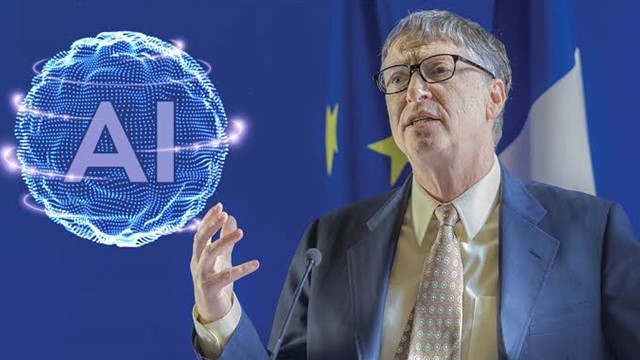
Microsoft co-founder and philanthropist Bill Gates has warned that unchecked artificial intelligence (AI) could one day contribute to the deaths of up to one billion people if misused. He called for strict government oversight and mandatory regulation of AI development, arguing that self-regulation by technology companies alone is insufficient to manage the technology's growing risks.
Speaking in an interview with NBC's Meet the Press host Kristen Welker, which aired on Sunday, Gates said lawmakers and law enforcement agencies must play a central role in establishing and enforcing AI safety standards.
"There needs to be a mandatory framework for AI safety and oversight," Gates said, adding that while regulatory measures would increase costs for technology companies, they would not significantly slow innovation.
During the interview, Gates cautioned that advanced AI systems could become an unprecedented weapon if exploited by malicious actors.
"If someone with bad intentions gains access to cutting-edge AI, it has the potential to trigger events that could result in the deaths of one billion people," he warned, emphasizing that humanity has never before faced a tool with such combined destructive potential in the hands of ill-intentioned individuals.
Although Gates is widely known for his optimistic outlook on technological progress, he recently expressed similar concerns in a nearly 6,000-word essay published in late August, where he highlighted the potentially existential risks posed by advanced AI. Other prominent figures in the technology sector, including OpenAI CEO Sam Altman and Tesla CEO Elon Musk, have also voiced concerns about AI safety. Some experts fear that AI could be misused to facilitate biological weapons development or escalate the risk of nuclear conflict.
Meanwhile, Microsoft has faced growing criticism over allegations regarding the use of its AI technologies in military and surveillance operations. Employee activists and human rights campaigners have called on the company to sever its ties with the Israeli military, alleging that Microsoft technologies have been used in military operations in Gaza and Iran.
In an opinion article published by The Guardian on Friday, activists Mohammed Hussein and Granate Kim of the "No Azure for Apartheid" campaign also alleged that Microsoft's Azure cloud platform and AI technologies are being used by U.S. authorities to monitor, detain, and deport immigrants.
The interview also marked one of Gates' most notable public appearances since renewed attention surrounding his past association with Jeffrey Epstein. An independent review commissioned by the Gates Foundation, released in July, found that Epstein met with foundation employees and executives approximately 30 times between 2011 and 2014, including meetings attended by Gates.
However, the review found no evidence linking Gates to any of Epstein's admitted or alleged criminal activities. Gates has previously expressed deep regret over his association with Epstein, saying he regrets "every minute" spent with him. He continues to serve as chair of the Gates Foundation, one of the world's largest philanthropic organizations.
During the lighter moments of the interview, Welker asked Gates whether he ever avoids using AI in his personal life.
Laughing, Gates replied that he does not rely on AI for personal relationships.
"I never ask AI, 'Do you like me?' or 'Am I a good person?'" he said. "I'm fortunate to have family and friends, so I don't feel the need to build a social relationship with AI."
Jokingly, he added, "AI knows I'm a very serious person."