১৩ আশ্বিন ১৪৩৩



U.S. and China Agree to Reduce Tariffs and Launch AI Dialogue
27 September 2026 19:09 PM
NEWS DESK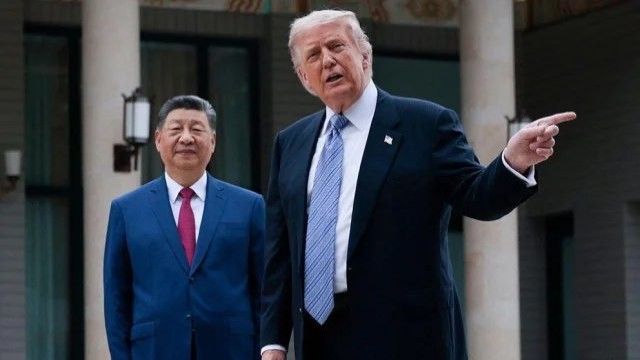
The United States and China have agreed to reduce tariffs worth nearly $30 billion on each other's goods and launch a new dialogue on artificial intelligence (AI), marking another step toward easing tensions between the world's two largest economies.
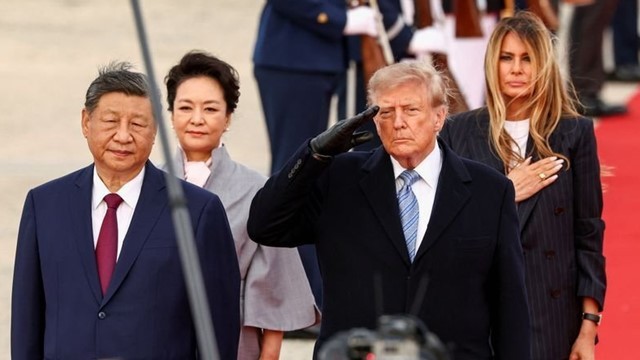
China's Ministry of Foreign Affairs announced on Saturday that the measures are part of an eight-point consensus reached during Chinese President Xi Jinping's recent visit to Washington. The two sides also agreed to establish a bilateral trade council and accelerate the implementation of commitments made during previous talks in Kuala Lumpur.
Earlier, Washington and Beijing agreed to extend their ongoing trade truce by an additional two months. The ceasefire, which had been due to expire on November 10, was prolonged to provide more time for negotiations on a broader trade agreement.
U.S. Treasury Secretary Scott Bessent said on Wednesday that the extension would give both countries additional time to prepare for what could become a comprehensive trade deal.
According to China's state-run Xinhua News Agency, the three-day summit between President Xi Jinping and U.S. President Donald Trump, which concluded on Friday, focused less on signing major formal agreements and more on strengthening personal communication and mutual trust between the two leaders.
In a statement, Chinese Foreign Minister Wang Yi said Xi's visit had made China-U.S. relations more stable and constructive. He added that the discussions had helped preserve the overall stability of bilateral ties while opening a new chapter in relations between the two countries.
As part of the understandings reached, the United States and China agreed to hold formal discussions in November on the opportunities and risks associated with artificial intelligence. The two countries also decided to establish a dedicated communication mechanism to maintain regular dialogue on AI-related issues.
China's Foreign Ministry said that amid the rapid development of AI technologies, Beijing and Washington recognize the need to expand exchanges on innovation and technological cooperation while working toward greater mutual understanding in this rapidly evolving field.
The two leaders also reached common ground on several foreign policy issues, including support for ensuring that Iran does not develop nuclear weapons and upholding the principle that no country or party using international waterways should be subjected to tariffs.