[email protected]
শনিবার, ১০ অক্টোবর ২০২৬
২৪ আশ্বিন ১৪৩৩
২৪ আশ্বিন ১৪৩৩

Friday, 9th October 2026


Delhi Braces for Protest as Activists Demand Chief Election Commissioner’s Resignation
09 October 2026 23:10 PM
NEWS DESK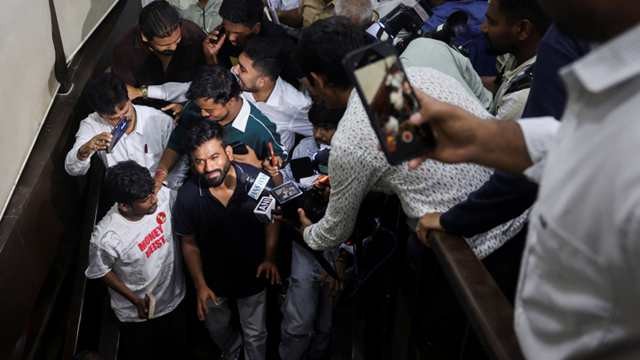
Authorities reportedly plan a 24-hour internet shutdown around Jantar Mantar, while train cancellations, metro restrictions and heavy security deployment are being considered to prevent unrest.
New Delhi is preparing for a protest on Saturday by members and supporters of the Cockroach Janata Party (CJP), who are demanding the resignation of Chief Election Commissioner Gyanesh Kumar over alleged irregularities in India’s voter lists.
Fearing that the demonstration could spread, authorities are planning to suspend internet services for 24 hours in and around Jantar Mantar and neighbouring areas, according to a report published by NDTV on Friday.
The report said police had directed mobile network operators to suspend internet services within a four-kilometre radius of the Janpath-Kartavya Path area from 10 pm on Friday until 10 pm on Saturday.
Indian Railways has reportedly cancelled 61 trains heading to Delhi from various states and regions as part of measures to prevent the protest from gaining momentum. Access to 57 metro stations has also been restricted, while 23,000 personnel from the Central Armed Police Forces have been deployed in the area.
However, the Supreme Court has raised objections to the closure of metro stations. One judge reportedly remarked, “You cannot use a hammer to kill a mosquito,” criticising what appeared to be a disproportionate response to the planned demonstration.
The court directed authorities to keep most metro stations open. Senior Delhi Police officials subsequently held a meeting to discuss arrangements for maintaining metro services.
The CJP had previously organised a protest at Jantar Mantar that reportedly led to the resignation of former education minister Gyanendra Kumar several months ago.
The party and opposition groups are now demanding Gyanesh Kumar’s resignation over allegations that millions of voters have been removed from electoral rolls. They accuse the chief election commissioner of acting at the behest of Prime Minister Narendra Modi and the central government, arguing that free and fair elections cannot be guaranteed under his leadership.
West Bengal was among the states where the alleged voter-list exclusions had a particularly significant impact, according to the claims made by the protesters.
The report alleges that around seven million people were removed from the electoral rolls in West Bengal ahead of an election, after which the BJP came to power in the state. It further claims that the names of those voters were subsequently restored to the electoral rolls following the election.
Opposition groups contend that the exclusions may have significantly influenced the electoral outcome. However, the allegations concerning the reasons for the deletions, their subsequent restoration and their impact on the election require independent verification.
Advertisement