[email protected]
শনিবার, ১০ অক্টোবর ২০২৬
২৪ আশ্বিন ১৪৩৩
২৪ আশ্বিন ১৪৩৩

Friday, 9th October 2026


Bangladesh Remains on Tier 2 in US Human Trafficking Report for 2026
10 October 2026 00:10 AM
NEWS DESK
The US State Department says Bangladesh has stepped up anti-trafficking efforts but continues to fall short of minimum standards in prosecuting offenders and protecting victims.
Bangladesh has failed to fully meet the minimum standards for eliminating human trafficking but has remained on Tier 2 in the United States’ 2026 Trafficking in Persons (TIP) Report, in recognition of its significant efforts to combat the crime.
The report was released on Thursday and published on the US Department of State’s website.
According to the report, the Bangladesh government has increased its overall efforts to combat human trafficking compared with the previous reporting period.
Key developments include the enactment of a 2026 ordinance to prevent human trafficking and migrant smuggling, increased investigations and prosecutions, updated guidelines for identifying trafficking offences and victims, and the pilot launch of a digital National Referral Mechanism (NRM) to coordinate and expedite referrals of victims to protection services.
The government has also strengthened safeguards to reduce the risk of human trafficking among migrant workers.
However, the report identified several areas where Bangladesh continues to fall short of minimum standards. The number of trafficking convictions has declined, and authorities have not taken adequate measures to address widespread trafficking within the country. Fewer victims were identified than in the previous reporting period, while protection and rehabilitation services for Rohingya refugees and returning Bangladeshi migrant workers remain inadequate.
During the reporting period, the government investigated 961 human trafficking cases involving 5,263 suspected offenders, compared with 811 cases in the previous period.
Of the cases investigated, 137 involved sex trafficking, 443 involved forced labour and 381 concerned unspecified forms of trafficking.
Prosecutions were initiated against 1,795 suspects during the same period. These included 604 suspects in sex trafficking cases, 600 in forced labour cases and 591 in other or unspecified trafficking cases. The total was significantly higher than the 452 suspects prosecuted in the previous reporting period.
Despite the increase in investigations and prosecutions, courts and tribunals convicted only 76 traffickers, down from 103 in 2024 and 407 in 2023.
Of those convicted, 35 received prison sentences ranging from three months to life imprisonment, along with fines ranging from Tk 5,000 to Tk 500,000. The government did not provide information on the sentences imposed on the remaining convicted offenders.
The report warned that imposing fines instead of proportionate prison sentences weakened the deterrent effect of punishment.
The report also highlighted shortcomings in victim identification and protection.
Authorities identified 1,135 trafficking victims during the reporting period, down from 1,462 in the previous period. Among them, 199 were victims of sex trafficking, 510 were subjected to forced labour and 426 were victims of other forms of trafficking.
The government referred 745 victims to services, compared with 1,607 in the previous reporting period.
According to official figures, only 111 victims received services, a sharp decline from 883 previously.
The government reported allocating Tk 212.78 million for victim services. However, non-governmental organisations suggested that the allocation might also include funds for the management of Rohingya refugees.
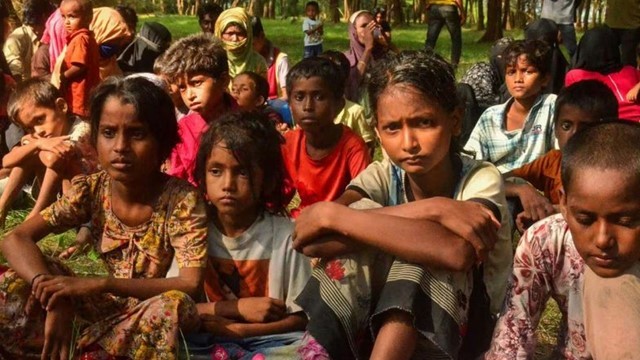
The report noted that protection and rehabilitation services remain insufficient, particularly for Rohingya refugees and Bangladeshi migrant workers returning from overseas.
The report raised concerns over the cost of recruiting workers for overseas employment.
Although the government has set legal recruitment fees ranging from Tk 85,000 to Tk 262,000, these costs can leave many workers heavily indebted, increasing their vulnerability to trafficking through debt-based coercion.
Many migrant workers reportedly pay amounts exceeding the officially prescribed limits, exposing them to further financial exploitation and potential forced labour.
The 2026 TIP Report acknowledges Bangladesh’s increased efforts to tackle human trafficking but highlights persistent weaknesses in securing convictions, protecting victims, addressing trafficking within the country and reducing the risks faced by migrant workers.
The findings suggest that stronger enforcement, more effective victim support and greater oversight of overseas recruitment practices remain essential to improving Bangladesh’s response to human trafficking.
Advertisement