২৪ আশ্বিন ১৪৩৩



Bangladesh Seeks Removal of Indian Trade Barriers, Continuation of Tariff Benefits
09 October 2026 23:10 PM
NEWS DESK
Dhaka has urged New Delhi to ease land-port restrictions, withdraw anti-dumping duties on Bangladeshi products and consider extending existing tariff preferences beyond the country’s graduation from the LDC category.
Bangladesh has strongly called for the removal of land-port restrictions and non-tariff barriers affecting its exports to India, while seeking the withdrawal of anti-dumping duties on Bangladeshi jute products and polyethylene terephthalate (PET) film.
Dhaka has also urged New Delhi to consider maintaining existing tariff preferences for Bangladeshi exports after the country graduates from the least developed country (LDC) category.
These issues featured prominently on Bangladesh’s agenda at the 16th meeting of the Bangladesh-India Joint Working Group on Trade, which began in New Delhi on Thursday and continued on Friday, according to a press release from Bangladesh’s Ministry of Commerce.
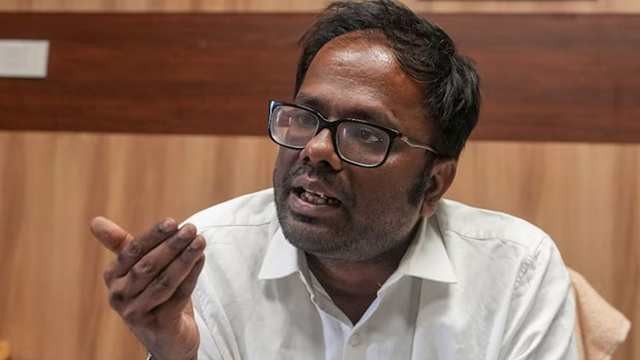
A 10-member Bangladeshi delegation led by Ayesha Akter, additional secretary at the Ministry of Commerce, attended the two-day meeting.
The discussions focused on resolving bilateral trade barriers, improving land-port capacity and making regional freight transportation more efficient. Both countries also presented proposals to ease existing import-export restrictions and improve connectivity.
Bangladesh seeks easier access to Indian markets
Bangladesh has called on India to review and withdraw existing restrictions on the export of Bangladeshi goods through Indian land ports to protect the interests of domestic exporters.
The two sides are also discussing ways to address tariff and non-tariff barriers, along with other trade-remedial measures that affect access to the Indian market.
Another key priority for Dhaka is ensuring that its exporters can continue to benefit from preferential tariffs after the country graduates from the LDC category. Bangladesh has proposed considering the continuation of benefits currently available under the South Asian Free Trade Area (SAFTA) agreement beyond graduation.
The delegation has also stressed the need to harmonise product standards, establish mutual recognition arrangements and simplify procedures for obtaining necessary certification from the Bureau of Indian Standards (BIS).
Transit and regional connectivity in focus
Expanding transportation opportunities for Bangladeshi goods is another priority. Bangladesh has placed on the agenda a proposal to expand access for freight trucks travelling from Bangladesh to Nepal and Bhutan through Indian territory.
Dhaka has also called for making the chief executives’ forum (CEOs Forum) more effective to strengthen direct communication and cooperation between businesses in the two countries.
To facilitate smoother cross-border trade, Bangladesh has highlighted the need to upgrade infrastructure at India's land customs stations.
Its proposals include improving access roads, parking yards, warehouses and storage sheds, as well as expanding facilities for cargo inspection and quarantine. Increasing the capacity of border land ports and speeding up cargo clearance procedures have also featured prominently in the discussions.
India raises export restrictions and connectivity issues
India, meanwhile, has proposed removing restrictions at designated land ports on exports of cotton yarn and other goods to Bangladesh.
New Delhi has also raised barriers affecting exports from India's northeastern states to Bangladesh, alongside proposals to improve regional connectivity and expand multimodal transportation networks.
The discussions include improving the efficiency of the Akhaura-Agartala link and other relevant commercial routes, strengthening Bangladesh-India rail connectivity and addressing issues concerning border haats, or cross-border markets.
Both sides are also focusing on improving the efficiency of land ports, customs procedures and border operations to reduce the time and costs associated with bilateral trade.
Scope for expanding bilateral trade
Bangladesh and India have significant opportunities to expand trade by capitalising on their geographical proximity and regional connectivity.
However, realising that potential will require not only improved market access but also the removal of logistical bottlenecks affecting the movement and clearance of goods at border crossings.
The Joint Working Group meeting is expected to help advance discussions on these issues and pave the way for practical measures to facilitate trade between the two neighbouring countries.