[email protected]
শুক্রবার, ৬ নভেম্বর ২০২৬
২২ কার্তিক ১৪৩৩
২২ কার্তিক ১৪৩৩

Friday, 6th November 2026


Arab Alliance Backs Gadi Eisenkot for Israeli Government Formation, Giving Him Potential Support of 67 Lawmakers
05 November 2026 22:11 PM
NEWS DESK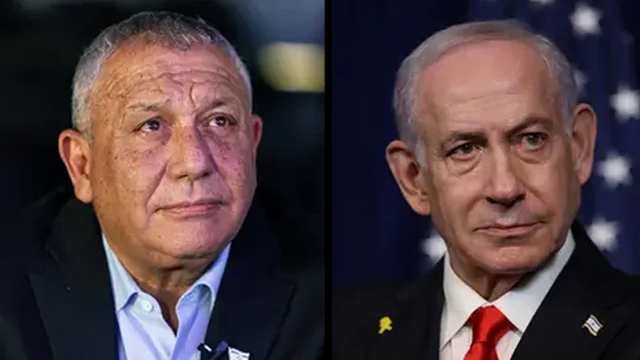
Israeli opposition leader Gadi Eisenkot is set to receive the backing of a majority of lawmakers in the country's parliament, the Knesset, after the Arab Joint List alliance announced its support for him as the candidate to form the next government.
The announcement was made on Thursday. According to Israeli news outlet Ynet, Eisenkot could secure the support of 67 members of the 120-seat Knesset if the Joint List formally submits its recommendation to President Isaac Herzog.
The alliance said it would officially recommend Eisenkot during consultations with the president over whom he should task with forming the next government.
Eisenkot is the leader of the Yashar Party.
In a statement, the Joint List said: “We have decided to support Gadi Eisenkot.”
The alliance added that the decision was reached unanimously following discussions among its constituent parties, although it acknowledged that the choice had not been easy.
The Joint List said it was determined to remove Prime Minister Benjamin Netanyahu from power. However, it noted that Eisenkot's opposition bloc had yet to demonstrate sufficient willingness to challenge Netanyahu's policies, confront incitement against Arab citizens and resist attempts to undermine the legitimacy of their political choices.
If all 11 lawmakers from the Joint List formally recommend Eisenkot, his total support would rise to 67, exceeding the 61 seats required for a parliamentary majority.
In the October 27 election, Netanyahu's coalition secured 53 seats, while the non-Arab opposition parties won 48 seats. Arab-led parties collectively secured 19 seats.
Earlier, the Ra'am party, which holds eight seats, had also announced its support for Eisenkot.
However, lawmakers' recommendations do not automatically mean that a governing coalition has been formed.
Instead, President Isaac Herzog will consider the recommendations when deciding whom to nominate to form the next government.
Meanwhile, opposition parties have agreed to coordinate efforts to form a new government.
They have also agreed to begin discussions on policy priorities, political direction and potential coalition agreements.
The latest developments mark a significant stage in negotiations over the formation of Israel's next government, although the final outcome will depend on the president's decision and the ability of the opposition parties to reach a workable coalition agreement.
Advertisement