২২ আশ্বিন ১৪৩৩



Americans Dip Into Savings During Holiday Season Amid Economic Anxiety, Survey Finds
17 December 2025 05:12 AM
NEWS DESK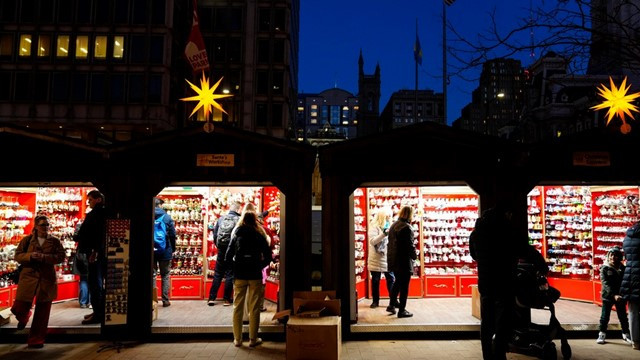
From Thanksgiving through New Year, the roughly six-week period is traditionally considered the holiday season in the United States. This year, however, many Americans are dipping into their savings to cover holiday expenses, while a large portion of consumers are actively searching for discounts and lower-priced goods.
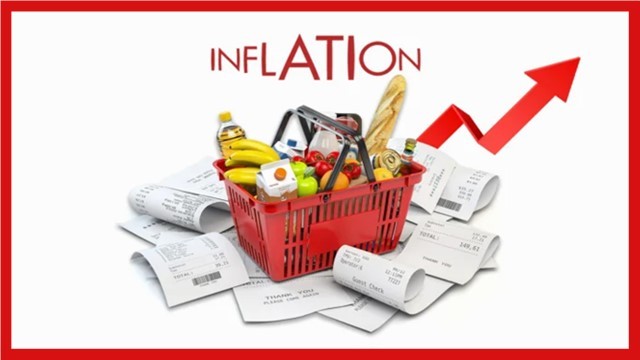
Despite inflation figures not appearing exceptionally high on paper, growing economic inequality and sluggish economic momentum are putting increasing pressure on ordinary consumers in the world’s largest economy. As a result, many households are relying on savings to manage holiday spending, according to a joint survey conducted by the Associated Press (AP) and the NORC Center for Public Affairs Research.
A large share of US adults reported that grocery items, electricity, and gift prices have remained higher than normal for several months. Nearly half of respondents said purchasing the gifts they had originally planned has become difficult. A similar proportion said they are postponing major purchases or cutting back more sharply on non-essential spending than usual.
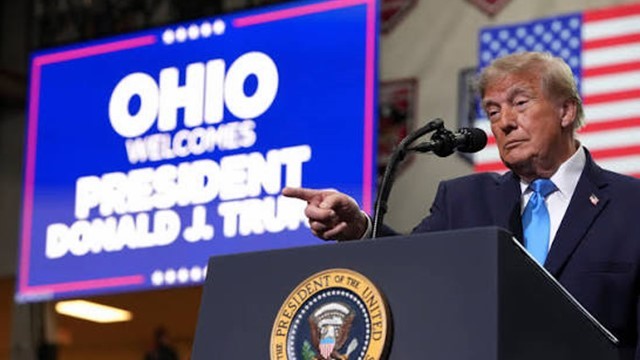
President Donald Trump returned to the White House promising to bring down prices, but inflation has now become a challenge to his popularity. A similar situation had earlier affected Democratic President Joe Biden. Public sentiment in the latest survey closely resembles the findings of the AP–NORC poll conducted in December 2022.
Soon after taking office, Trump imposed steep tariffs on imports. Those tariffs have ultimately been passed on to US consumers, contributing to rising prices and renewed concerns about economic stability. Overall, prices remain at levels many Americans find frustrating. Trump, however, has repeatedly insisted that there is no inflation and that the US economy is performing well. He has also expressed dissatisfaction with public opinion polls, writing recently on his social media platform Truth Social: “When will people understand what’s really happening? When will the polls reflect this great time in our country and how bad things were just one year ago?”
According to the survey, 68 percent of US adults believe the economy is in “poor” condition—unchanged from a poll conducted last December before Trump returned to the White House.
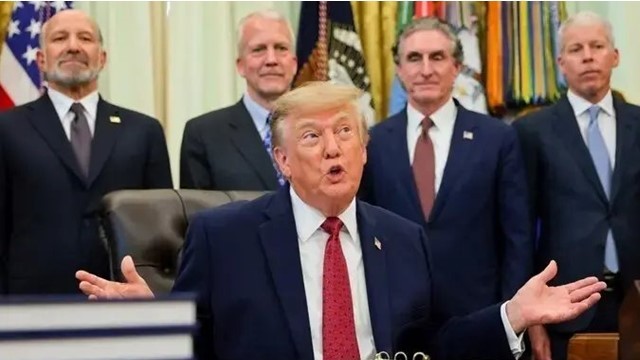
Commenting recently on tariff-driven price increases, Trump suggested that “children should buy fewer toys and pencils.” The remark was unpopular even among voters who supported him in the election, the survey found.
Nearly half of respondents said they are searching for cheaper products more than usual while shopping, and about 40 percent said they are dipping into savings at a higher rate. Democratic voters were more likely than Republicans to report cutting spending or seeking lower-priced goods, though many Republican supporters also said they are making deeper-than-usual budget cuts. About 40 percent of Republican respondents said they are increasingly seeking cheaper products, and a similar share said they are delaying non-essential purchases.
Americans expressed similar economic pessimism during the 2022 holiday season under President Biden, when inflation peaked at a 40-year high in the summer. Although inflation has eased significantly over the past three years, it remains about one percentage point above the Federal Reserve’s target, hovering near 3 percent. At the same time, the labor market has shown signs of stagnation.
Economists say that while inflation may appear moderate in aggregate terms, rising inequality and the size and complexity of the US economy mean its impact on ordinary consumers is far more severe. The survey suggests that many families are concerned not only about inflation but about the overall price level. About 87 percent of Americans said grocery prices have risen above normal levels in recent months. Nearly two-thirds reported higher electricity and holiday gift costs, while about half said fuel prices also feel elevated.
Despite widespread negative sentiment, overall consumer spending has remained relatively stable. However, Trump’s tariff policies have altered consumer behavior. Andrew Russell, a 33-year-old part-time lecturer from Arlington Heights, Illinois, said he previously bought gifts online from around the world but chose to shop locally this year due to tariffs. He also expressed concern that excessive investment in artificial intelligence could create a bubble that might eventually burst, severely impacting the stock market.
Only a small number of Americans believe the economy will improve significantly next year, suggesting Trump’s policies have yet to restore public confidence. About 40 percent of adults think the economy will worsen in the coming year, while roughly 30 percent expect little change. Only about 20 percent anticipate improvement, with Republicans generally more optimistic than others. By comparison, nearly 40 percent of Americans in 2024 believed economic conditions would improve the following year.