২২ আশ্বিন ১৪৩৩


Every Information about Maduro Passed on to US Military by Close Ally
05 January 2026 05:01 AM
NEWS DESK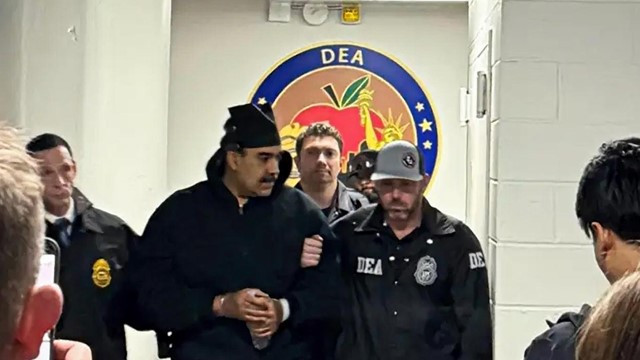
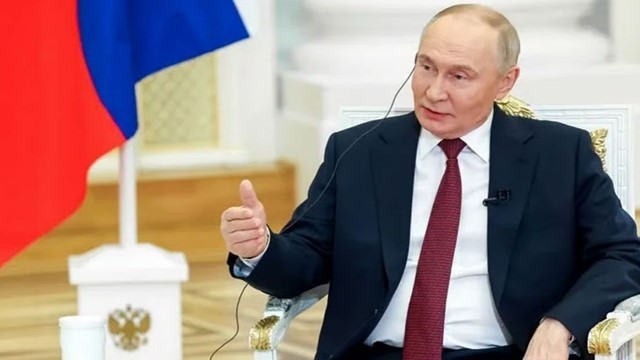
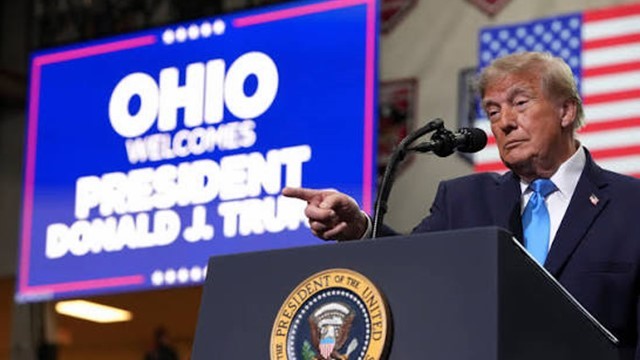
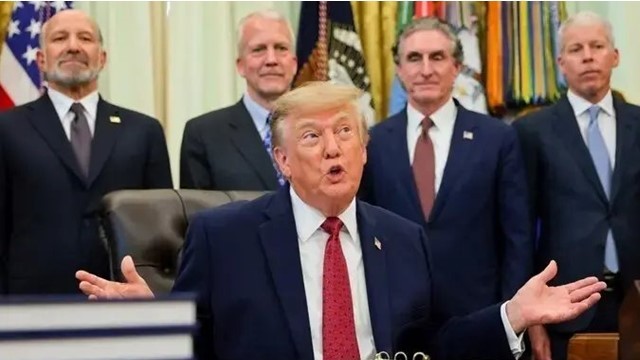
President Donald Trump said on Saturday that the US had captured Venezuela's President Nicolas Maduro after launching an attack on the country.
At a press conference in Florida, Mr Trump said Mr Maduro and his wife were on a ship bound for New York, where they have been charged with offences including narco-terrorism conspiracy.
Mr Trump said that Mr Maduro and his wife had been removed from a “heavily fortified military fortress in the heart of Caracas”.
Joint Chiefs of Staff chairman Gen Dan Caine said the operation – called Operation Absolute Resistance – was months in the planning.
“The mission was meticulously planned, drawing lessons from decades of missions over the last many years,” he said.
Gen Caine added that the extraction came “after months of work by our intelligence teammates to find Maduro and understand how he moved, where he lived, where he travelled, what he ate, what he wore, what were his pets”.
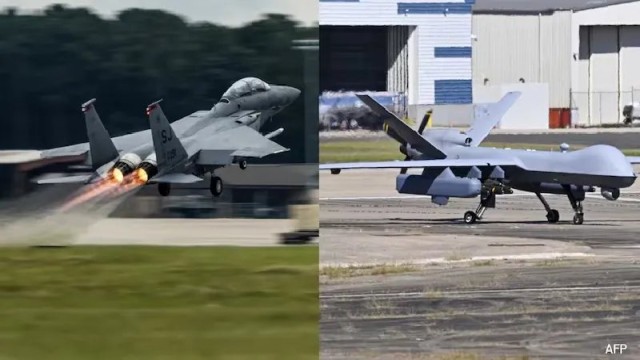
He said that agencies worked together to create a “pathway” for the extraction crew, disabling Venezuelan air defences and ensuring the safe entry of the team into the target area.
“Ground intelligence teams provided real-time updates to the ground force,” he added.
Reuters reported, quoting two sources familiar with the matter, that the CIA had a source in the Venezuelan government who helped US forces track and locate Mr Maduro.
Here are three of the most plausible scenarios for how US forces captured Mr Maduro.
Inside job
The first, and least dramatic, is an inside job. In this scenario, Mr Maduro was not overpowered but quietly abandoned.
Senior figures within Venezuela’s security or military apparatus may have withdrawn protection, restricted his movements or provided access and timing to US operators.
Authoritarian systems often collapse this way: loyalty erodes under sanctions, fear of prosecution and elite infighting. When the centre weakens, survival instincts take over. The precedent is Panama's Manuel Noriega, whose isolation by insiders in 1989 paved the way for his removal by US forces.
Swift raid
The second possibility is a decapitation raid: a short, sharp, special operations assault on a known location, followed by immediate extraction.
The US has executed such operations before, most notably the 2011 raid in Pakistan that killed Osama bin Laden, a high-risk, high-pay-off mission that would have been politically explosive had anything gone wrong.
The lure
The third scenario is deception and lure. Rather than a palace being stormed, Mr Maduro may have believed he was entering a safe setting, mediation talks, medical travel or a negotiated transfer, only to be detained once vulnerable.
This approach minimises violence and avoids street unrest, but hinges on trust that evaporates at the last moment.
For some leaders, travel and negotiations are moments of maximum exposure. Once they step outside their fortified inner circle, protection thins, jurisdiction shifts and influence disappears.
What unites all three scenarios is not firepower but preparation: months or years of intelligence work, human sources close to power, and flawless timing.