২২ আশ্বিন ১৪৩৩


Rubio Clarifies Trump’s Remarks on “Running” Venezuela, Signals Continued U.S. Pressure
06 January 2026 04:01 AM
NEWS DESK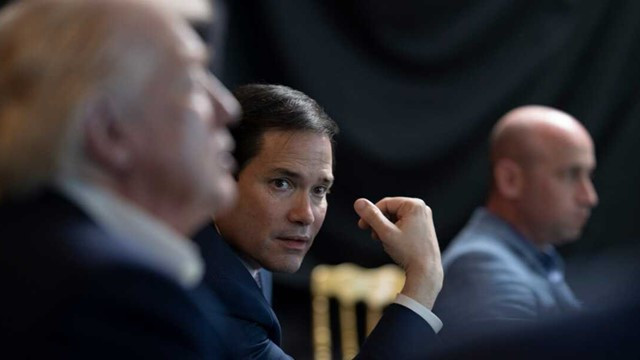
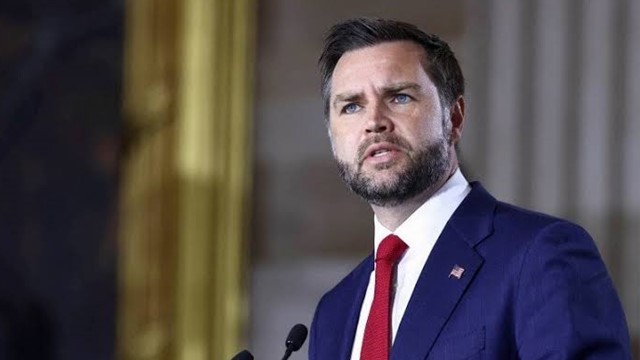
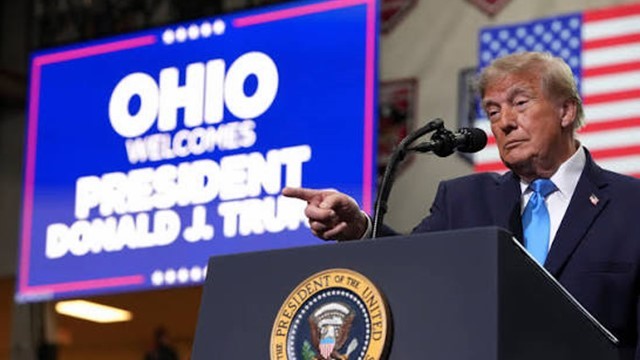
U.S. Secretary of State Marco Rubio on Sunday clarified remarks made a day earlier by President Donald Trump suggesting the United States would “run” Venezuela, stressing that Washington does not intend to directly govern the country.
Instead, Rubio said the U.S. would maintain pressure on Venezuela’s current leadership, including enforcing a military “quarantine” or blockade on the country’s oil sector, until policy changes are made.
Speaking on CBS News’ Face the Nation, Rubio rejected comparisons to the U.S. occupation of Iraq, saying Washington has no plans to install an occupying administration. Rather, he said the U.S. would force Venezuela’s existing government—operated by allies of President Nicolás Maduro—to change its policies under sustained pressure.
Rubio said U.S. forces would block oil tankers that are on the U.S. sanctions list from entering or leaving Venezuela. The blockade, he explained, would remain in place until Venezuela opens its oil industry to foreign investment, particularly from U.S. companies.
“This quarantine will remain, and it is a tremendous source of leverage for us,” Rubio said. “It will continue until we see real change—change that not only protects U.S. national interests but also ensures a better future for the Venezuelan people.”
Explaining Trump’s “Run Venezuela” Comment
Later on NBC News’ Meet the Press, Rubio appeared frustrated by what he described as excessive focus on Trump’s wording. He said Trump’s reference to “running” Venezuela did not mean direct rule, but rather controlling the direction of the country’s policies.
Rubio also said one of the largest U.S. naval deployments in modern history is currently stationed in the Caribbean, aimed at cutting off the Venezuelan government’s primary source of revenue—oil exports.
He added that President Trump has not ruled out sending additional U.S. troops to the region if required by U.S. interests.
White House and Venezuelan Response
A White House official said Rubio’s remarks were meant to clarify, not contradict, Trump’s comments, and that there is no disagreement between them. The administration, the official added, will continue diplomatic engagement with Venezuela’s current leadership.
Venezuela initially responded with strong resistance. Defense Minister Vladimir Padrino López accused the United States of violating Venezuela’s sovereignty and demanded the release of President Maduro and his wife.
In an interview with The Atlantic published Sunday, Trump warned that if Venezuela’s acting president, Delcy Rodríguez, does not “do the right thing,” she would “pay a bigger price than Maduro.”
Oil and Economic Interests
Both Trump and Rubio have openly identified Venezuela’s oil reserves as a central objective. Trump previously said the U.S. would extract “enormous wealth” from the country.
Rubio said Venezuela’s state-controlled oil industry requires major reinvestment and lacks the capacity to rebuild on its own, making foreign private investment essential.
Critics have likened the policy to 19th-century U.S. imperialism, drawing sharp criticism across Latin America. Senator Mark Warner of Virginia warned that Trump’s approach could turn the region against the United States and encourage China and Russia to adopt similar tactics elsewhere.
China, Russia, and Current Tensions
China is Venezuela’s largest oil investor and reportedly purchases around 80 percent of its oil exports. Russia also has significant interests in the country. Chevron remains the only U.S. company operating in Venezuela under a special license.
Last month, U.S. forces seized two oil tankers and pursued a Russian-flagged vessel, Bella 1, prompting an official protest from Moscow.
Opposition and Political Dynamics
While Rubio previously supported Venezuelan opposition leader María Corina Machado, Trump has now publicly rejected her, saying she lacks the public support and credibility to govern.
Rubio indicated that, for now, the U.S. would engage with Delcy Rodríguez’s government, emphasizing that Washington would judge Venezuela based on actions rather than statements.
Drug Trafficking and Cuba
Rubio said stopping drug trafficking from Venezuela is another key U.S. objective. Last year, about 115 people were killed in naval operations conducted under anti-narcotics missions. Analysts note, however, that most Venezuelan cocaine is destined for Europe, not the United States, and that Venezuela does not produce fentanyl—Trump’s primary concern.
Asked whether Cuba could be the next U.S. target, Rubio did not rule out the possibility. The son of Cuban immigrants, Rubio described the Cuban government as a major problem and said it is currently under significant strain. He suggested that a collapse of the Venezuelan government could trigger major changes in Cuba as well.