৪ কার্তিক ১৪৩৩



Trump Vows to Maintain Blockade on Iran Ports Amid Uncertain Peace Talks
22 April 2026 11:04 AM
NEWS DESK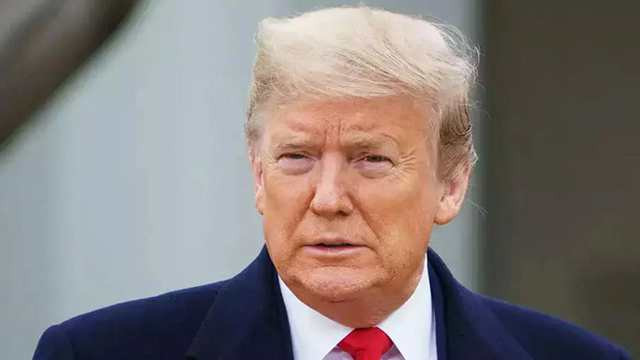
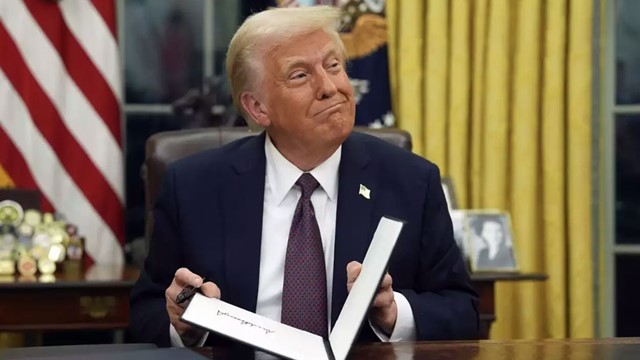
Donald Trump has announced that the United States will continue its naval blockade on Iranian ports until a new and effective agreement is reached with Iran
The strong warning comes at a time of deep uncertainty surrounding renewed peace talks aimed at ending the ongoing conflict. Writing on his social media platform Truth Social, Trump claimed that the blockade, which began a week ago, is “devastating” Iran and asserted that the United States is gaining a decisive advantage in the standoff.
His remarks come ahead of the expected expiration of a temporary ceasefire between the United States and Iran, scheduled for Wednesday. However, uncertainty remains over whether a second round of peace talks will take place in Islamabad.
Although security has been tightened in Islamabad in preparation for the negotiations, U.S. Vice President JD Vance has not yet departed from Washington. Meanwhile, Iran has not confirmed its participation in the talks.
According to the United States Central Command (CENTCOM), since the beginning of the blockade, U.S. forces have forced at least 27 ships to turn back toward Iranian ports. On Sunday, U.S. forces also seized an Iranian-flagged cargo vessel attempting to breach the blockade—marking the first such action. Video released by CENTCOM shows U.S. forces issuing warnings before boarding the ship.
Tehran has condemned the seizure as piracy and a violation of the fragile ceasefire.
Meanwhile, Iran has maintained its own restrictions in the strategically vital Strait of Hormuz for nearly two months. This has contributed to soaring global oil prices. Although the route was briefly reopened last Saturday, it was quickly shut again following reports that Tehran targeted several vessels, including a tanker.
Trump described the incident as equivalent to Iran “opening fire” and violating the ceasefire agreement. In response, Iran has made clear that it will keep the route closed unless the United States lifts its blockade on Iranian ports.
Tug-of-War Over Peace Talks
Despite ongoing tensions, there are signs of behind-the-scenes preparations for dialogue. Following the first round of talks earlier this month, Vice President JD Vance stated that Iran had been unwilling to accept U.S. conditions. Iran’s Foreign Ministry, in turn, urged Washington to refrain from what it described as excessive and unlawful demands.
The U.S. delegation is expected to include Special Envoy Steve Witkoff and Trump’s son-in-law Jared Kushner. However, it remains unclear who will represent Iran or whether it will attend at all.
In Islamabad, preparations have intensified. Guests have been evacuated from the Serena Hotel Islamabad, and major roads have been closed to facilitate the possible arrival of foreign delegations.
A senior Pakistani official expressed confidence that Iran could still be brought back to the negotiating table.
The evolving situation highlights the deep uncertainty surrounding both the ceasefire and the prospects for a diplomatic resolution, with global trade and energy markets increasingly caught in the crossfire.