১২ আশ্বিন ১৪৩৩


Leaked Intelligence Report Raises Questions Over U.S. Claims on Iran Conflict
14 May 2026 08:05 AM
NEWS DESK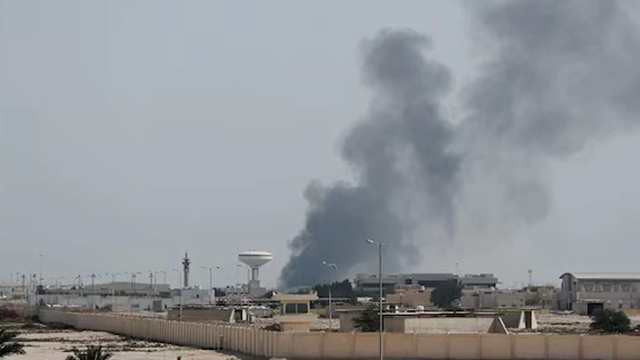
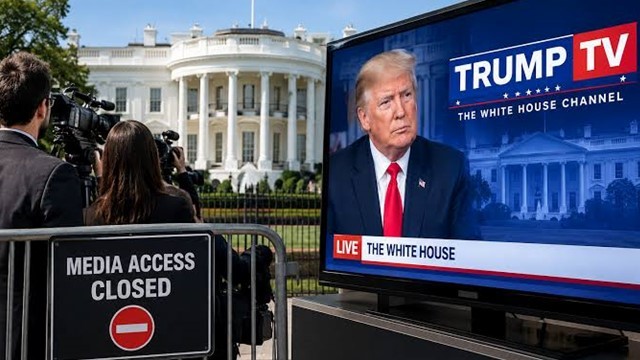
A reportedly leaked assessment from the Central Intelligence Agency and other American intelligence agencies has revealed claims that sharply contradict public statements made by U.S. President Donald Trump regarding Iran’s military capabilities.
According to the report, cited by The New York Times, nearly 70 percent of Iran’s missile stockpile remains intact despite months of attacks and sanctions. The assessment also claims that around 90 percent of Iran’s underground missile bases and launch facilities are still operational.
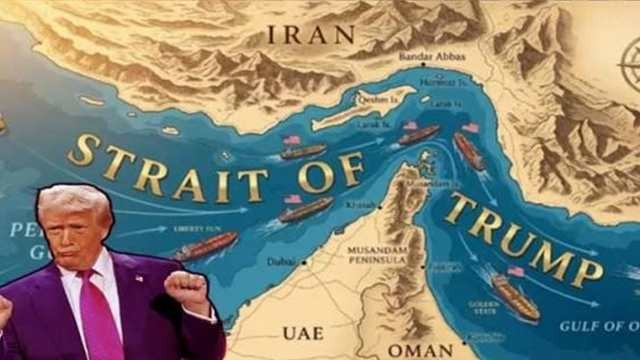
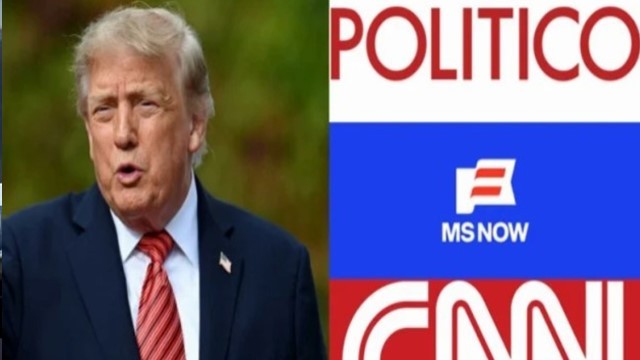
Trump had stated publicly on March 9 that Iran’s military strength had been “reduced to dust.” However, the intelligence findings reportedly suggest otherwise. The report claims that Iran has already reactivated 30 of its 33 military bases located near the Strait of Hormuz.
Analysts cited in the report warn that the restored military infrastructure could pose renewed risks to American naval forces and international oil tankers operating in the region.
At the same time, the report says the United States Department of Defense is facing pressure on its own weapons reserves. According to the assessment, the Pentagon has used approximately 1,100 stealth cruise missiles and more than 1,000 Tomahawk missiles during recent military operations — figures reportedly exceeding annual procurement levels. The use of over 1,300 Patriot interceptor missiles has also placed strain on U.S. air defense systems.
Meanwhile, Iran’s Islamic Revolutionary Guard Corps (IRGC) reportedly declared that its “Epic Rage” operation had not failed. Iranian officials are said to be presenting the country not as a defeated state, but as a victorious power seeking peace under strict conditions.
According to the report, Tehran’s conditions include an end to conflicts in Lebanon and Gaza, the lifting of all sanctions and return of frozen assets, recognition of Iran’s sovereignty in the Strait of Hormuz, compensation for war-related damages, and recognition of Iran’s right to enrich uranium.
The Trump administration has reportedly rejected these demands, dismissing them as unacceptable. However, several analysts believe Washington may now be facing a strategic deadlock.
Trump has repeatedly stated that his primary objective is to prevent Iran from obtaining nuclear weapons, even if doing so contributes to inflation or rising food prices in the United States.
Experts at Harvard Kennedy School have reportedly warned that although the Pentagon estimates the war’s direct cost at $29 billion, the long-term economic and strategic damage could exceed $1 trillion.
Amid growing regional tensions, China has reportedly encouraged Pakistan to intensify mediation efforts aimed at reopening the Strait of Hormuz.
Political analyst Mohammad Elmasry of the Doha Institute said Iran views the conflict as an existential struggle and is therefore unlikely to surrender under pressure. He suggested that Washington may eventually be forced toward a negotiated settlement.
The report also claims that an atmosphere of political tension is growing inside Washington, with critics of the administration’s Iran policy allegedly being labeled by some White House allies as sympathizers of the IRGC. Observers say the leaked intelligence has further exposed divisions within the Trump administration over the handling of the conflict.