৩০ আশ্বিন ১৪৩৩



U.S. Strategic Oil Reserve Near Historic Lows, Raising Global Energy Market Concerns
02 June 2026 10:06 AM
NEWS DESK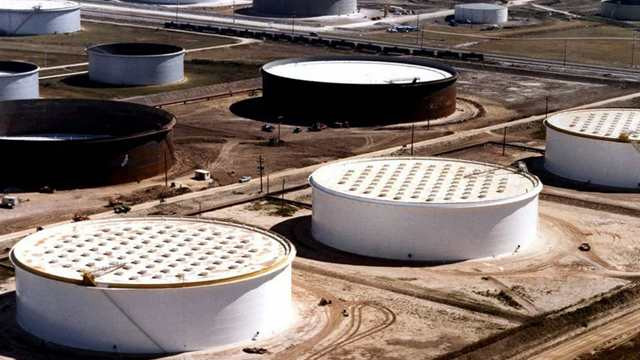
Growing concerns are emerging in global energy markets as the United States' Strategic Petroleum Reserve (SPR) continues to decline rapidly, prompting warnings from analysts about potential future pressure on both oil prices and supply.
According to a report published by CNN on May 28, the drawdown of emergency oil reserves has intensified amid ongoing disruptions in global energy supplies linked to tensions involving Iran and instability in the Middle East.
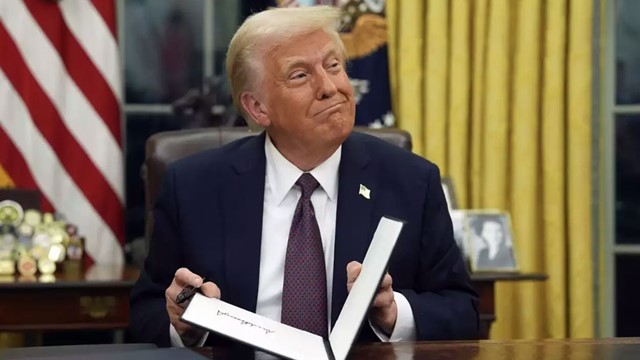
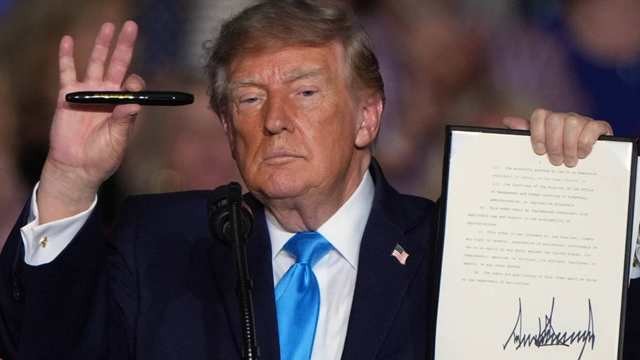
During the 2024 presidential campaign, President Donald Trump criticized the previous Joe Biden administration, accusing it of depleting the nation's emergency oil stockpile for political purposes. However, amid the current energy crisis, the Trump administration has also been releasing significant volumes of oil from the SPR to stabilize markets.
Recent data show that the amount of oil stored in the reserve has fallen to levels close to the lowest seen in decades. Analysts attribute the decline to supply disruptions caused by geopolitical tensions and shipping challenges in the Strait of Hormuz, a critical route for global oil transportation.
Matt Smith, Lead Oil Analyst at energy intelligence firm Kpler, said the reserve will eventually need to be replenished, creating additional demand in the future that could put upward pressure on oil prices.
The SPR, stored in underground salt caverns in Texas and Louisiana, is the world's largest emergency crude oil reserve. It is designed to be used during wars, natural disasters, or major supply disruptions.
The United States previously drew heavily from the reserve during the Russia-Ukraine war, reducing stockpiles from more than 630 million barrels to below 350 million barrels.
Under the current crisis, disruptions to oil shipments through the Strait of Hormuz have once again forced Washington to tap into its emergency reserves. Since the onset of tensions involving Iran, SPR inventories have reportedly declined by around 50 million barrels, falling to approximately 365 million barrels.
According to Kpler estimates, nearly half of the oil released from the SPR in April and May was exported overseas. As Middle Eastern supplies became less reliable, countries in Europe and Asia increased their reliance on U.S. crude oil.
“Right now, the United States is effectively serving as the supplier of last resort for the global market,” Smith said.
In addition to the SPR drawdown, U.S. commercial crude inventories have also been shrinking. At Cushing, Oklahoma—the key storage hub that serves as the delivery point for West Texas Intermediate (WTI) crude—stockpiles have fallen by roughly 8.5 million barrels over the past seven weeks.
Current inventories at Cushing are estimated at around 24.5 million barrels, approaching the minimum operational level required to maintain normal market functioning, analysts say.
Helima Croft, Head of Global Commodity Strategy at RBC Capital Markets, warned that storage levels could fall to dangerously low levels if current trends continue. Nevertheless, hopes for a potential diplomatic breakthrough between the United States and Iran have provided some relief to energy markets.
With both emergency and commercial inventories declining, speculation has emerged that Washington could consider restricting crude oil exports. The White House, however, has stated that no such measures are currently under consideration.
Analysts note that export restrictions could temporarily reduce fuel prices in the United States but would likely increase volatility in global energy markets and negatively affect U.S. oil producers and refiners.
Smith added that if inventories continue to fall, market forces alone may naturally reduce U.S. oil exports. The larger concern, however, is where countries around the world would obtain additional crude supplies if the United States loses its ability to act as the market’s primary backup supplier.