২ আশ্বিন ১৪৩৩


U.S.–Iran MoU Sparks Diplomatic Friction With Israel Over Access to Deal Details
18 June 2026 21:06 PM
NEWS DESK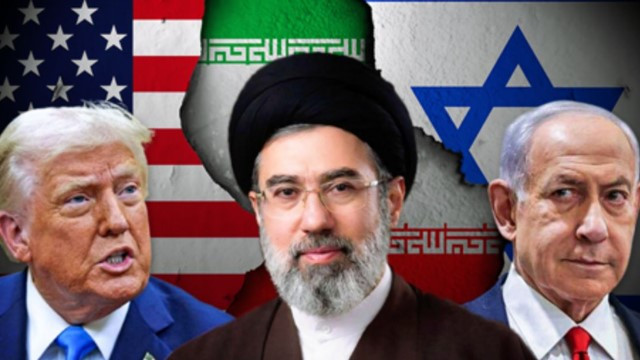
A newly signed memorandum of understanding (MoU) between the United States and Iran has triggered diplomatic tension between Washington and Tel Aviv, with reports suggesting that Israel was denied access to the full text of the agreement.
According to reports cited by U.S. and Israeli media, Israeli officials were briefed on the outline of the deal but were not provided with the complete document, despite requesting it from Washington.
The agreement—signed digitally on Sunday—reportedly extends a fragile ceasefire between the two countries for 60 days and reopens the strategic Strait of Hormuz, although many details remain unclear.
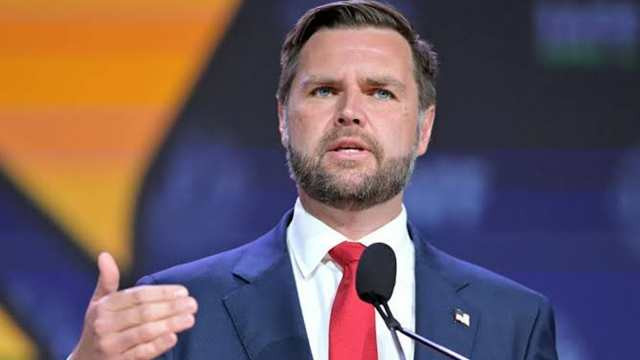
U.S. Vice President JD Vance has publicly defended the diplomatic initiative, saying in television interviews that its most significant aspect is Washington’s direct engagement with Tehran.
The development follows earlier nuclear negotiations, including the 2015 Joint Comprehensive Plan of Action (JCPOA), reached under the Obama administration, from which then-President Donald Trump later withdrew, reinstating a “maximum pressure” sanctions campaign against Iran.
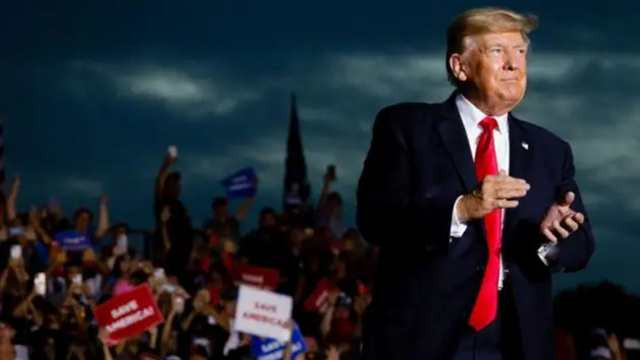
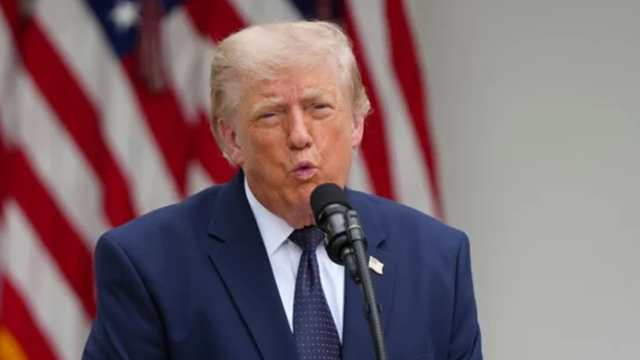
In the current phase of diplomacy, Trump has indicated that the MoU will be submitted to Congress and made public in full. He also suggested that the agreement could be formally presented in Switzerland later this week, promising full transparency, including reading the document aloud in a press briefing.
However, Israel’s exclusion from the full details has fueled criticism within the country. Israeli media outlets have described the agreement in stark terms, with one newspaper reportedly calling it a “bad deal,” reflecting concerns that the framework may disproportionately benefit Iran.
Former Israeli Defense Minister Avigdor Lieberman sharply criticized the agreement, arguing that it could strengthen Iran’s nuclear capabilities, while also acknowledging that Israel must adapt to U.S. policy decisions.
Meanwhile, Trump responded forcefully to Israeli criticism during remarks at a G7-related event, stating that Israel’s survival has historically depended on U.S. support, and warning against expectations that Washington would always align its policy exclusively with Israeli interests.
The agreement continues to draw scrutiny across the Middle East, with analysts warning that limited transparency and differing interpretations among allies could deepen geopolitical divisions despite the temporary easing of tensions with Iran.