২৩ আশ্বিন ১৪৩৩



Election Could Open New Path for Bangladesh–India Diplomatic Reset : Kugelman
09 January 2026 05:01 AM
NEWS DESK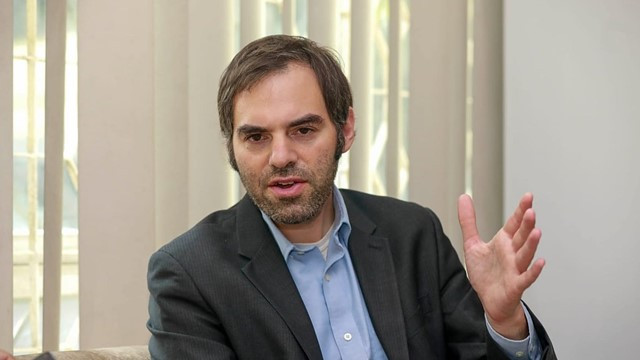
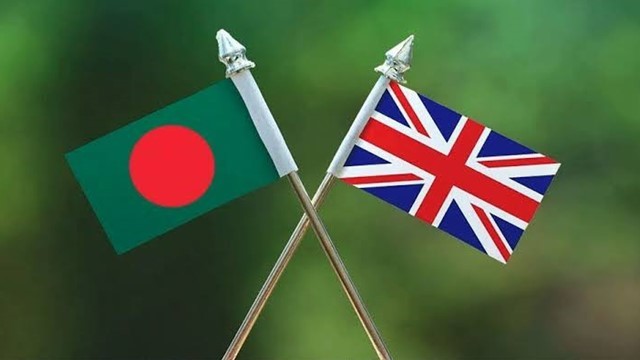
Despite severe diplomatic tensions between Bangladesh and India, the upcoming general election could open a new “path of compromise” for rebuilding bilateral relations, according to South Asia analyst Michael Kugelman.
In an article published by Foreign Policy, the Atlantic Council’s senior fellow argues that India appears to be sending fresh, positive signals toward a potential Bangladesh Nationalist Party (BNP)–led government, setting aside years of bitterness.
Kugelman points to Indian Prime Minister Narendra Modi’s condolence message following the death of BNP Chairperson and former Prime Minister Khaleda Zia, as well as Indian External Affairs Minister S. Jaishankar’s presence at her funeral in Dhaka, as clear indications of a strategic shift in New Delhi’s approach. He notes that BNP has become relatively more acceptable to India after severing its long-standing alliance with Jamaat-e-Islami.
Relations between the two neighbors deteriorated sharply following the ouster of Prime Minister Sheikh Hasina on August 5, with tensions spilling over even into sports diplomacy. Bangladesh’s interim government recently banned the broadcast of the Indian Premier League (IPL) and announced that the national cricket team would not travel to India for the World Cup.
In his analysis, Kugelman highlights deep-rooted mistrust on both sides. Many Bangladeshis believe India has long interfered in their domestic politics, while Indians fear the rise of hardline Islamist forces in a post-Hasina Bangladesh. Dhaka’s position hardened further after India granted asylum to Hasina and refused to extradite her, particularly after Bangladeshi courts sentenced her to death in absentia.
Domestic political realities in both countries remain major obstacles to improving ties. In Bangladesh, influential Islamist groups oppose closer relations with India, potentially limiting the political space for any new government. In India, concerns over minority rights and reports of attacks on human rights activists in Bangladesh have further hardened New Delhi’s stance.
However, Kugelman notes that BNP’s acting leader and potential prime minister Tarique Rahman’s calls for national unity, along with indirect signals about protecting minority rights, have generated cautious optimism in India. BNP Secretary General Mirza Fakhrul Islam Alamgir has also emphasized that relations with India must be based strictly on “equality and mutual respect.”
Kugelman concludes that the February 12 election presents a significant opportunity for both countries to thaw relations. However, progress will depend on whether leaders in Dhaka and New Delhi are willing to take political risks and make compromises.
India has already stated that it is prepared to work with any democratically elected government in Bangladesh. Ultimately, the rebuilding of ties will hinge on the courage and pragmatism of future leadership on both sides, as well as their ability to balance public sentiment with political realities to establish a stable and dignified bilateral relationship.