৩১ ভাদ্র ১৪৩৩



Fuel Smuggling Syndicate Thrives in Karnaphuli Despite Decades of Scrutiny
02 May 2026 21:05 PM
NEWS DESK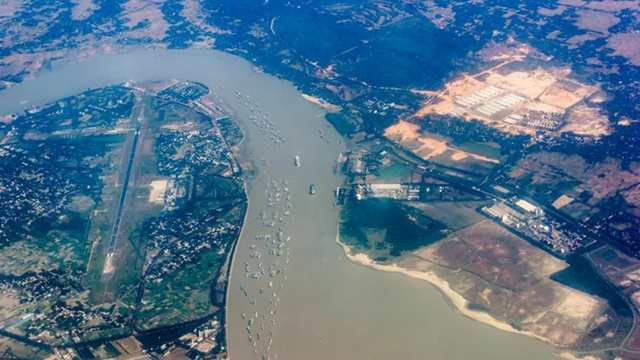
A well-organized fuel smuggling syndicate operating along the Karnaphuli River and the outer anchorage of Chattogram Port has remained largely unchecked for more than two decades. Although many operators hold licenses and approvals on paper, authorities say illegal activities continue under the cover of legitimacy, creating a vast underground economy worth billions annually.
According to people familiar with the sector, more than a hundred groups are actively involved in fuel theft in the Karnaphuli River. Targeting both local and foreign vessels, these groups siphon off fuel worth hundreds of millions of taka every month, with yearly losses reaching into the billions. The theft not only causes major financial losses to shipowners but also deprives the government of significant revenue.
Chattogram Port is a key hub for the country’s fuel supply system. Under the state-owned Bangladesh Petroleum Corporation, imported fuel is distributed nationwide through depots operated by Padma Oil, Meghna Petroleum, and Jamuna Oil. However, multiple stages in this supply chain—from mother vessels to lighter ships, depots, tankers, rail wagons, and river routes—have created opportunities for theft. One commonly reported method involves siphoning an extra 15 to 20 liters from each 200-liter drum.
Beyond the formal supply chain, a parallel market has emerged where excess fuel collected from foreign vessels at the outer anchorage is sold to local syndicates. This fuel, often obtained without paying duties, is later sold at lower prices to filling stations, factories, and lighter vessels, resulting in substantial revenue losses for the state.
Industry insiders estimate that around 50,000 liters of stolen fuel are traded daily in the Karnaphuli area. Syndicate members typically purchase fuel at 50 to 55 taka per liter and sell it at 60 to 70 taka. The fuel is unloaded at at least 15 نقاط along the river.
The situation intensifies at night, when covert unloading operations take place under the cover of darkness. Small boats and trawlers are used to quickly transport the fuel from vessels to various घाटs along the river.
Authorities and local sources allege that the network involves a wide range of actors, including ship crew members, some depot officials, transport workers, and influential local figures.
Despite multiple cases filed over the years against key أفراد linked to the trade, enforcement has been inconsistent. Observers say that while political leadership may have changed, the structure of the syndicate has largely remained intact, with control shifting between different groups.
Local residents report that illegal fuel trading begins in the afternoon and intensifies at night, but fear prevents many from speaking out. ব্যবসায়ীরা warn that the trade increases the risk of accidents and environmental hazards, particularly from unsafe storage and transport.
Law enforcement agencies say patrols along the নদীপথ have been strengthened and efforts are ongoing to bring those involved to justice. However, experts argue that without coordinated oversight, strict action against corruption, and insulation from political influence, dismantling the network will remain difficult.
They caution that the syndicate represents not just isolated theft, but a structured economic crime that distorts the legal fuel market and poses long-term risks to the national economy.