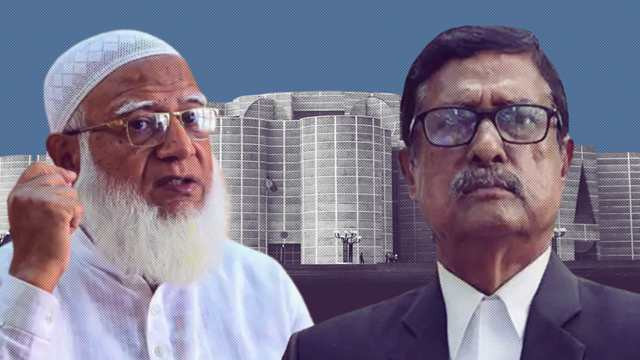
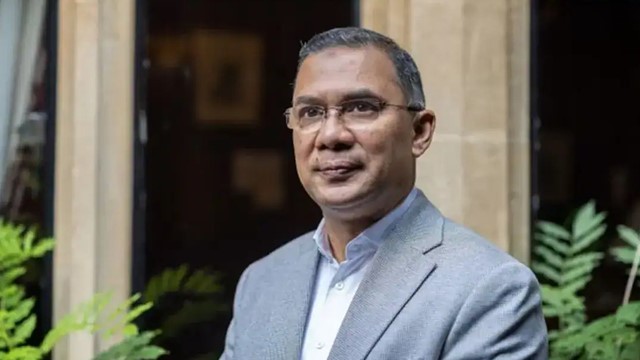
A tense moment unfolded in Bangladesh’s parliament after comments made by Kishoreganj-4 MP Fazlur Rahman drew strong protest from opposition leader Dr. Shafiqur Rahman.
The incident occurred on Tuesday during the 23rd sitting of the current parliamentary session. Dr. Shafiqur Rahman, who also serves as the leader of Bangladesh Jamaat-e-Islami, stood up immediately after Fazlur Rahman’s remarks to lodge a formal protest.
Objection Over Personal and Political Remarks
Dr. Shafiqur Rahman accused the MP of making personal attacks and questioning both his family background and political choices. He expressed frustration over remarks challenging his claim of being from a family of martyred freedom fighters.
“While respecting his seniority and contributions, no one has the right to undermine another person’s role while describing their own,” he said.
He further argued that choosing a political ideology or party is a fundamental civil right, and no individual or institution has the authority to interfere in that choice.
Demand to Expunge Remarks
The opposition leader requested the Speaker to remove what he described as “unparliamentary” remarks from the official records.
He also criticized the tone of the comments, saying such behavior was unexpected from a senior politician. Emphasizing constructive debate, he added that parliament should be a place for reasoned discussion rather than personal attacks.
Call for Calm and Constructive Politics
Dr. Shafiqur Rahman urged lawmakers to remain composed and rely on facts and logic in parliamentary debates. He noted that emotional outbursts weaken arguments and reduce the effectiveness of political discourse.
He stressed that fostering mutual respect and meaningful dialogue would help build public trust in parliament and contribute to the country’s progress.
Speaker’s Response
In response, the Speaker assured that any unparliamentary expressions would be reviewed and removed from the official proceedings in accordance with parliamentary rules.
The exchange highlights ongoing political tensions within parliament, particularly around issues of identity, liberation war legacy, and ideological differences among lawmakers.