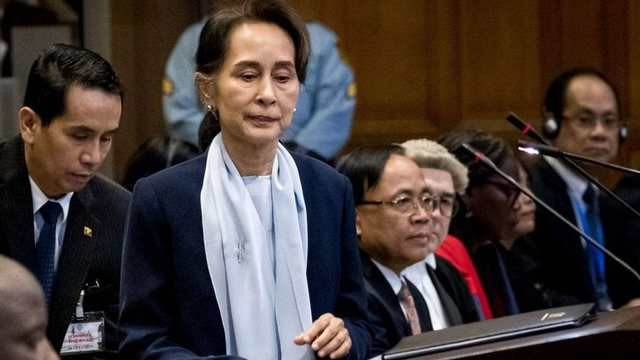
Suu Kyi had been detained since the military coup in February 2021, when the armed forces overthrew her elected government. The move plunged the country into prolonged instability and triggered a nationwide conflict that continues to affect large parts of Myanmar.
A member of her legal team told Reuters that she was moved from prison to house arrest late Thursday night. She is currently being held in Naypyidaw, and lawyers expect to meet her over the weekend. The shift is expected to allow more direct communication with her legal team, including access to food, medication, and in-person consultations.
Previously, while she was in detention, lawyers were not allowed direct meetings. Instead, they had to leave items at police stations, which were then delivered to her by authorities.
Following the 2021 coup led by Myanmar’s military, Suu Kyi’s government was removed from power, leading to widespread unrest and armed resistance across the country.
State media recently released a photograph showing Suu Kyi sitting on a wooden bench with two uniformed officers—her first publicly released image since her arrest. The image has drawn significant international attention.
After the coup, the military government brought multiple secret trials against her, accusing her of corruption, electoral fraud incitement, and violations of official secrets laws. She was initially sentenced to 33 years in prison, which was later reduced to 27 years. Further sentence reductions followed through a series of amnesties, including a partial pardon during Myanmar’s New Year in April.
Her legal team and supporters have consistently rejected the charges, calling them politically motivated and aimed at removing her from political life.
Suu Kyi, now 80, is the daughter of Myanmar’s independence hero Aung San. She previously spent nearly 15 years under house arrest at her family residence during earlier military rule.
Myanmar’s military chief and head of state Min Aung Hlaing has faced growing international pressure, including calls from ASEAN members for the release of political prisoners and a return to democratic governance.
Analysts say the decision to move Suu Kyi to house arrest may be a calculated attempt by the military to ease diplomatic pressure. However, her supporters continue to demand her full and unconditional release, arguing that her detention remains politically driven and unjust.