১১ আশ্বিন ১৪৩৩



Jamaat MP Criticizes Proposed Budget for Omitting Zakat, Calls for Islamic Economic Reforms
29 June 2026 04:06 AM
NEWS DESK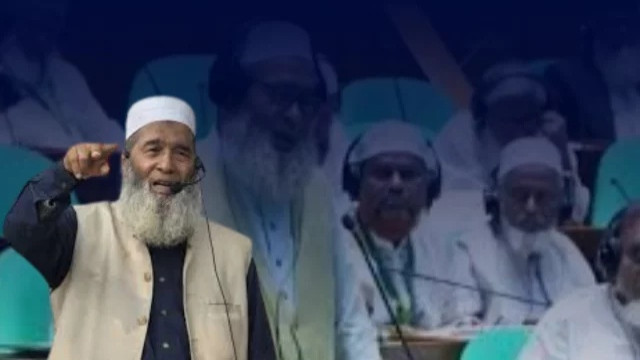
Bangladesh Jamaat-e-Islami Member of Parliament Professor Mujibur Rahman has criticized the proposed national budget for the 2026–27 fiscal year for not mentioning zakat, calling for the introduction of a zakat-based economic system and the abolition of measures allowing the legalization of undisclosed income.
Speaking during the general discussion on the proposed budget in the Jatiya Sangsad on Sunday, Professor Rahman also urged the government to ban alcohol, bidis, and other intoxicating substances. The parliamentary session was chaired by Speaker Hafiz Uddin Ahmed.
At the beginning of his speech, Rahman said that those who achieve victory should praise Allah and seek forgiveness for their sins. He criticized what he described as excessive praise of political leaders in parliament instead of expressing gratitude to Allah.
The Jamaat lawmaker argued that although the proposed budget emphasizes reducing wasteful expenditure, it makes no mention of zakat. He said establishing regular prayer and implementing zakat help improve moral character and reduce poverty and hunger.
Condemning the interest-based financial system, Rahman described usury as a grave sin under Islamic teachings and said it harms the economy. He added that Islamic banking is expanding in many countries and called for Bangladesh to adopt a zakat-based economic model.
He claimed that if zakat were properly collected nationwide, the country could raise approximately Tk 2 trillion (Tk 200,000 crore), which he said would be sufficient to address the national budget deficit. He proposed forming a government-supervised Zakat Committee or a separate Ministry of Zakat comprising Islamic scholars from different schools of thought, including Hanafi and Ahl-e-Hadith.
Rahman also strongly opposed the provision allowing undisclosed wealth to be legalized, describing it as religiously impermissible. He argued that illegally earned money cannot be legitimized through tax payments and called for the provision to be repealed.
In his speech, he defended Qawmi madrasas, saying they should not be portrayed negatively because they provide education in the Quran and Hadith. He urged the government to provide clothing and footwear assistance to Qawmi madrasa students similar to benefits available for primary school pupils.
The lawmaker also called for the nationalization of the education system and proposed that educational institutions not yet included under the Monthly Pay Order (MPO) scheme be incorporated in phases under certain conditions.
On labor rights, Rahman urged the government to implement the Prophet Muhammad's teaching of paying workers before their sweat dries. He also proposed a nationwide tree-planting campaign to help reduce unemployment and poverty and drew attention to the lack of an ambulance at a hospital in his constituency.
Responding to remarks that politics should not be practiced in mosques, Rahman said the Prophet's Mosque in Medina served as the administrative center of the first Islamic state and argued that governance based on the Quran and Sunnah originated there.
He concluded by warning against dying with unpaid debts, saying that loans should be repaid and urging the country to move away from an economy dependent on excessive borrowing.
The remarks reflect Professor Rahman's views and proposals presented during the parliamentary budget debate and do not represent government policy.