২৫ আশ্বিন ১৪৩৩



Bangladesh Ready to Support Saudi Arabia if Makkah, Madinah Face Threats: State Minister
10 October 2026 18:10 PM
NEWS DESK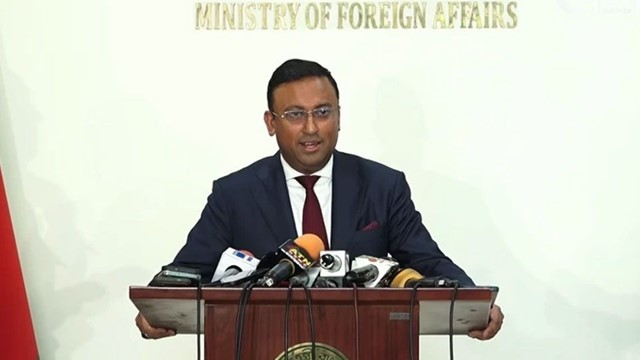
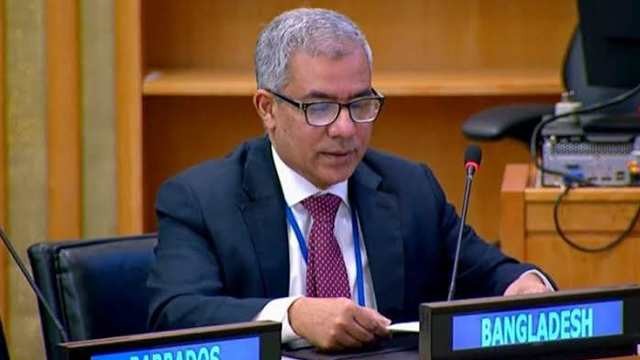
Bangladesh has no disagreement over the security of Islam’s two holiest cities, Makkah and Madinah, and is prepared to provide whatever assistance Saudi Arabia requests if the sacred sites come under attack, Foreign Affairs State Minister Humayun Kabir has said.
He made the remarks on Saturday at a seminar titled “From Labour Force to Strategic Partnership: A New Framework for Bangladesh-Saudi Arabia Relations” at the Foreign Service Academy in Dhaka.
Kabir said investment should form the foundation of bilateral relations between Bangladesh and Saudi Arabia, adding that transparency and good governance had been ensured to attract foreign investment to Bangladesh.
He identified the labour market as another major priority, saying Bangladesh was interested in sending skilled workers to Saudi Arabia.
Bangladesh Expresses Interest in Makkah Agreement
The state minister stressed that peace and stability in the Middle East were vital for Muslim-majority countries, particularly because the region includes Makkah and Madinah, which hold profound religious significance for Muslims worldwide.
He said Bangladesh’s experience in United Nations peacekeeping operations could contribute positively to efforts to establish peace and stability in the region.
Kabir also expressed support for the initiative surrounding the Makkah Agreement, saying Bangladesh had communicated its interest in joining the initiative.
Asked whether Bangladesh had received an invitation or response, he reiterated that Dhaka’s position was clear and that there could be no compromise over the security of Makkah and Madinah.
Dhaka Seeks Broader Strategic Partnership with Riyadh
Kabir said Bangladesh wanted to move beyond its traditional relationship with Saudi Arabia, which has largely centred on labour migration and remittances, towards a broader, long-term strategic partnership.
He identified investment, technology and energy as key sectors in which the two countries could expand cooperation.
According to the state minister, Saudi Arabia is making substantial investments in Bangladesh. He cited Saudi investment of approximately $2.43 billion in the Star Refinery-2 project as an example of growing economic cooperation.
He added that the two countries were pursuing various initiatives to elevate bilateral ties to a strategic level, with high-level visits and diplomatic engagement increasing.
Kabir emphasised that Bangladesh should build investment-based partnerships not only with Saudi Arabia but also with other countries around the world.
He said the country needed to move beyond its dependence on traditional labour migration and expand cooperation in technology-driven and skills-based sectors, while developing sustainable, long-term investment policies.
Japan Visit to Focus on Investment and Energy
The state minister also discussed the upcoming visit of the prime minister to Japan, saying investment partnerships would be a key priority during the trip.
Bilateral discussions are expected to focus on investment opportunities in Bangladesh, particularly cooperation in the energy sector.
Kabir said that after the government was formed, Bangladesh faced an energy crisis. At the invitation of the Japanese prime minister, Bangladesh’s prime minister subsequently participated virtually in an Asia-Pacific energy conference and delivered an address.
He said the upcoming visit would provide an opportunity to discuss ways to address Bangladesh’s energy challenges, explore investment opportunities in different sectors and examine areas where Japan could offer support.
The state minister said the Japanese government’s interest and potential avenues for cooperation with Bangladesh would also feature in the discussions.
The prime minister is scheduled to travel to Japan on October 26 for a four-day visit, during which investment and energy cooperation are expected to receive significant attention.
The seminar was jointly organised by the Bangladesh Institute of International and Strategic Studies (BIISS) and North South University.