৫ কার্তিক ১৪৩৩



Public Opposition in Europe Grows Over Recent U.S.–Israel Military Strikes on Iran
08 March 2026 09:03 AM
NEWS DESK
Public anger has been rising across Europe following the recent U.S.–Israel military strikes on Iran. According to newly released opinion polls conducted in Spain, Italy, Germany, and the United Kingdom, a majority of citizens in these countries oppose the military intervention.
The survey results, published on Friday, show that many Europeans are strongly against direct military involvement and are urging their governments to remain neutral or play a mediating role in the escalating conflict.
In Spain, a recent poll revealed that around 68 percent of citizens oppose the strikes. More than half of the respondents believe the Spanish government should not provide any form of military assistance to the United States or Israel. A majority also opposed allowing military bases on Spanish territory to be used for operations related to the conflict.
A similar trend was observed in Italy, where 56 percent of respondents expressed opposition to the attacks. Many Italians believe the government should avoid taking sides and instead focus on calling for an immediate ceasefire while acting as a mediator.
In Germany, a separate poll found that 58 percent of citizens consider the strikes unjustified. The survey also indicated that public trust in the United States has fallen to its lowest level in the past two decades. Nearly 75 percent of German respondents expressed concern that the conflict could soon spread to neighboring countries and escalate into a wider regional war. Many participants said they believe current global politics is increasingly driven by power rather than moral principles.
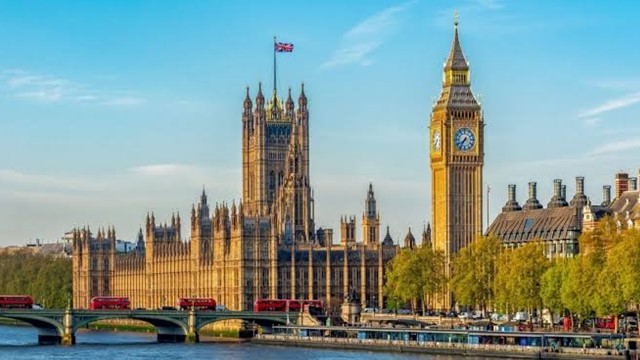
Public support in the United Kingdom also appears limited. Nearly half of British citizens oppose the military operation. Many have expressed discomfort over the use of British air bases in the attacks on Iran. Additionally, 47 percent of respondents said they were dissatisfied with how Prime Minister Keir Starmer is handling the situation.
Tensions have been rising across the Middle East and beyond since the joint U.S.–Israel airstrikes on February 28. According to reports, the strikes resulted in the deaths of Iran’s Supreme Leader Ali Khamenei and more than a thousand people, including around 150 schoolgirls, further intensifying global concern over the possibility of a broader conflict.