৭ কার্তিক ১৪৩৩



Iran Warns No Oil Will Leave Persian Gulf During War With U.S. and Israel
11 March 2026 06:03 AM
NEWS DESK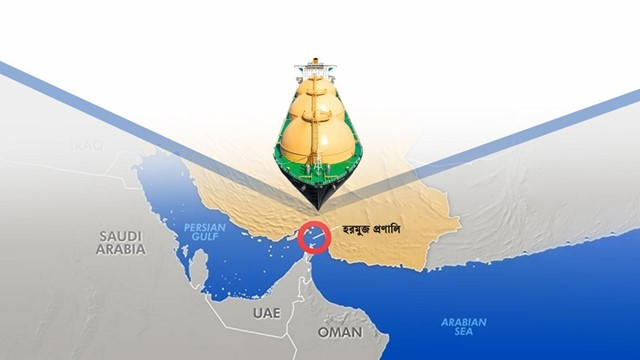
Iran announced on Tuesday that not a single liter of oil will be allowed to be exported from the Persian Gulf region while the war with the United States and Israel continues. The warning came in response to U.S. President Donald Trump’s claim that the conflict could end soon.
Following Trump’s statement that the war might end shortly, oil prices partially corrected after surging sharply the previous day. Prices had earlier spiked after the strategic Strait of Hormuz was effectively closed following Iranian attacks. Iran began targeting shipping in the region after its Supreme Leader, Ali Khamenei, was killed in U.S. and Israeli strikes.
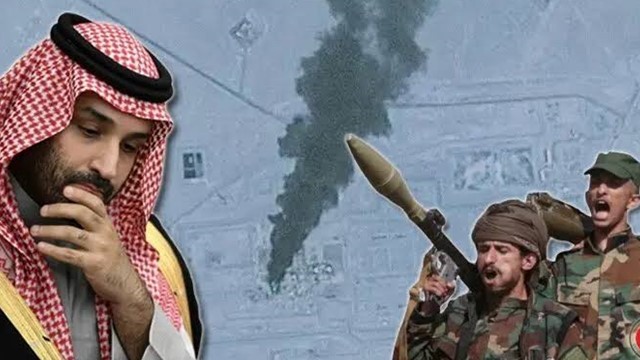
Oil prices also rose after attacks on an Iranian oil depot and strikes targeting oil infrastructure in Saudi Arabia and Bahrain.
However, after Trump’s optimistic remarks, European gas prices dropped by about 15 percent at the opening of the market, and Asian stock markets recovered somewhat from Monday’s sharp decline. Despite the rebound, concerns remain high.
Meanwhile, Egypt has increased fuel prices by up to 30 percent, while Pakistan announced that its navy will provide security for commercial shipping routes.
Iran’s Islamic Revolutionary Guard Corps (IRGC) mocked Trump’s remarks, saying that until further notice, Iranian armed forces will not allow “even one liter of oil” to be exported from the region by enemy countries or their allies.
In a statement, the IRGC said, “We will determine when this war ends.” The group is considered close to Iran’s new Supreme Leader, Mojtaba Khamenei.
The statement also said that the future balance of power in the region now lies in the hands of Iran’s armed forces and that American forces will not be able to dictate the end of the conflict.
Iranian Foreign Minister Abbas Araghchi, in an interview with PBS News, said Iran is prepared to continue missile attacks for as long as necessary.
Araghchi also confirmed that he remains in his position as foreign minister even after Mojtaba Khamenei became the new Supreme Leader following the death of his father. He accused the United States of launching attacks on Iran while diplomatic negotiations were still ongoing.
“I do not think returning to negotiations with the Americans is currently on our agenda,” he said.
President Trump, however, struck a confident tone about the conflict. Speaking at a press conference in the U.S. state of Florida, he said, “This war will end very soon. And if it starts again, they will be hit much harder.”
He added, “In many ways we have already won, but we have not completely won yet.”
Later, in a post on his social media platform, Trump warned that if Tehran continues interfering with oil exports, the United States would launch such intense bombing that rebuilding Iran “as a state would become almost impossible.”
“Death, fire and fury will rain down on them,” he wrote, adding that he hopes such action will not be necessary.
Israeli Prime Minister Benjamin Netanyahu also suggested the conflict could continue. He expressed hope that the Iranian people might use the situation as an opportunity to remove their government from power.
During a visit to the National Health Command Center, Netanyahu said, “Our goal is to give the Iranian people the chance to free themselves from oppression. Ultimately, it is up to them. But there is no doubt we are breaking their power, and we have not stopped yet.”
On Monday, global oil prices crossed the symbolic threshold of $100 per barrel and at one point surged nearly 30 percent during the day before falling back after Trump’s comments.
To stabilize the oil market, Trump said he plans to ease some oil-related sanctions after a phone conversation with Russian President Vladimir Putin.
Iran has been targeting ships passing through the Strait of Hormuz, a critical route through which about 20 percent of the world’s crude oil normally flows from the Gulf to global markets, particularly Asia and Europe.
French President Emmanuel Macron said on Monday that France and its allies are working on a “fully defensive” mission to reopen the strait. Once the most intense phase of the conflict ends, they plan to ensure safe passage for ships through the waterway.