৭ কার্তিক ১৪৩৩



US Military Drafts New Plan to Counter Iran in Strait of Hormuz
25 April 2026 04:04 AM
NEWS DESK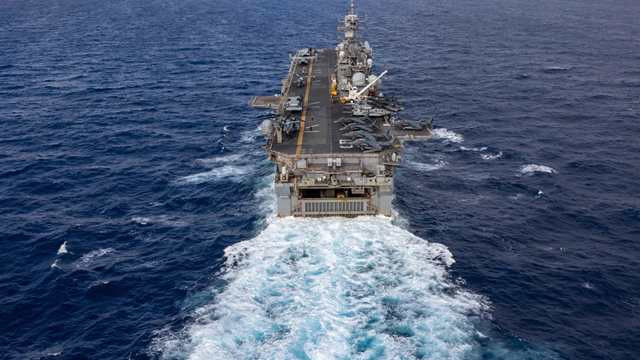
The United States Department of Defense is reportedly finalizing a new military strategy aimed at dismantling Iran’s defensive capabilities in the strategically vital Strait of Hormuz, according to a report by CNN. The development has heightened global geopolitical tensions.
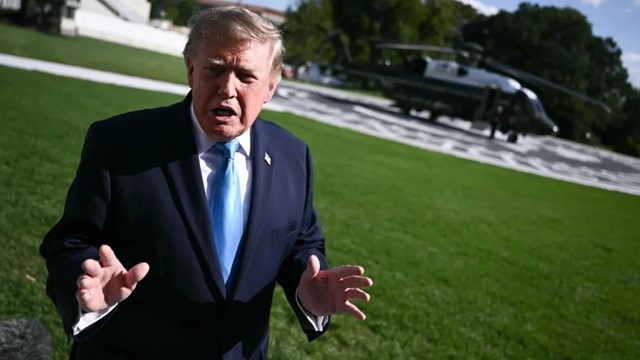
The report comes shortly after Donald Trump announced an extension of a ceasefire, even as discussions of potential military action continue behind the scenes.
Citing informed sources, senior Pentagon officials are focusing on a “dynamic targeting” approach to weaken Iran’s naval strength and reduce its dominance over the waterway. The strategy reportedly includes striking Iranian assets across the Strait of Hormuz, the southern Arabian Gulf, and the Gulf of Oman.
The primary objective is to destroy Iranian systems believed to be restricting maritime movement, including fast attack boats, mine-laying vessels, and other asymmetric warfare tools that Tehran uses to exert pressure on international shipping.
Trump has signaled a hardline stance, warning that any attempt to deploy naval mines in the strait would be met with lethal force by the US Navy.
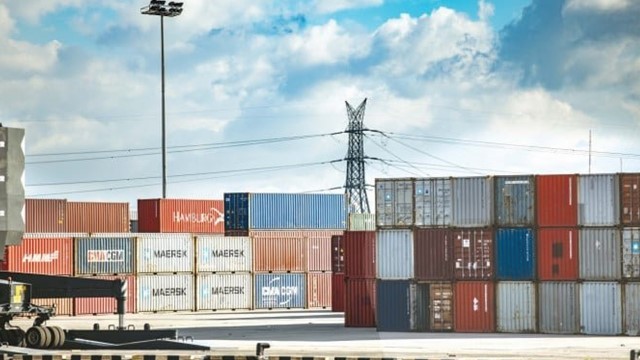
US officials argue that the ongoing disruption in the strait is already impacting the global economy and complicating efforts to control inflation. Despite a ceasefire that took effect on April 7, commercial shipping has yet to return to normal operations.
While previous US strikes targeted locations inside Iran, much of the country’s coastal defense infrastructure—including missile systems and swarms of small naval craft—remains intact and continues to pose a threat.
Military analysts cited in the report caution that limited strikes alone may not be sufficient to reopen the waterway. They argue that unless Iran’s operational capabilities are significantly degraded, commercial vessels will remain reluctant to transit the route.
Trump has also warned that, in the absence of a diplomatic solution, he may authorize strikes on Iran’s energy infrastructure and dual-use facilities—an escalation that US officials say could dramatically widen the conflict.
The administration believes that targeting Iran’s economic backbone could pressure Tehran into negotiations, while keeping all strategic options open.
Another key component of the plan involves high-value target operations. US planners have reportedly identified several Iranian military leaders—seen as obstacles to diplomacy—including Ahmad Vahidi, commander-in-chief of the Islamic Revolutionary Guard Corps.
Meanwhile, Iran is said to be facing internal leadership challenges following losses among senior figures in joint US-Israeli operations. Analysts suggest growing divisions between hardline and moderate factions within the country.
US intelligence assessments indicate that Iran has repositioned remaining missile launchers and drones during the ceasefire. According to Pete Hegseth, these relocated assets would become primary targets if hostilities resume.
Estimates suggest that more than half of Iran’s missile launchers and thousands of drones remain intact, posing ongoing risks to US forces.
Although Trump is reportedly reluctant to prolong the conflict, he has expressed frustration over the continued disruption of maritime traffic. Some experts believe early strategic missteps by the US—such as delayed naval deployments—allowed Iran to assert control over the strait.
Currently, the US Navy has deployed 19 vessels in the Middle East and seven more in the Indian Ocean, including two aircraft carriers actively enforcing a maritime blockade against Iran.
Since the disruption began on April 13, at least 33 vessels have reportedly been rerouted, while US forces have also conducted inspections of suspected Iranian ships in deeper waters of the Indian Ocean.