৩০ ভাদ্র ১৪৩৩



No Country to Yet Respond over Trump's Call to Send Warships to Hormuz.
17 March 2026 16:03 PM
NEWS DESK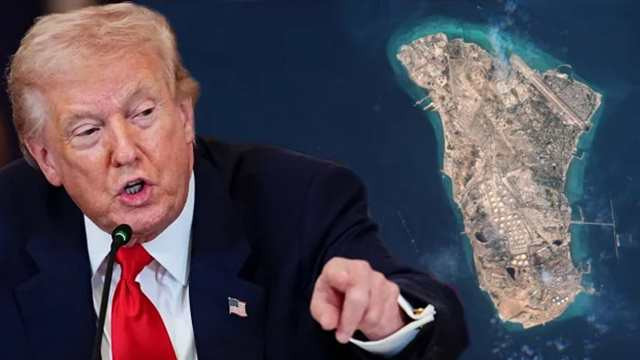
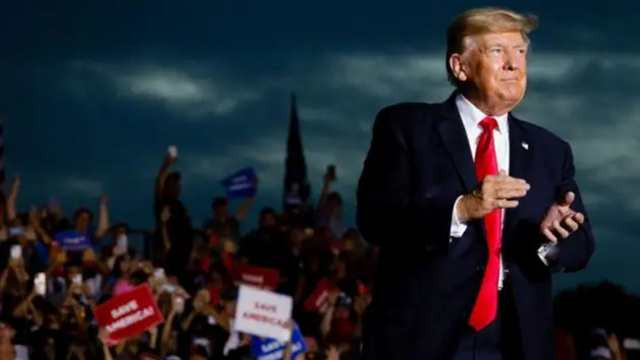
Amid soaring global oil prices driven by escalating conflict involving Iran, the United States, and Israel, U.S. President Donald Trump has proposed that multiple countries deploy naval forces to ensure the Strait of Hormuz remains “open and secure.” However, the proposal has yet to receive any immediate commitments.
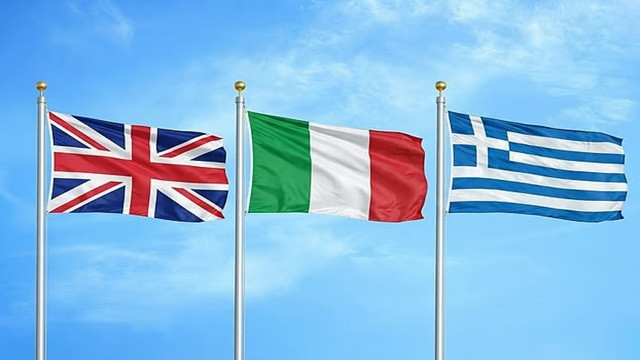
According to a report by Al Jazeera, Trump wrote on his Truth Social platform that countries including China, France, Japan, South Korea, and the United Kingdom should send ships to the region. He argued that such a move would prevent the strategic waterway from being threatened by what he described as a “leaderless nation.”
U.S. Energy Secretary Chris Wright told NBC News on Sunday that Washington has initiated discussions with some of the countries mentioned by Trump. He expressed hope that China would act as a “constructive partner” in efforts to reopen the Strait of Hormuz.
So far, however, no country has made a formal commitment. China’s embassy spokesperson Liu Pengyu stated that maintaining stable and uninterrupted energy supplies is the responsibility of all parties, adding that Beijing will continue to strengthen communication with relevant stakeholders to help de-escalate tensions.
In retaliation for U.S. and Israeli strikes, Iran’s military has effectively blockaded the strategically vital waterway. The move is widely seen as an attempt to disrupt the global economy and increase energy prices to pressure Washington.
Iran maintains that the Strait of Hormuz—through which roughly one-fifth of the world’s oil exports typically pass—remains open to all countries except the United States and its allies. Iranian Foreign Minister Abbas Araghchi told CBS News that several countries have requested safe passage for their vessels, adding that such decisions will ultimately be made by Iran’s military.
Meanwhile, India’s External Affairs Minister S. Jaishankar told the Financial Times that diplomatic engagement between New Delhi and Tehran has already yielded results. He said two Indian-flagged gas tankers were allowed to pass through the strait on Saturday.
“I am in touch with them right now, and some outcomes have already been achieved,” Jaishankar said, emphasizing that dialogue and coordination remain key to resolving the situation from India’s perspective.
According to data from the UK Maritime Trade Operations, the International Maritime Organization, and Iraqi and Iranian authorities, at least 10 oil tankers have been attacked, targeted, or reported incidents since the conflict began on February 28.
Although crude oil prices have surged to nearly $100 per barrel, officials from the Trump administration insist that current indicators suggest the conflict may be resolved relatively quickly. Nonetheless, around 1,000 oil tankers are reportedly stranded, unable to transit through the Strait of Hormuz.
Barbara Slavin, a distinguished fellow at the Stimson Center, expressed skepticism about China’s involvement. Speaking to Al Jazeera, she said she doubts Beijing would send naval forces to help reopen the strait, noting that Iranian oil exports to China remain largely unaffected.
“I don’t think China will deploy warships to reopen the Strait of Hormuz,” she said. “They don’t need to, as Iranian oil continues to flow to China.”
She added that Iran appears to be restricting oil shipments primarily to countries aligned with the United States and Israel.
Separately, UK Prime Minister Keir Starmer discussed the importance of reopening the strait to prevent disruptions to global shipping in talks with Trump. He also held separate discussions with Canadian Prime Minister Mark Carney.