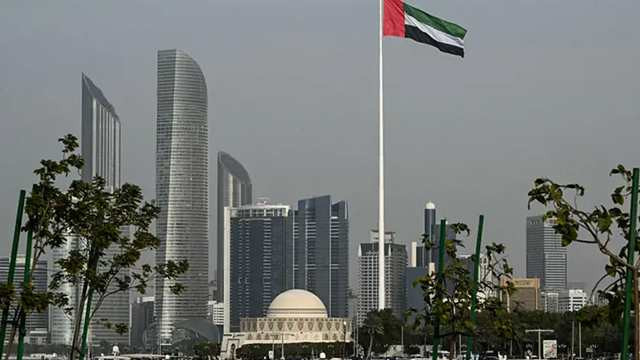
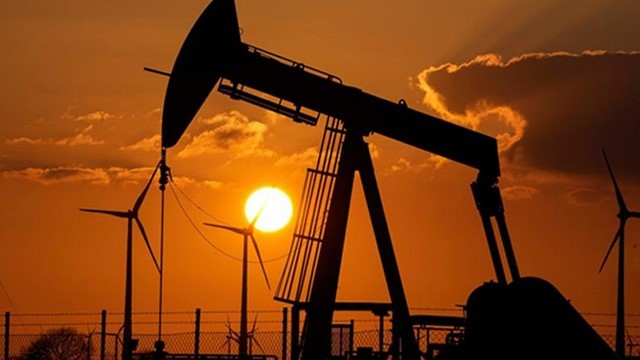
For decades, OPEC has played a central role in managing oil supply to influence prices. The UAE’s withdrawal disrupts this coordinated approach, potentially creating a more competitive global market. Analysts suggest that without strict production quotas, the UAE could increase output independently, putting downward pressure on oil prices.
As one of the region’s largest oil producers, the UAE’s shift could significantly alter supply dynamics, challenging OPEC’s ability to maintain price stability.
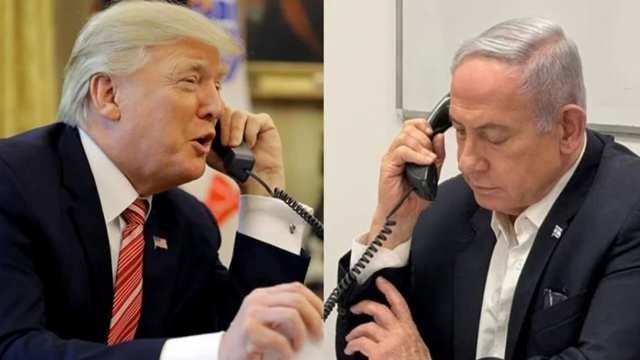
The development presents a mixed outlook for the United States. Although the US is nearly energy self-sufficient, it still imports roughly one-third of its oil. This is largely due to differences in crude types: domestically produced “light sweet crude” is well-suited for gasoline, but less effective for producing heavier petroleum products.
As a result, the US continues to rely on heavier crude imports from regions like the Middle East. Any disruption or shift in supply—such as increased UAE production outside OPEC—could reshape this balance.
From a long-term perspective, increased global oil supply could benefit consumers. Greater competition may drive down fuel prices, easing inflationary pressures and reducing living costs worldwide.
However, for US oil producers, this trend could pose challenges. A global oversupply would likely push prices down, cutting into profits for major energy companies. If prices fall too far, US producers may scale back output to avoid losses, potentially complicating the country’s long-term energy strategy.
Beyond economics, the UAE’s exit raises concerns about coordination during crises. OPEC has historically acted as a stabilizing force during supply disruptions. A weakened alliance may struggle to respond effectively to future energy shocks.
In the politically volatile Middle East, such fragmentation could undermine efforts to maintain steady oil flows during emergencies, with ripple effects felt strongly in Western economies.
The UAE’s move reflects deeper transformations in the post-conflict global order, particularly following tensions such as the Iran conflict. Global supply chains are being reshaped, and traditional trade alignments are evolving.
Experts believe other nations may follow the UAE’s lead, prioritizing national interests over collective agreements. If that happens, the global energy market could enter a more fragmented but competitive era.
The UAE’s departure from OPEC is more than a policy shift—it signals a structural change in how global energy markets operate. Its impact will likely extend from fuel prices and inflation to international diplomacy, affecting both governments and everyday consumers worldwide.