২ আশ্বিন ১৪৩৩



Mojtaba Rejects Ceasefire Proposals, Demands Concessions from U.S.-Israel
18 March 2026 16:03 PM
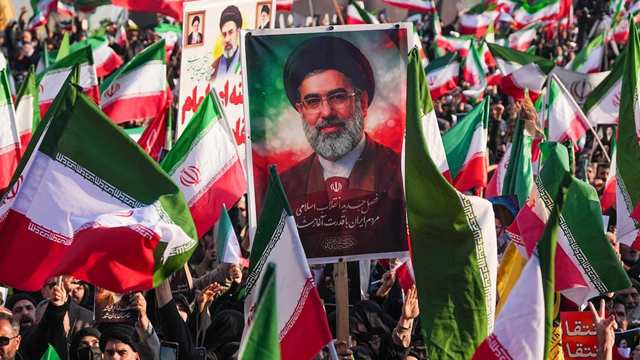
Iran’s new Supreme Leader, Ayatollah Mojtaba Khamenei, has rejected proposals for de-escalation or a ceasefire conveyed through mediators, according to a report by Reuters.
The report states that a senior Iranian official said on Tuesday that the Supreme Leader insists Israel and the United States must “bow down” before any halt to the conflict can be considered.
The official added that Mojtaba Khamenei held his first foreign policy meeting since assuming leadership. During the meeting, he reportedly adopted a firm and uncompromising stance on seeking “revenge” against both the U.S. and Israel. However, it remains unclear whether he attended the meeting in person.
According to the unnamed official, two mediating countries had delivered proposals to Iran’s Foreign Ministry aimed at reducing tensions or establishing a ceasefire with the United States. No further details were provided about the mediators or the proposals.
In response, the Supreme Leader reportedly stated that “this is not the right time for peace” unless the U.S. and Israel accept defeat, concede, and provide compensation.
In Iran, the Supreme Leader holds ultimate authority over all state affairs. Since being appointed as the successor to his father, Ayatollah Ali Khamenei, in a religious assembly more than a week ago, no new images of Mojtaba have been released.
Some Iranian officials claim that he sustained minor injuries in the attack that reportedly killed his father, while U.S. officials believe his injuries may have been more severe.
The conflict between the U.S.-Israel alliance and Iran has now entered its third week, with at least 2,000 people reported dead so far and no signs of de-escalation.
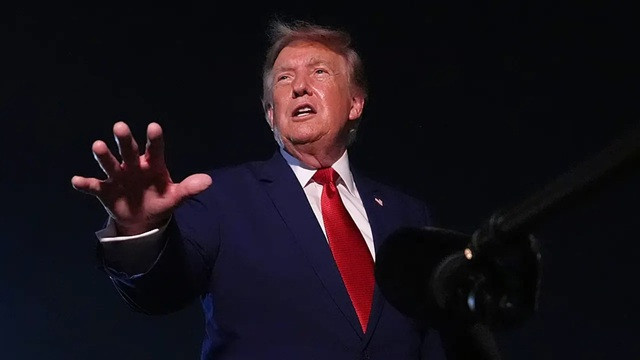
Meanwhile, the strategically vital Strait of Hormuz remains largely blocked. The disruption of this key shipping route is contributing to rising global energy prices and increasing fears of inflation, especially after allied countries reportedly declined a request for assistance from U.S. President Donald Trump to reopen it.
In a televised address last week, Mojtaba Khamenei said the closure of the Strait of Hormuz should be used as leverage against “Iran’s enemies,” marking his first public message since taking office.
Separately, on March 14, three informed sources told Reuters that diplomatic efforts by Middle Eastern allies to end the conflict were rejected by the Trump administration.