১ আশ্বিন ১৪৩৩



Six Nations Pledge Efforts to Secure Shipping Through Strait of Hormuz Amid War
20 March 2026 01:03 AM
NEWS DESK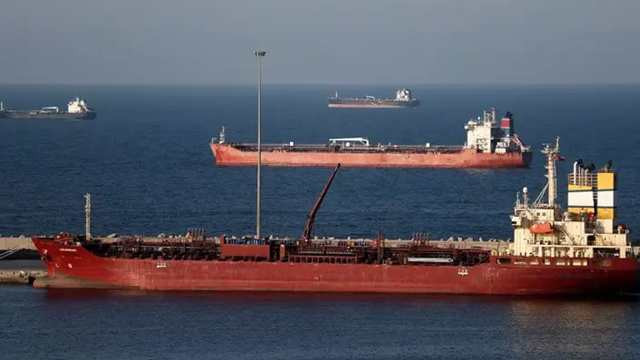
Six countries have expressed readiness to contribute to efforts aimed at ensuring safe maritime navigation through the Strait of Hormuz, which has become nearly inoperative amid the ongoing conflict. They also pledged to take necessary steps to stabilize the global energy market.
The countries — the United Kingdom, France, Germany, Italy, Netherlands, and Japan — outlined their position in a joint statement issued on Thursday.
In the statement, the nations condemned Iran’s attacks on energy infrastructure in Gulf countries and called for an immediate halt. They said they would work with selected energy-producing nations to boost output and stabilize markets.
“We express our readiness to contribute to appropriate efforts to ensure safe passage through the Strait,” the statement said, welcoming commitments from countries already involved in preliminary planning.
The situation escalated after joint military strikes by the United States and Israel on Iran began on February 28. Since then, shipping traffic through the Strait of Hormuz has been severely disrupted. Before the conflict, roughly one-fifth of the world’s oil and liquefied natural gas passed through the route.
Iran has repeatedly stated that the strait remains open but warned that vessels linked to the United States, Israel, and their allies would not be allowed to pass if attacks continue. Tehran has threatened to target any such ships attempting to cross. So far, at least 16 vessels and tankers have reportedly been attacked in the area.
However, some tankers from India, Turkey, and Pakistan have reportedly crossed the strait with Iranian approval since the conflict began.
The disruption has driven global energy prices sharply higher, with crude oil exceeding $100 per barrel—around $40 higher than pre-war levels.
Rising energy costs have increased both domestic and international pressure on U.S. President Donald Trump. Since the beginning of the conflict, he has urged NATO allies and Asian partners to deploy naval forces to the Strait of Hormuz. However, most European members — including the United Kingdom, Germany, France, and Italy — have not responded to these calls.
Among U.S. allies in Asia, Japan and Australia have indicated they will not send ships, while South Korea said it would consider the request.
Trump had also called on China to contribute naval support, but Beijing has not responded. The lack of international backing has reportedly left the U.S. administration frustrated.
In an effort to stabilize markets, the Paris-based International Energy Agency has decided to release 400 million barrels from strategic reserves. Meanwhile, the United States has temporarily lifted restrictions for 30 days on Russian oil shipments at sea.
U.S. Treasury Secretary Scott Bessent said Washington may also ease restrictions on Iranian oil stored at sea to stabilize global supply. He added that the United States could release oil from its own reserves if necessary.
The joint statement welcomed the release of strategic petroleum reserves and reaffirmed the countries’ commitment to working with producers to increase supply and ensure stability in global energy markets.