১২ আশ্বিন ১৪৩৩



Trump’s Upcoming China Visit Seen as Key Moment Amid Global Tensions
05 May 2026 06:05 AM
NEWS DESK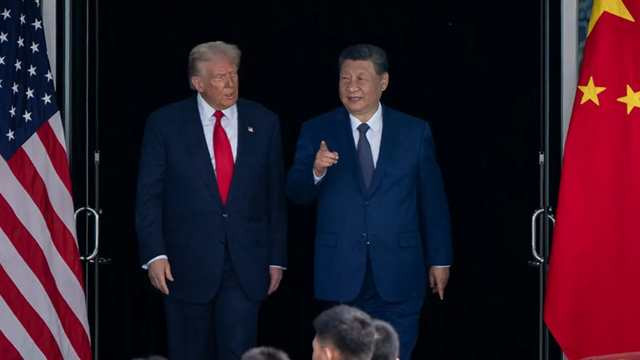
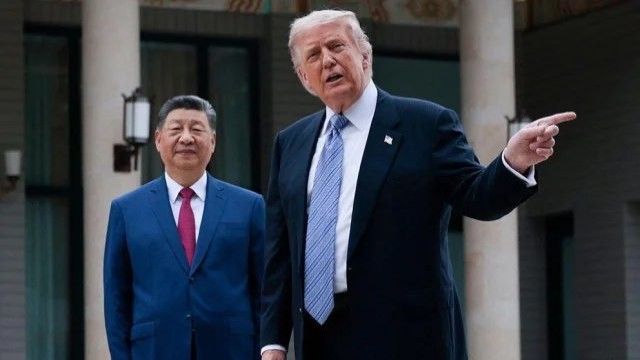
U.S. President Donald Trump is expected to visit China on May 14–15, in a rescheduled trip that comes at a time of heightened global tensions, particularly due to the ongoing conflict involving Iran.
Analysts believe Beijing may hold the upper hand in the rare face-to-face meeting. Chinese President Xi Jinping is reportedly attaching significant importance to the visit, viewing it as an opportunity to strengthen bilateral relations over the long term.
The geopolitical backdrop, especially the prolonged tensions between the United States and Iran, is seen as creating a diplomatic opening for China. Observers suggest Washington’s position has been somewhat weakened, while Beijing is increasingly being viewed by many countries as a stable and reliable alternative global partner.
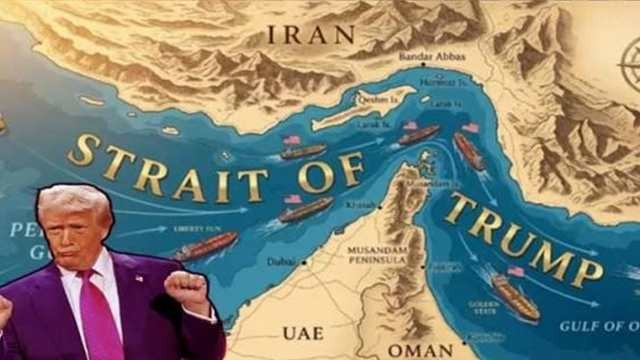
The United States had aimed to limit China’s global influence, including moves targeting allies such as Nicolás Maduro in Venezuela. However, the ongoing Iran conflict—combined with disruptions in the Strait of Hormuz—has complicated those efforts. The situation has also affected global perceptions of U.S. leadership and strained trust among its allies.
Despite strategic rivalry in trade and military domains, economic ties between the United States and China remain deeply interconnected. Experts note that the Iran conflict has added complexity to the goals of the upcoming summit.
China is also proceeding cautiously. While maintaining close ties with Iran, Beijing recognizes the importance of stable relations with Washington. Any renewed U.S. military action after the visit could send negative signals to China’s partners and disrupt diplomatic momentum.
Energy security is another major concern. A prolonged closure of the Strait of Hormuz could significantly impact China’s energy supplies, as roughly one-third of its oil and gas imports pass through the route.
For Trump, the visit carries domestic political significance ahead of upcoming U.S. midterm elections. Securing major economic deals—such as increased Chinese purchases of American agricultural products or aircraft—could strengthen his standing with voters and benefit the Republican Party.
At the same time, China may use the opportunity to press its own strategic priorities. These could include pushing for changes in U.S. policy on Taiwan, easing restrictions on high-tech exports, and lifting sanctions on Chinese companies.
Jörg Wuttke, a former president of the European Union Chamber of Commerce in China, suggested that the Iran conflict has tilted the situation in Beijing’s favor, remarking that the United States is “fighting without winning,” while China is “winning without fighting.” He noted that although China is affected by rising energy prices, it is also benefiting strategically from the situation.
China’s investments in renewable energy have also helped it prepare better for such disruptions. Politically, analysts say Beijing is positioning itself as a stable and mature actor on the global stage.
However, William Klein, who was involved in organizing Trump’s 2017 China visit, cautioned that the conflict has not significantly altered the overall balance of power between the two countries. Core positions on trade and investment remain largely unchanged.
Overall, observers believe the upcoming meeting between Xi and Trump could play a crucial role not only in shaping bilateral relations but also in influencing the future balance of global power.