১০ কার্তিক ১৪৩৩



Turkey and Saudi Arabia Sign Rail Cooperation Deals, Reviving Vision of Historic Hejaz Railway
11 June 2026 04:06 AM
NEWS DESK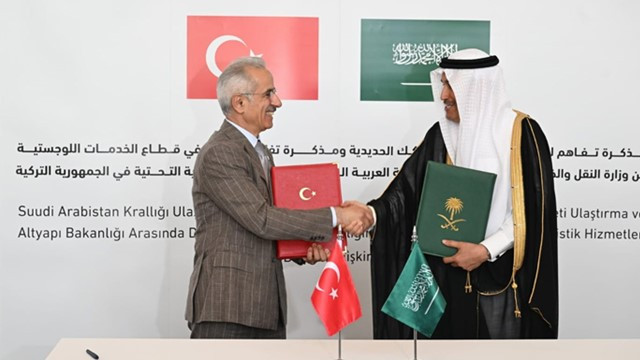
Turkey and Saudi Arabia on Tuesday signed two separate Memorandums of Understanding (MoUs) aimed at strengthening cooperation in railway development and regional connectivity, marking a significant step toward the revival of the historic Hejaz Railway project.
The planned railway network is expected to directly connect Turkey, Syria, Jordan, and Saudi Arabia, creating a major transportation corridor across the region. Turkish Minister of Transport and Infrastructure, Abdulkadir Uraloğlu, traveled to Riyadh to attend the signing ceremony.
Speaking at the event, Uraloğlu stressed the growing importance of uninterrupted trade and logistics flows amid current regional challenges. He said that removing barriers in the transportation sector has become a strategic necessity for ensuring economic stability and regional integration.
The minister also revealed that Turkey is actively working to reactivate transportation routes through Syria, Jordan, and Iraq. According to him, two pilot freight train journeys from Turkey to Saudi Arabia via Iraq have already been completed successfully, demonstrating the viability of the route.
Turkey has long advocated for the restoration of the historic Hejaz Railway, which once linked Istanbul with the holy cities of the Arabian Peninsula. Under the new vision, the railway would eventually be extended to Oman and the Indian Ocean, creating an alternative trade corridor that bypasses the strategically sensitive Strait of Hormuz.
If completed, the project could transform Turkey into a major transit hub connecting the Gulf region and Europe, while also strengthening its role as a logistics and energy corridor.
Earlier in April, Turkey, Syria, and Jordan signed a trilateral agreement covering cooperation in road, rail, maritime, and air transportation. The agreement includes infrastructure development, technical standardization, improved multimodal integration, and greater participation from the private sector.
Legacy of the Hejaz Railway
The Hejaz Railway was one of the most ambitious projects of Abdul Hamid II, the Ottoman Sultan who launched its construction in 1900. His vision was to establish a direct rail connection between Istanbul and Mecca, facilitating travel and strengthening ties across the empire.
Named after the Hejaz region, home to Islam’s two holiest cities—Mecca and Medina—the railway was financed through donations from Muslims around the world, alongside mandatory contributions in some areas. The project advanced rapidly, with the main line extending from Istanbul through Damascus to Medina. A branch line also connected the network to the port city of Haifa on the Mediterranean coast.
Potential Economic and Religious Impact
Analysts believe that the revival of the Hejaz Railway could significantly boost regional trade, tourism, and religious travel. By improving connectivity among key Middle Eastern countries, the project could facilitate faster movement of goods and passengers while supporting broader economic integration across the region.
The initiative is also expected to enhance pilgrimage travel and strengthen commercial links between the Middle East, Europe, and potentially South Asia through future extensions of the rail network.